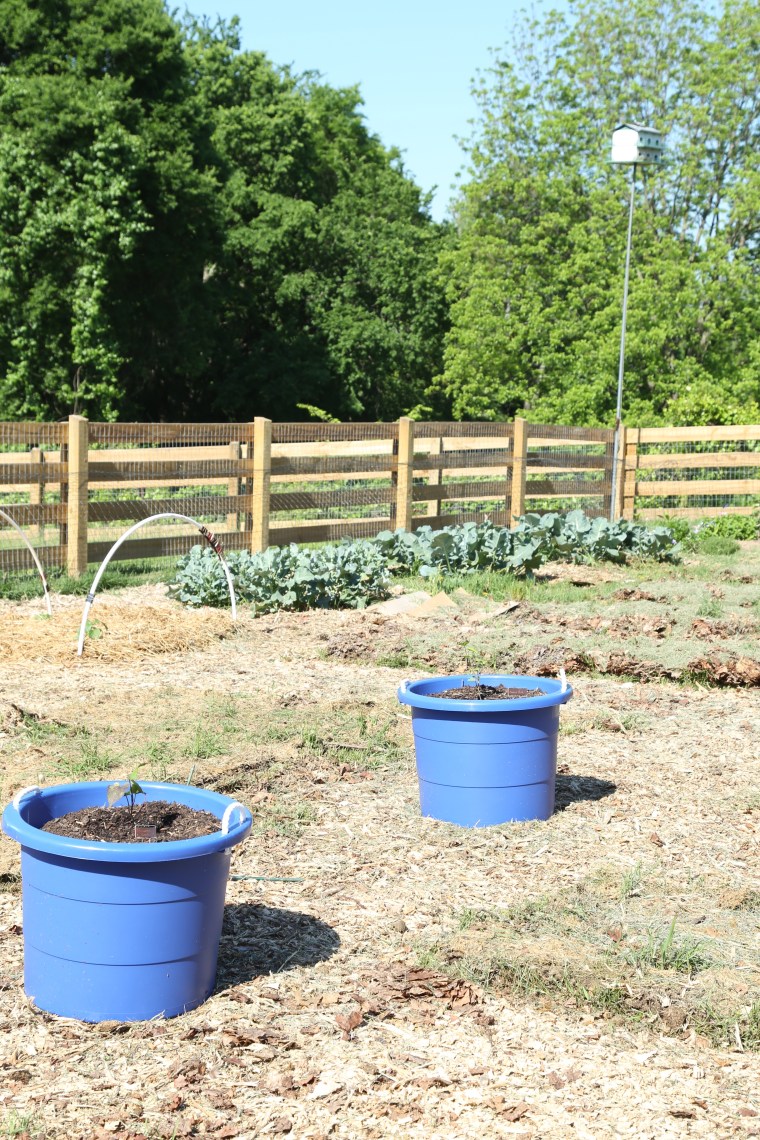
 We have been hard at work building our new garden. Actually, we have been engaged in a war with bermuda grass and right now, we are barely hanging on to the lead in this battle! Despite using lots of cardboard and wood chips, this stuff finds a way to break out and sprout up everywhere. Luckily, there is no shortage of cardboard or wood chips as well as my stubborn determination!
Because of the density of the grass layer, we have turned to a favorite method of building beds and have begun layering materials on top of it rather than break our backs and knees with digging and sifting. The blue tubs each have a sweet potato plant and we are hoping that we will have good luck with this method. In the empty beds, I have layered horse manure, leaves and grass clippings and I will cover the area with cardboard and use purchased organic soil to grow in. Eventually, the layers will compost and the cardboard will disintegrate leaving us with a nutrient rich layer of soil to garden in. Patience is key here because this will take at least a year to accomplish and if all goes well, it will also smother out the bermuda grass in the beds. Otherwise, I will have to dig it out because using something like glyphosate is not an option-read this to see just how bad the stuff is!
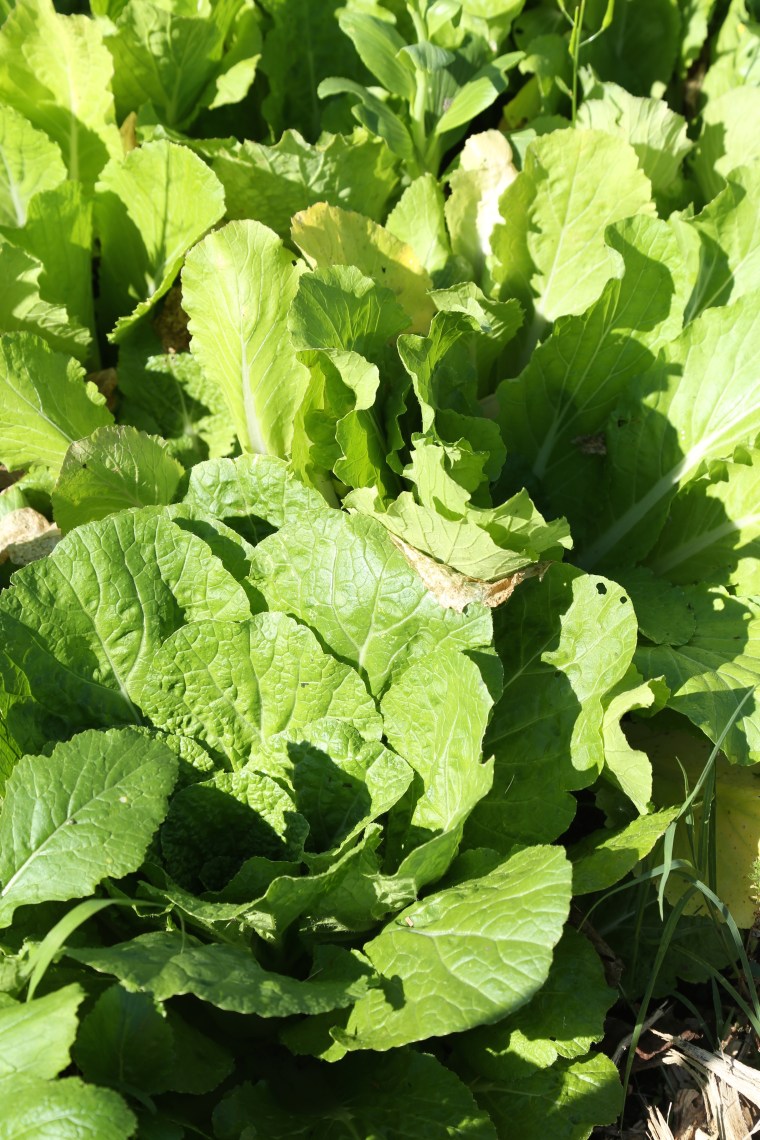 In late winter, I started a few beds by broadcasting a bunch of seeds over them. In this bed, the Chinese Cabbages are doing really well and we should be harvesting them soon!
 These Tokyo Market turnips are a favorite of ours and we are harvesting them about once a week. They are wonderful when roasted and the greens are tender enough that you just have to saute them, no boiling necessary!
 In a nearby bed, I threw in lettuce seeds, obviously too many but, we have had tons of lettuce to eat and to share.
 We purchased about a dozen broccoli plants and we have been eating it roasted and in salads. Did you know that you can harvest those large leaves and eat them too? We have done this on many occasions making the individual plants twice as productive. Use the heads and some of the stems raw in salads and slaws or roast the florets with a little oil and your favorite spice blend. The leaves should be blanched first to soften them, then saute them with a little garlic, you won’t regret it.
 Who doesn’t love surprises? Especially if it is a raspberry bush-we have found two so far!
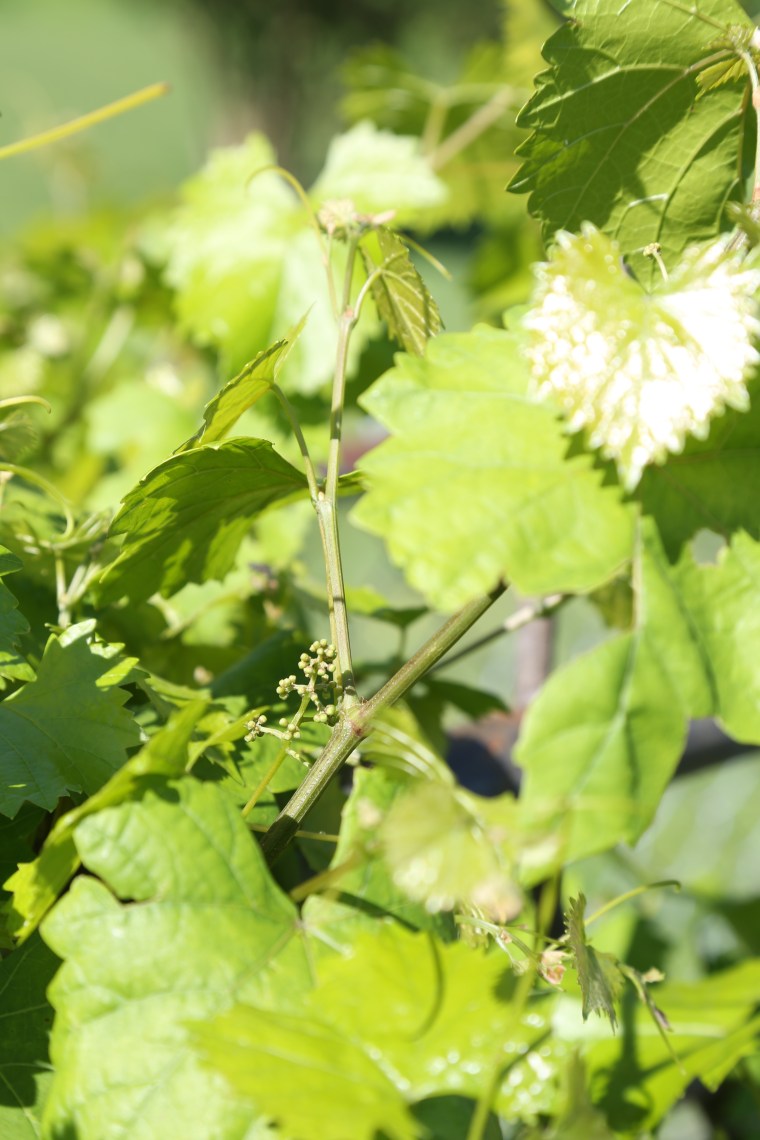 Of course, we learned of the muscadines from a neighbor and earlier this spring, we gave them a hard pruning to alleviate some of the weight and shading on the vines. New vines have erupted and we are starting to see the promise of fruits.
 Beyond the garden is an area where I am hoping to develop a meadow for bees and butterflies. Right now, it is a tangle of weeds and in the middle, is what looks like a dandelion on steroids. Goatsbeard, trogopogon dubius, is a type of salsify and is considered a weed.
 It was disappointing to learn that it is an introduced species and not considered a beneficial addition to the landscape. But that seed head!
 Then there is this guy, Hunky Dory the Americauna rooster we got in the latest brood. He is a handsome fellow but a noisy one as well. We gave him that name because he will crow to let us know that something is not up to his standards. Not enough pellets; crow. No water; crow. Roosting bar fell down; crow. Clock strikes 3am; crow…
 Not only is it against the law, we do not want fertilized eggs or more chickens so the handsome fellow will be rehomed as soon as we can find a suitable situation.
To keep up with the happenings here, sign up for emails. Happy Gardening!
 It’s salad season in my garden. Well, specifically, it is lettuce season. Living in the south means that lettuce is a cool weather crop while all the other parts of a salad, like tomatoes or cucumbers, are warm weather crops. Luckily, it is always fresh egg season in the chicken coop!
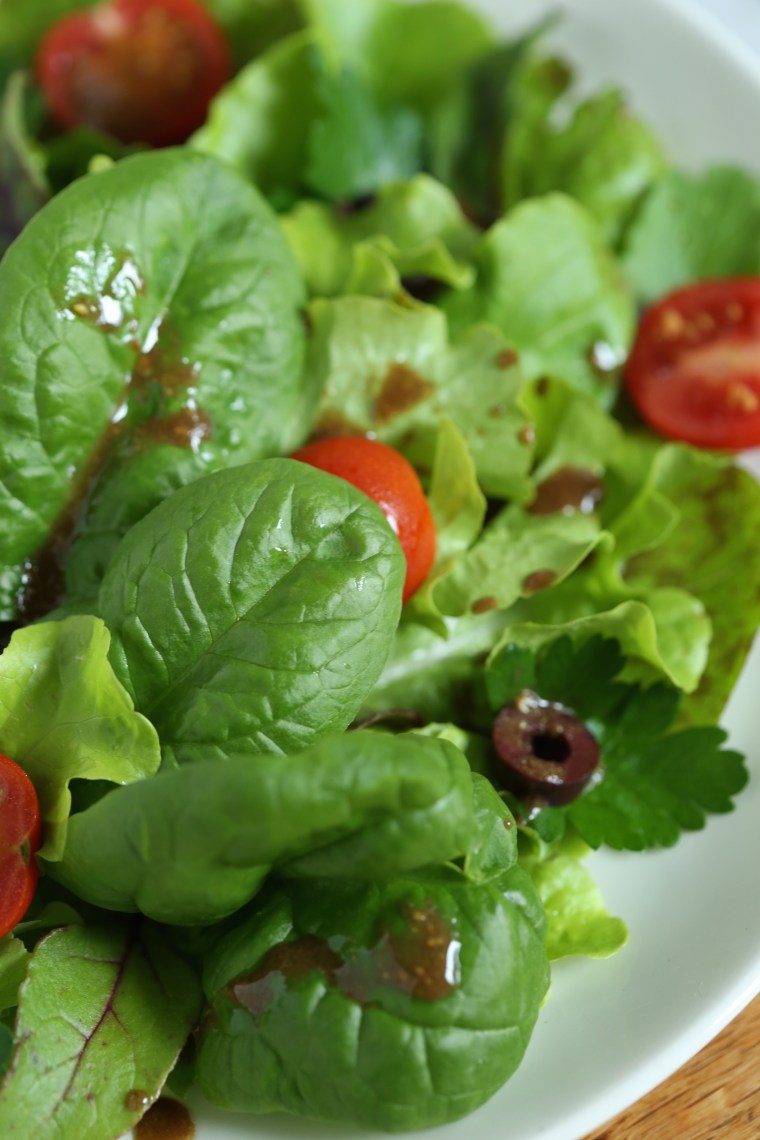 There are a dozen different salad greens in the garden right now. In the salad above are Bloomsdale spinach, baby beet greens, parsley, salad bowl leaf lettuce, buttercrunch, forellenschluss and arugula.
 Simply dressed with vinaigrette, garnished with cherry tomatoes, cucumbers and some kalamata olives and served with the paper; my idea of lunch.


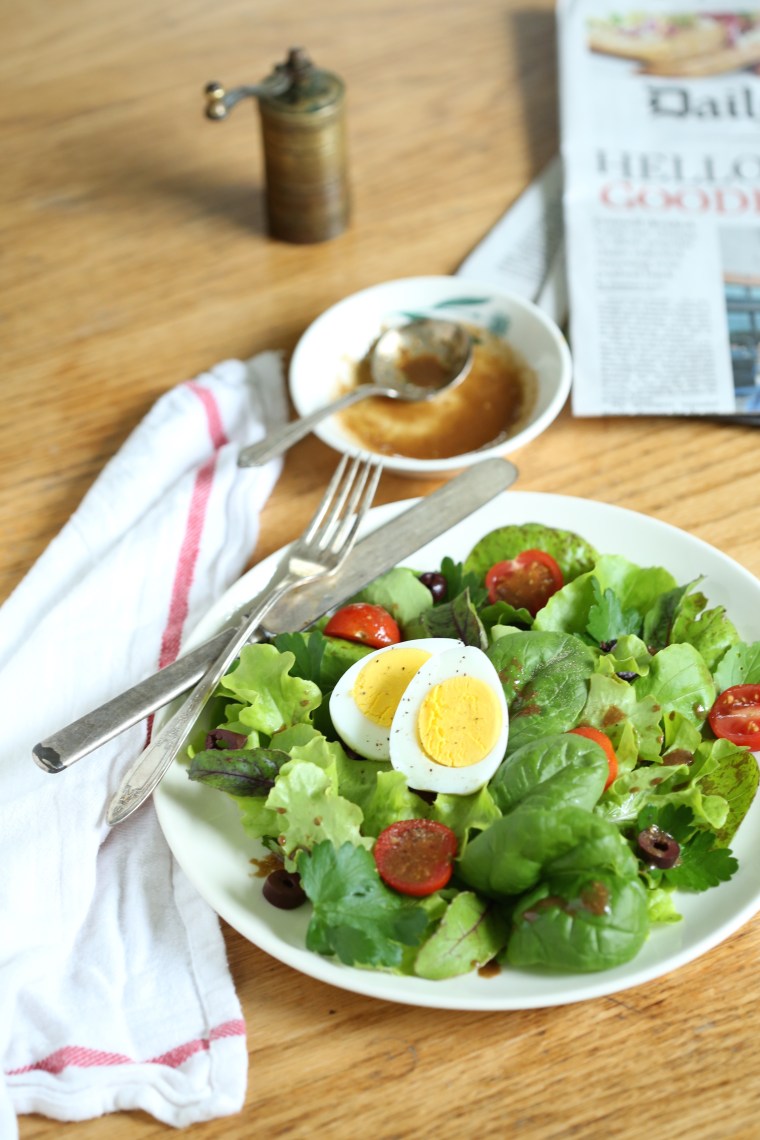 Of course, adding a hard boiled egg from one of our golden laced wyandotte hens and a slice of bread makes it a light, refreshing meal perfect for any season.
 This part of the garden does not get much direct sunlight and once the crape myrtle, which is not in the photo, leafs out completely, it gets little filtered light as well. Last spring I spent a week amending the soil and adding shade tolerant perennials to the bed. This year, nearly all of them came back except for a bleeding heart plant and they have truly filled the space.
 The iris actually gets enough light because it blooms before the crape myrtle creates shade. Also in bloom are azaleas, dianthus and phlox.
 Remind me to tell you the story of the gnome sometime… He is watching over the sunny part of the garden.
 Love the little blossoms on the strawberry begonia.
 While I have put a lot of work into the perennial beds near the front door of the house, none of that compares to the amount of work the vegetable garden has taken. We began in late fall of 2014 by composting the leaves that fell from our trees with grass clippings from the lawn and bags of coffee grounds from Starbucks. In spring of 2015, I topped each of the beds with that compost and placed 45 bales of straw on the beds in the garden. Throughout the year, I attempted to grow vegetables in the bales with out a ton of success. In early winter, when the bales began to tip like drunkards, I broke them down and scattered the straw on top of the compost along with more coffee, ground egg shells, compost (that includes litter from our hens) and a topping of purchased garden soil.
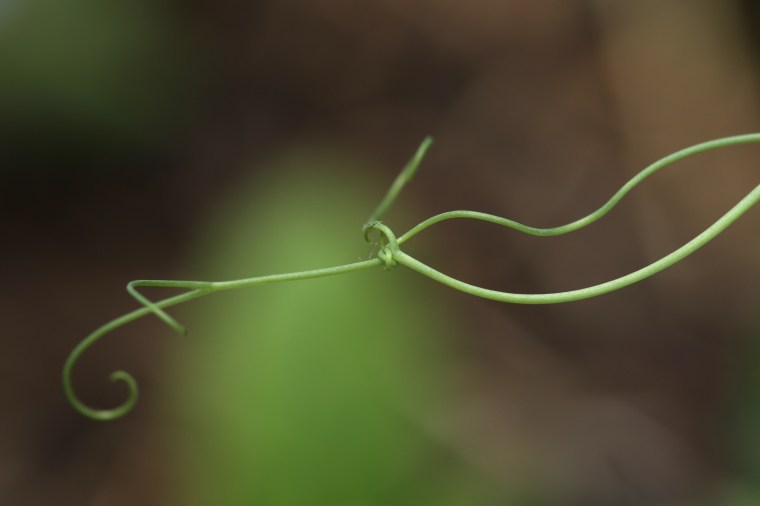 Peas were slow to get going but have finally come on board. Gotta love the tendrils and the way they tie themselves into knots.
 Everybody loves surprise potatoes! Must have missed one when I harvested them last fall. not sure what it is but I am thinking it is most likely a yukon gold but the alternative is red norland; either way works for me!
 A lot of firsts this year. Ailsa Craig onions along with some radishes from an 8 year old package of seeds I found lurking in the box! We have lots of mushrooms coming up in the beds. Did you know that is a good thing? There is a relationship between plants and mushrooms and when some combinations are grown together, you can actually improve your yields-this pairing was random and not of my doing but my fingers are crossed that it helps. Want to know more about it, pick up a copy of
  Chinese cabbage is doing so well-and I grew this from seeds!
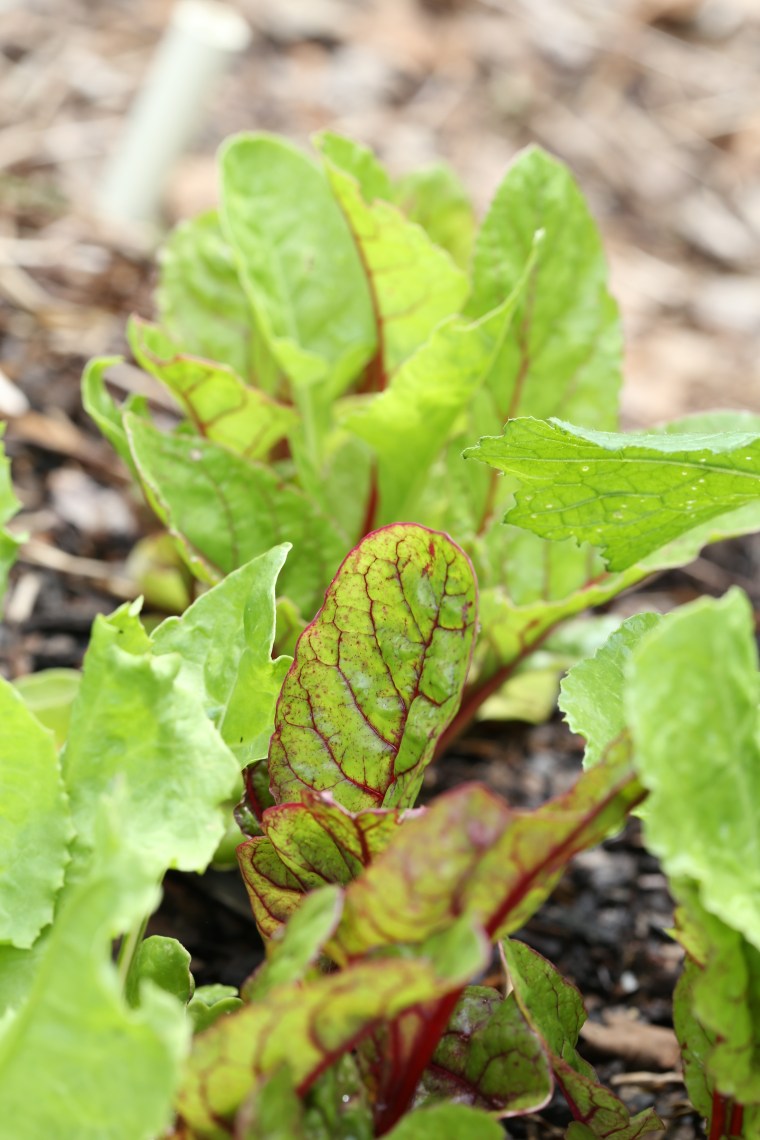 The way chard glows when backlit never gets old.
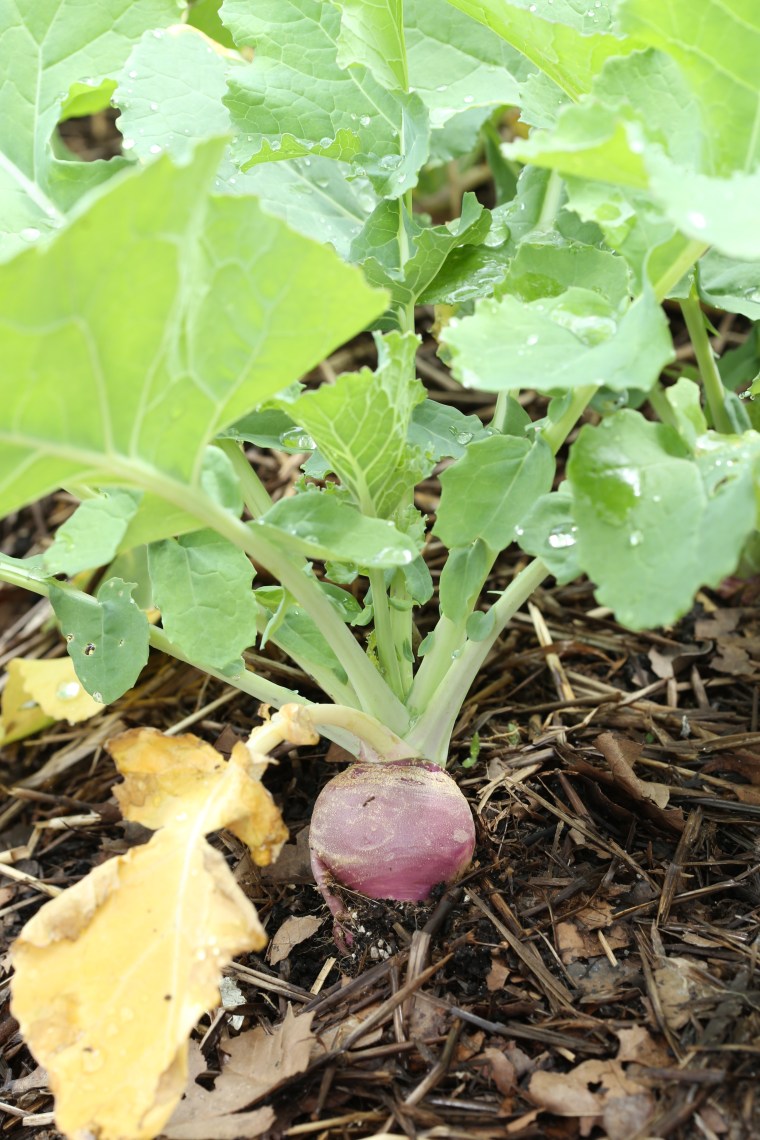 These rutabegas are taking off in the garden. If you grow them, be sure to eat the greens too! Cook them as you would collards and the plant will be doing double duty.
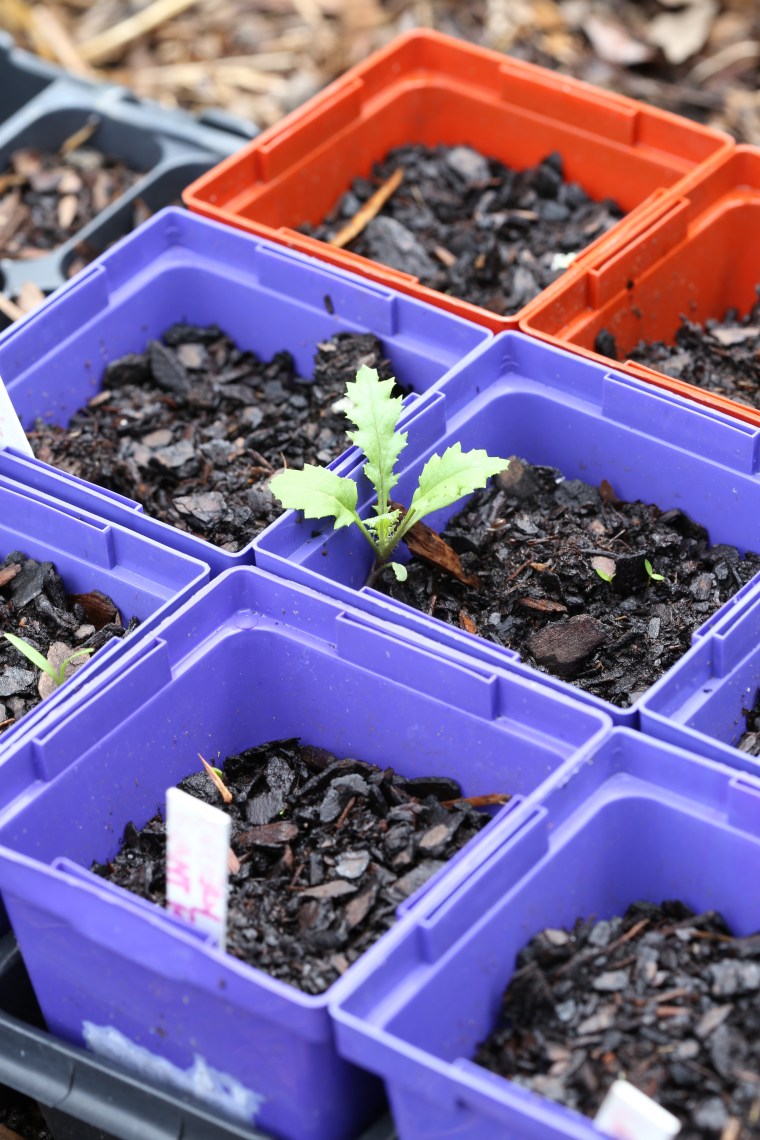
 Another of the firsts in our garden, salsify. Have no idea if we will enjoy it but I saw some plants in Colonial Williamsburg in the garden the the local master gardeners maintain and decided it was pretty and it needed to live in my garden too!
 Speaking of pretty, these radicchio starts have been stealing the show for a while now. We pull a few leaves off from the bottom and are letting the heads fill out.
 More starts, celery is taking its time.
 will garden for cake