patience is a virtue; words to garden by

IMG_3716
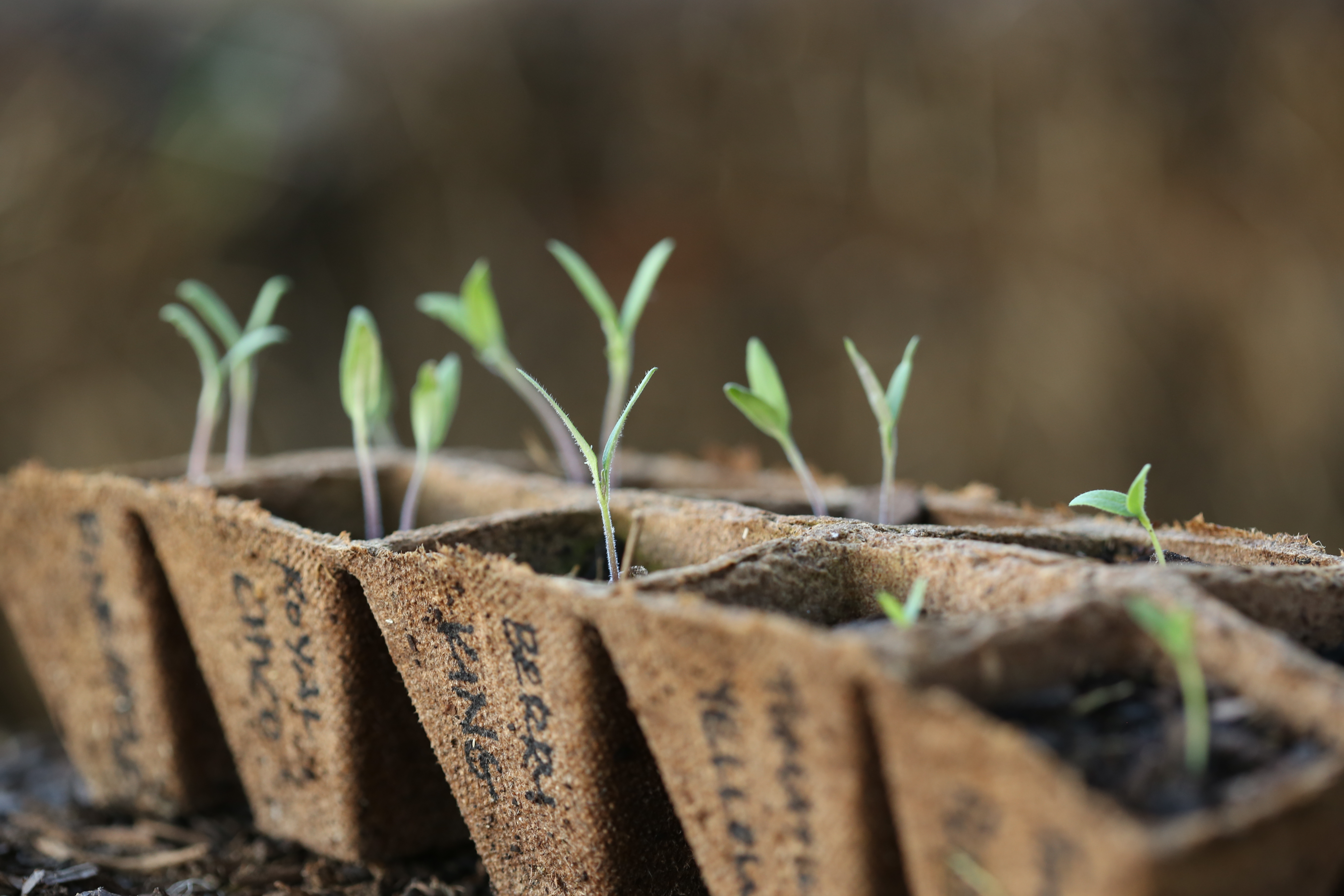
tomato seedlings for my garden

Last year, in January, I attended my very first blogging conference.  While this isn’t big news or even an interesting tidbit about my life worth sharing, it is an important event to me personally.  You see, at this very event, I was lucky to forge a friendship with Melissa of Corbin in the Dell.  We already knew of each other since we traveled in the same foodie circle in Nashville and would occasionally run into each other at Nashville Food Bloggers events but it wasn’t until that weekend that we realized just how much we had in common and how much fun we could have together (remind me to tell you about our pranks at the 2015 conference.)

IMG_3717
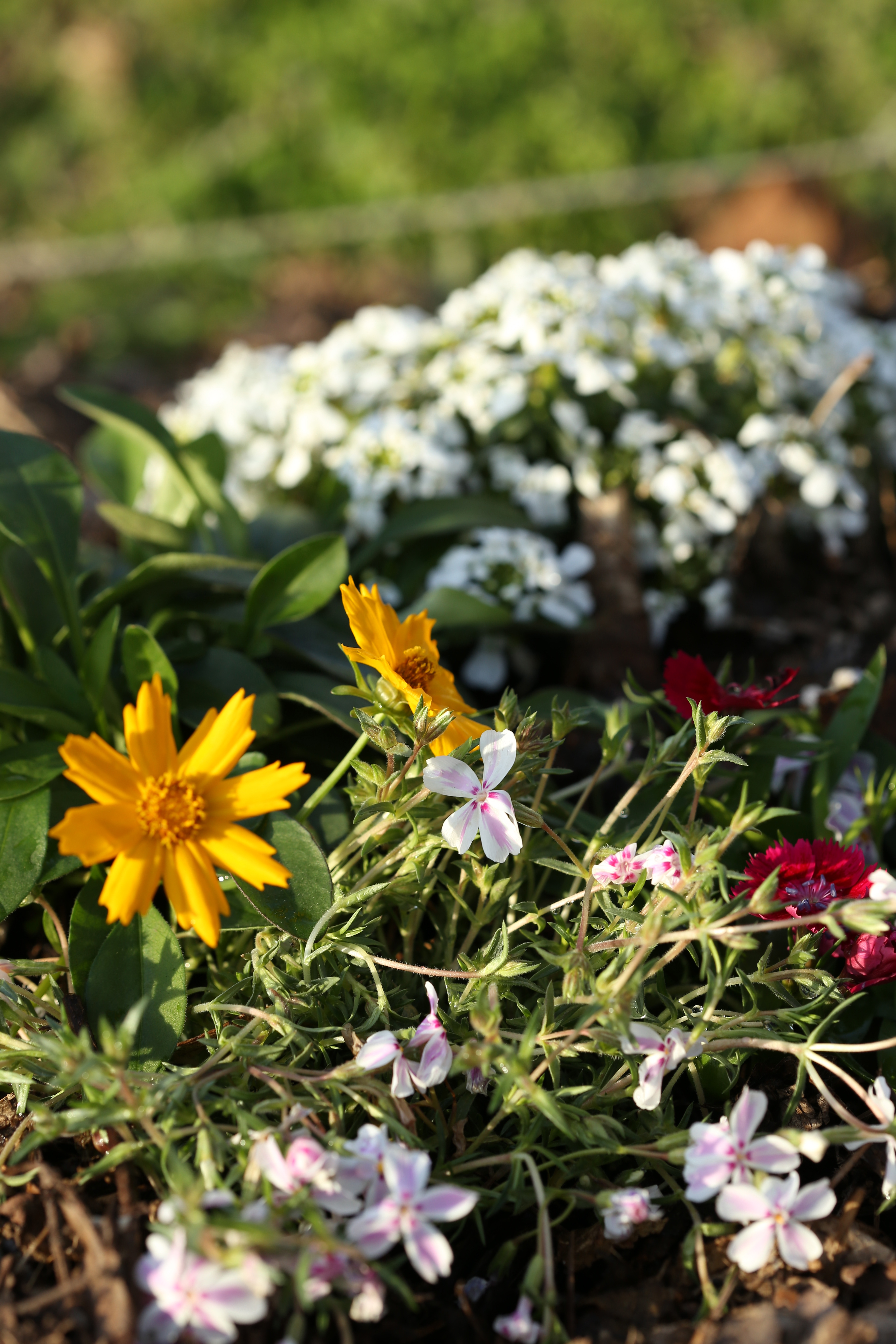
beneficial insects are attracted to the garden by planting flowers and with any luck, these zinnias and marigolds will draw many.


During many conversations, we would discuss gardening, something we have in common and it led to the decision to collaborate on a project.  While we both practice organic methods in the garden, our approaches could not be more different.  Melissa is a true farm raised, country girl, and as you may know, I am your typical city girl who grew up in an apartment with no garden to play in.  Then my husband’s job led us to Williamsburg; this put a serious wrinkle in our plans to work on a book together but luckily, with the use of email and telephones, we came up with a plan; we would attempt to grow the same plants and let our personal gardening styles be the focus as well as our inspiration for the project.

IMG_3719
before we left Nashville, I took cuttings from our fig tree and rooted them over the winter.


During a recent phone conversation, we were both speaking of the unseasonably cool weather and how it was hindering our ability to get growing.  Temperatures fluctuating wildly, rain that hasn’t fallen and plants that failed to thrive are just a few things we discussed.  Gardeners play a waiting game, always.  We wait for the weather to be right.  We wait for seeds to germinate.  We wait, and hope for rain.  And even when things go perfectly as planned, we still wait for fruit to ripen, vegetables to mature and so on.

IMG_3721
not all of the plants in my straw bale garden are from seeds, these are chard transplants and I can actually harvest some leaves now.


We won’t even talk about compost because if you think waiting on vegetables is tough, properly cured compost can take as long as a year.  In the world of gardening, one must be patient, very, very, patient.  Since Melissa and I are collaborating on this, we will post updates on our blogs simultaneously, please be sure to check back and see our progress.  To read Melissa’s post, follow this link

IMG_3714
when Melissa and I saw each other in February, she gave me seeds that her husband saved from their garden and here is an okra plant that just sprouted.


news from the garden

IMG_3377

Things are taking shape in the garden.  Our lasagna bed is slowly filling with herbs and flowers and above is a photo of a selection of flowers planted to attract beneficial insects.    The straw bales are coming along, a bit slower than I hoped but things are growing.


IMG_3573

The bigger news is the addition of honeybees to our backyard.  We were beekeepers when we lived in Nashville and when we packed up to move to Williamsburg, we brought all of our woodenware and equipment.  One of the first things we did when we unpacked was to join the Colonial Beekeepers Association.


IMG_3575

One of the members of the association arranged to pick up packages with marked queens from Mann Lake.  After picking up our bees, Darry put them into the hive and they began foraging immediately.


IMG_3579

A hive inspection revealed that they are gathering nectar as well.  The white spot in each of the cells is actually the reflection of sunlight on the surface of the nectar curing and once it is ready, the bees will cap each cell.


IMG_3581

As we ventured further into the hive, we noticed lots of activity and randomly placed cells between two frames that is commonly referred to as brace comb.


IMG_3582

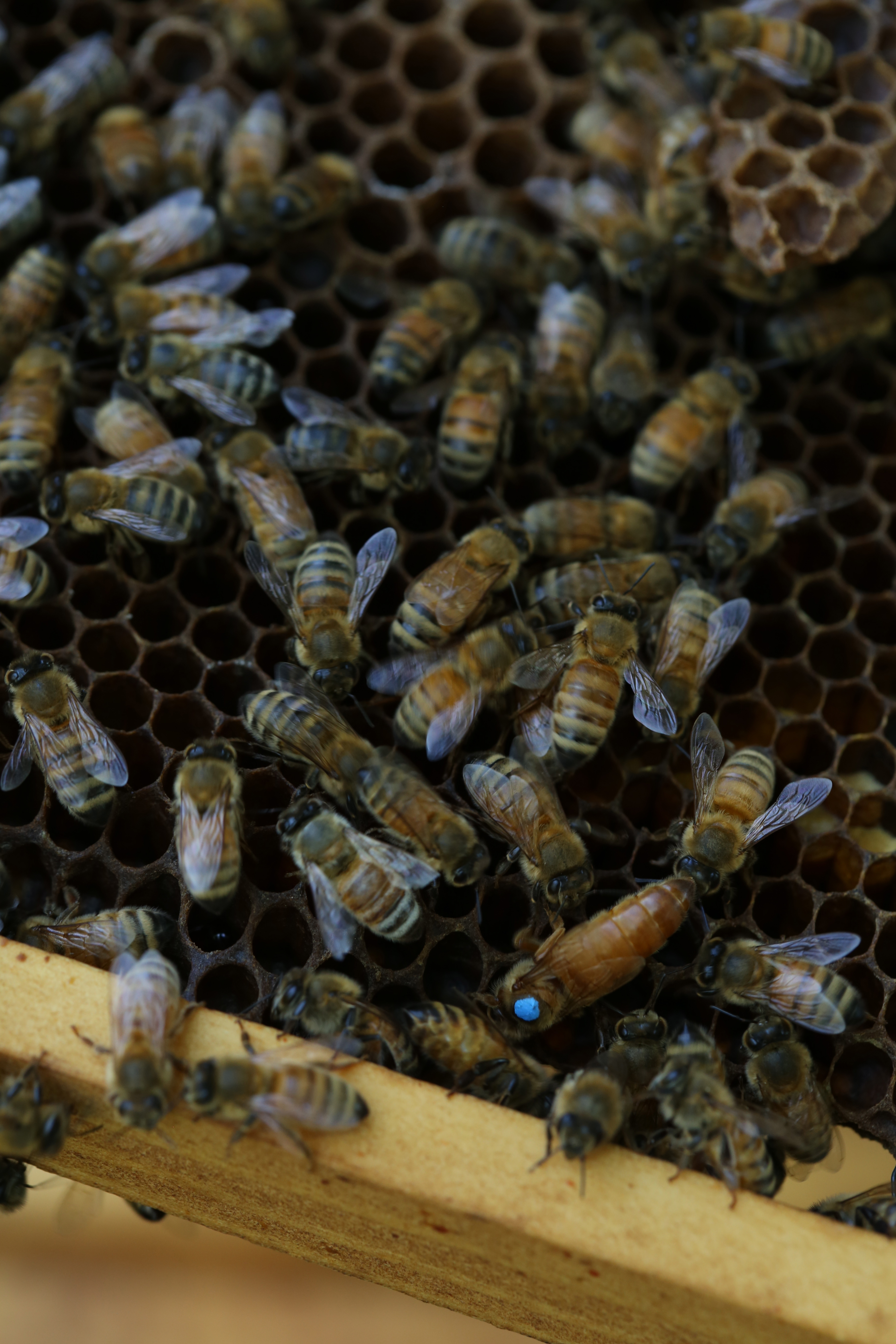
As we pulled frames out, we found capped brood and larvae and of course, her majesty, the queen.  Can’t figure out which one she is-that big blue dot should make it obvious.


IMG_3583

The activity level here is typical of a hive and it quickly explains the origins of the phrase, “busy as a bee” because they never stop moving.


IMG_3588

Even though they are actively foraging, they still need a little help from us.  Because they have nothing stored in the hive, we give them sugar syrup so that they can build a reserve of syrup to feed themselves.  The first year is a critical time for a new colony and taking honey from them is not an option this year.  If all goes well, we will be able to harvest honey in year two.


IMG_3589

The bees are big on building brace comb and once again, they built some in the feeder box.


IMG_3605

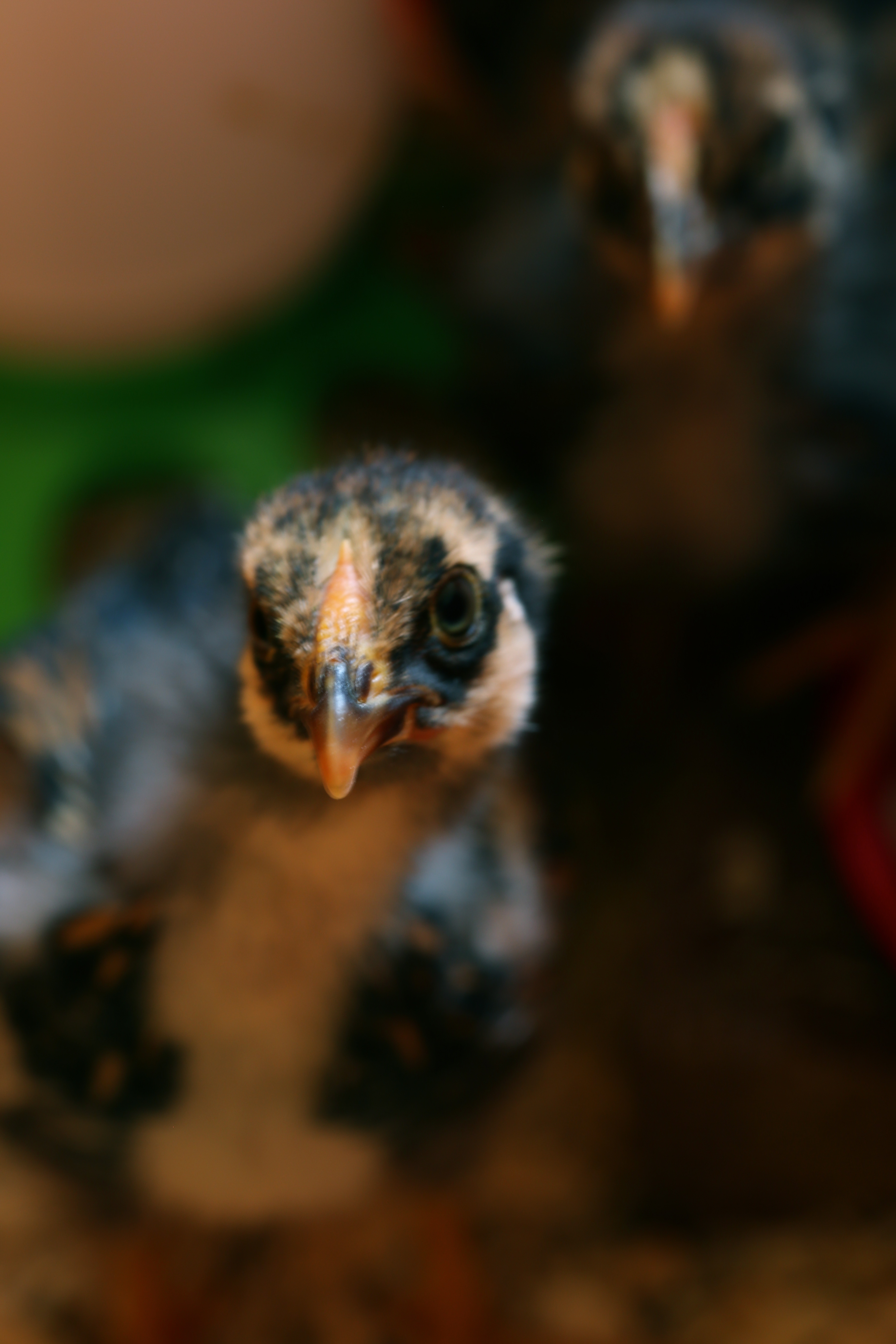
Bees aren’t the only new addition to our garden.  We also added a flock of chickens.  Golden Laced Wyandottes are beautiful birds and we are excited to have them.


IMG_3607

These girls are growing quickly and they are beginning to get their adult feathers.


IMG_3620

And they are also sprouting tail feathers and the beginning of their combs.  When they are living outdoors in the coop, we plan to use the chickens to help us control small hive beetles in the bee hive.


IMG_3621Check back to see the progress of our girls, meaning the chickens and the bees!

how does my garden grow?

IMG_3226

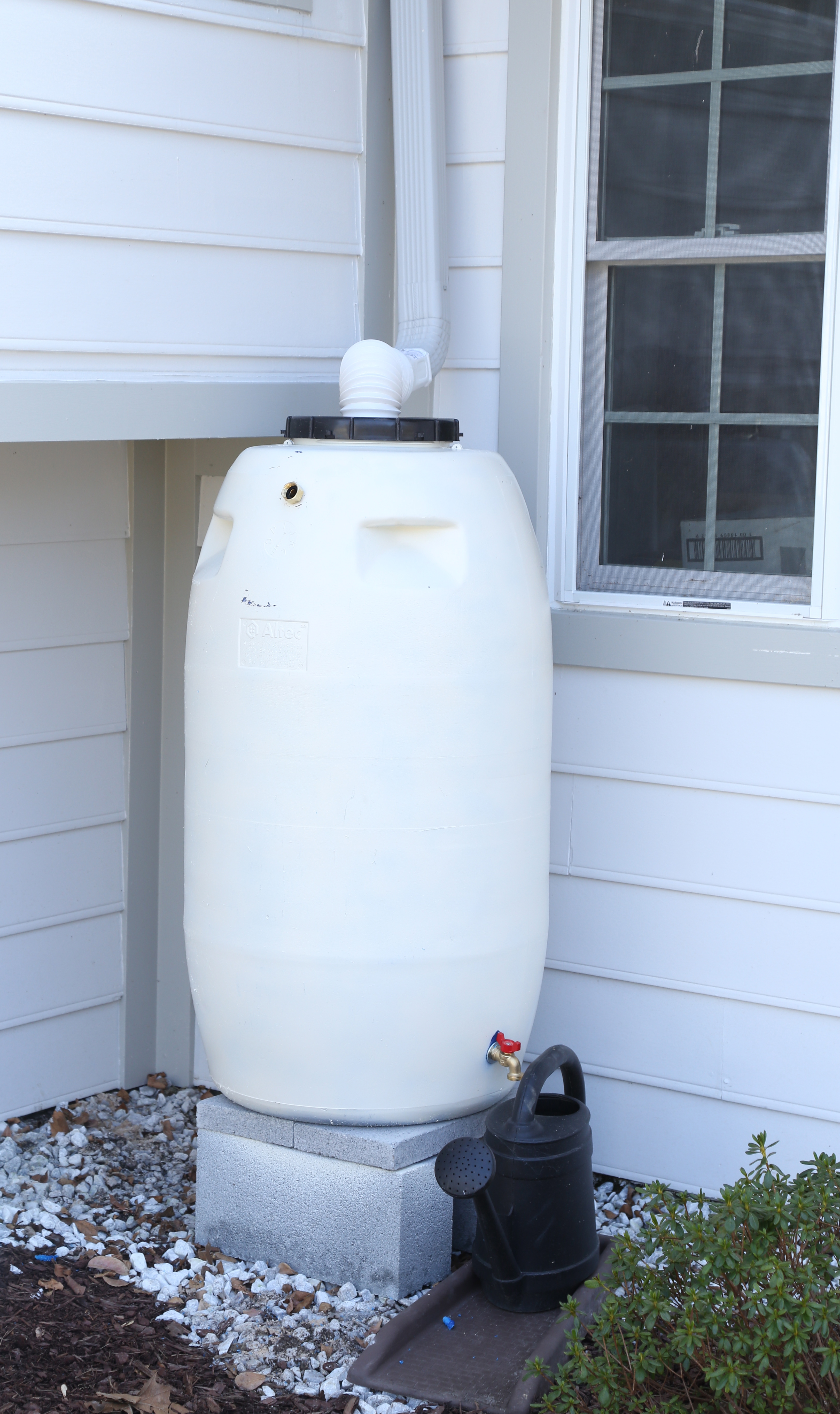
The big news in our garden this week is our new rain barrel.  Months ago, I purchased a used barrel from the Habitat store.  It was bright blue and made of food grade plastic which made it safe for use in the garden.  We just needed to install the spigot and an overflow valve then attach it to the gutter pipe.  Having a bright blue barrel in the garden isn’t so bad if the garden is in the back yard but our garden is in the front yard and bright blue was not an option for me.  It was just a little too blue for my liking and without shrubs to hide it, I painted it white.  It now blends in pretty well.  The best part about this barrel was the screw on top.  We wouldn’t need to make a screen cover to keep mosquitoes out.  The hose is attached to the lid and the gutter so that the mosquitoes shouldn’t be able to get in and breed.


IMG_3225

Darry sealed the hose in place with outdoor grade silicon caulk and it held up during the 1 1/2 inches of rain we had last week.


IMG_3220

Here is the barrel up on blocks in the corner of our front yard.  It is so exciting to have water available; water that is not only chlorine free but free of charge!


IMG_3191

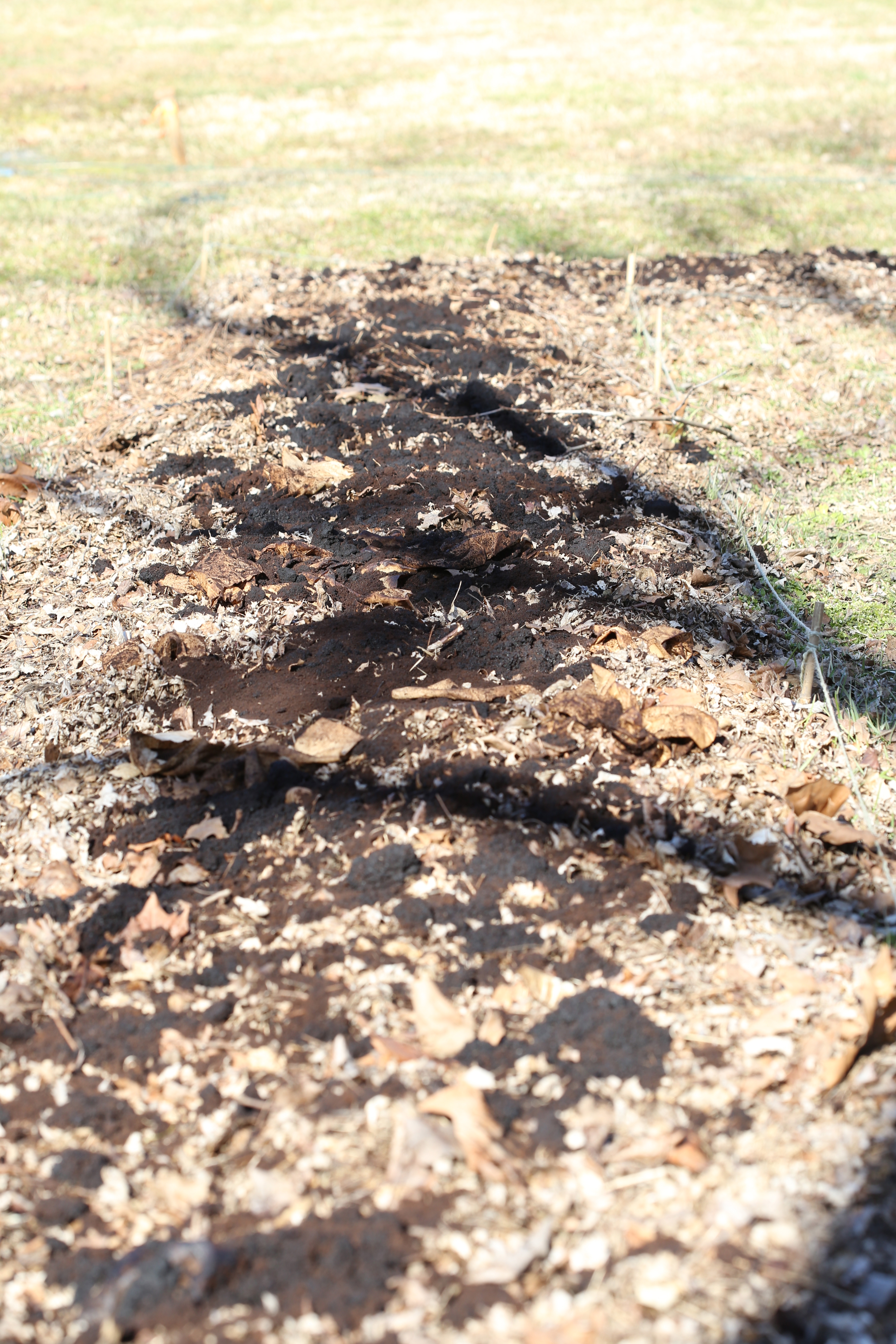
When I ordered 24 straw bales, I thought it would fill most of the beds.  How wrong I was!  Until I can get another load of bales, I am hoping to get some of the leaf filled beds moving along and on this one, I added a bunch of coffee grinds to give it a boost.


IMG_3194The process of straw bale gardening starts off with curing the bales by fertilizing them with a nitrogen supplement.  The feeding is alternated with watering for 10 days.  Once this part of the process is completed, a rest period of a week is given to the bales before they are planted with seedlings or a shallow soil mixture can be spread over the bales to plant seeds.  These bales hold a lot of water which means the plants will have a better chance of surviving dry spells.

IMG_3197Bales actually have a top and a bottom in the world of straw bale gardening.  The cut side is considered the top while the folded side is placed on the bottom.  The cut straw stalks are hollow and when placed right side up, they can fill with water.  The other advantage of placing them with the cut side up, it is easier to insert the plants into the bale on this side.  For more information on this method of gardening, visit the website.

In the meantime, visit here to see the progress of the bales in our garden as well as the arrival of our bees and hens.

making the most of your morning cuppa; starbucks grounds for gardens program

IMG_2018

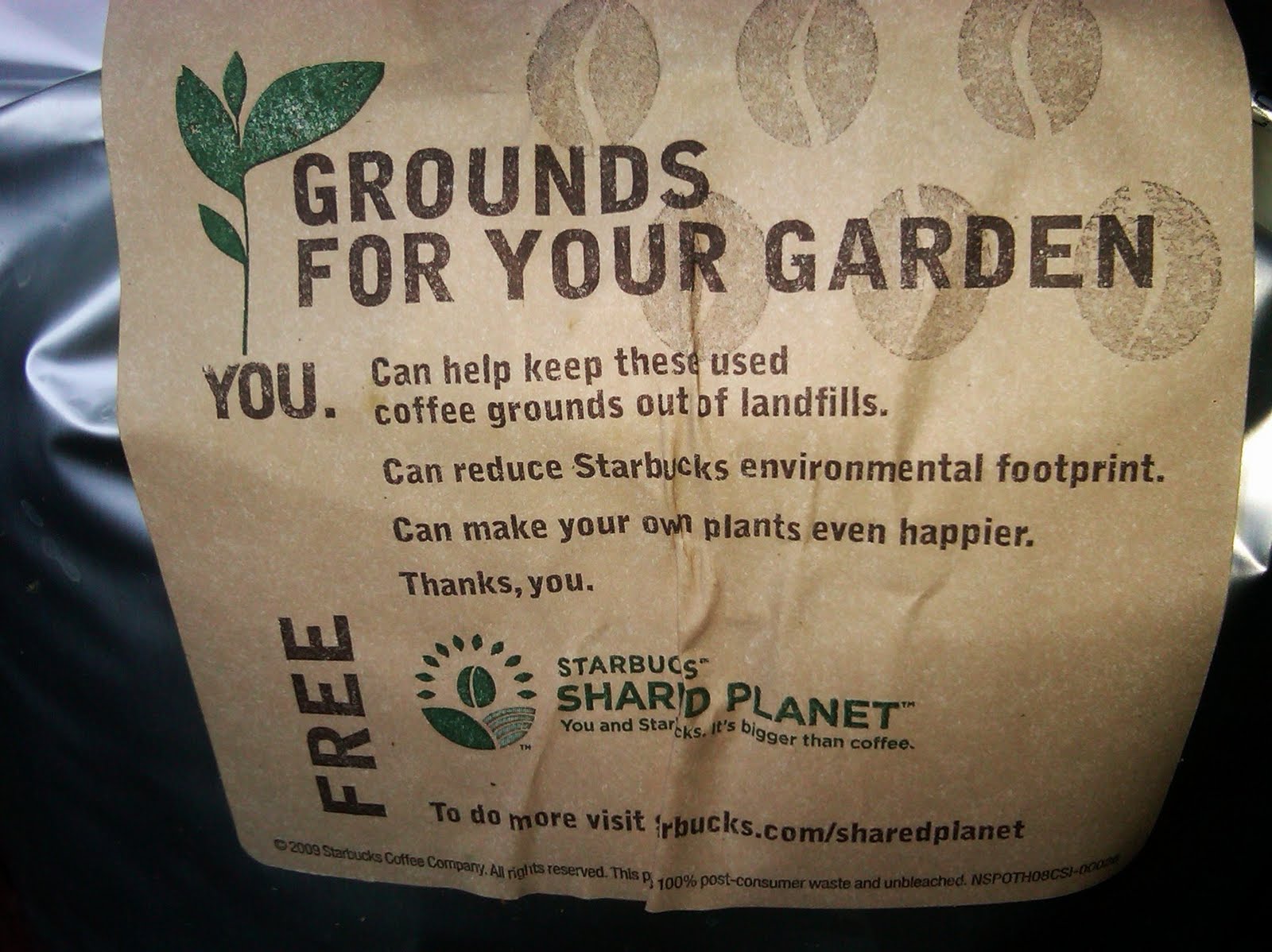
Our passion for gardening is no secret.  We joined the Master Gardener program in 2008 and became certified members in Nashville.  We quickly began transforming our yard into a small farm by adding fruit trees, herb plants, multiple vegetable beds and a beehive and all along, we were composting everything we could to help enrich the soil as well as improve the heavy clay structure.  It was a labor of love and at times, coffee.  Okay, I know that did not make sense, a labor of coffee???  Yes, coffee.  We discovered that a Starbucks store near our home in Nashville would segregate the coffee grinds and place them in a dedicated bin for composting.  Anyone who wanted to go around to the back of the store could take as many bags as they needed and then use them in the garden to help improve the soil.  It was a true win-win because as your garden flourished, Starbucks reduced the amount of trash from the store being land filled.  Then almost as suddenly as we discovered the source of grounds, the program was eliminated.  There was never a real explanation, we can only suspect that the property management did not care for the number of people rummaging through the trash in search of black gold.

Starbucks-Grounds-for-Your-Garden1

Needless to say, we were disappointed and moved on to other sources of compostable items to support our growing need in the yard at home.  Over the years, we would see the occasional poster advertising that grounds were available while we were out and about in the Nashville area.  However, when we would question the employees about the actual availability, we were often met with blank stares, a clueless response or simply the declaration, “oh we don’t really do that here.”  On a rare occasion, an employee would inform us that if we wanted to, we could bring them a bucket, they would happily save them but we would have to come and get them that day or they would be thrown away along with the bucket.  Again, we moved on, it just did not seem like we could make it work without having to make multiple trips and phone calls and so on.

Then in September 2014, we relocated to Williamsburg, VA.  It was a bit traumatic to leave our garden behind.  All the work, the plants, the compost…Reality hit hard when we realized we would have to start all over again.  Even worse was the realization that our new yard, while smaller, square in shape and flatter (a big plus in our book) was built on solid clay.  The soil is so compacted that a small amount of rain turns the yard into a squishy mess that leaves you feeling as if you are walking on wet sponges.  There was no way we could build beds in this soil without massive amounts of soil amendments.  That was not only going to be a back-breaking amount of work, it was going to be expensive.  We quickly realized we would have to do what we could with what we already had; truckloads of leaves from the trees in the yard.  To prepare the beds, we first mulched the leaves by running them over with the lawn mower.  Bag by bag, we formed piles of leaves all over the front yard so that they could begin the process of composting.  Our front yard quickly began looking like it was covered in graves.  We actually considered making a few fake headstones for Halloween and I told more than one person that this was what we did to the neighbors we didn’t like…

However, leaves alone are not enough and despite the fact that we had more than 20 large piles of leaves, once fully composted, they would not provide enough material to work with.  To supplement the leaves, I began composting our kitchen scraps but in all honesty, two people do not generate that much to work with.  While out shopping one morning, we stopped at Starbucks for a cup of coffee and lo and behold, a bucket with bags of coffee grounds greeted us as we stood in line waiting to place our order.  Could it be that the program was not dead after all????  Apparently, it is not and we have been going back to this particular store on a regular basis for grounds.  Sometimes, they are in the mylar bag that the beans are shipped in but mostly, they are in 13 gallon trash bags.  The employees are quite used to gardeners coming in to retrieve the grounds and they have a small trash pail dedicated for the collection of used grounds.   Now that we have a source, we make 3 or 4 trips to the store each week to pick up bags and at this point, I estimate we have used about 300 pounds of them in our beds and compost pile.

label

And because I am not stupid, I expect some people to criticize me for using non-organic materials in my gardens.  Go ahead.  There is always someone waiting to rain on your parade and I am sure I will hear a few negative comments about this.  If not because of the conventional growing methods used in the coffee then it will be because I am giving a massive company free publicity.  So let me just say this, I am not getting paid to say this, no where in this article to I mention a love of their coffee, just the availability of free used coffee grinds.  As someone who is currently unemployed, I cannot afford to buy the amendments needed for the soil in our yard and I have to use what I can get for free.  We are not the only ones in town collecting the grounds.  On more than one occasion, another gardener has beat us to the store and we have walked away empty-handed which ultimately means that hundreds and hundreds of pounds of coffee grounds are going to be composted rather than land filled; that in itself is a big plus for the environment.  
IMG_2025

The plus of coffee grounds added to compost is simple, they add nitrogen and nothing helps heat up a compost pile faster than nitrogen.  It doesn’t stop there, they also add much-needed minerals that can help your garden grow.  Sunset magazine did some research on using Starbucks coffee grounds in a garden and they actually had them tested.  It seems that adding them to the garden really is a good thing as long as they do not make up more than 35% of the soil content.  If you would like to read the article, here is a link.  
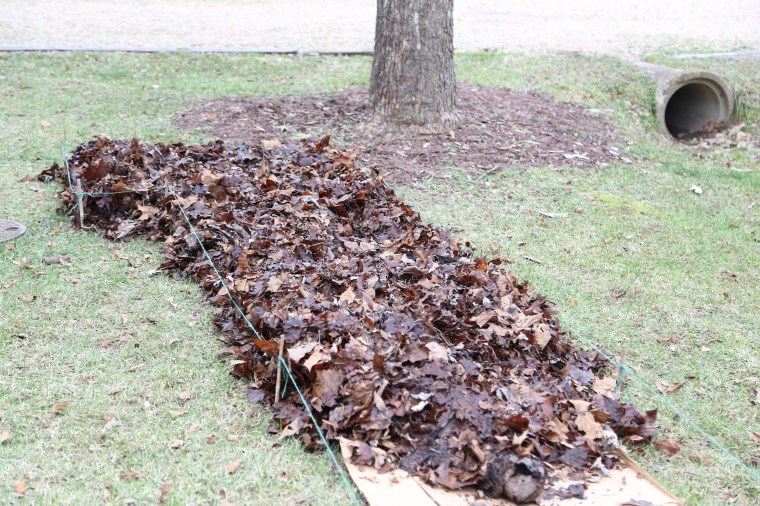
IMG_2409Since our garden is being built in our front yard, we are putting down sheets of cardboard to kill the lawn first.  The coffee is being spread over the cardboard and then it is topped off with a thick layer of leaves.  This first year, we will be using straw bales to garden in because the leaves are not yet composted.  To do this, we will simply place the bales on top of the leaves.  As the seasons progress, the leaves will continue to break down and by the time winter returns, the straw bales will also begin to degrade.  At that time, we will simply cut the cords off the bales, spread the rotting straw over the leaves and continue the process of layering on top of the clay soil. Eventually, we will have some beautiful compost that we can turn into the clay to lighten the structure and allow for better drainage.

Right now, we are planning for the arrival of our hens.  We ordered our pullets this week and will be purchasing the coop and the run next week.  Once the girls have matured enough to live outside, they will not only provide us with eggs, they will be supplying the garden with fresh manure.  But because the best compost has a variety of materials in it, coffee grounds from Starbucks will still be collected and added.  So, do your garden some good, ask your local coffeehouse  (whichever one you choose) to give you grounds for your garden and get out there and grow something!

If you are the least bit interested, read about Starbucks plan for sustainability and global responsibility here.  If nothing else, it is food for thought and perhaps the start of some meaningful conversations.
why I garden

IMG_2511

Why do I garden?  There are so many reasons to have a garden but in truth, mine are selfish.  Mostly, I do it because I want to control my food.  To eat only vegetables and fruits that are grown naturally and freshly picked is my goal and growing them myself accomplishes this.  Having the desired varieties of produce at an affordable price is also part of the equation.


IMG_2577

Ego, mainly my own, is also a factor.  There is nothing more satisfying than taking a stroll out to the garden in my yard and filling a basket with vegetables I have grown.  It takes setting goals to a new level.  It can change your entire outlook on life.  As a gardener you must be an optimist; you must believe that simply putting a seed into soil and watering it will result in a plant you can pick and eat.


IMG_2181You must also be able to see the beauty in what is merely a plant.  To surround myself with beauty and to indulge in it and the sense of calm and serenity it bestows upon me.  It is the act of feeding the soul along with the body and the ego that keeps me in the garden.  Plants do not love or hate, they simply thrive or not.  As gardeners, we do the loving; we provide the plant what it needs and then we eat it and the plant in turn gives us what we need to thrive.

IMG_0118

Gardening has given me hope for my future; if I plant it, it may one day give me fruit.  Personally, I am dreaming of peaches and figs.


IMG_0195To reach down into the soil and pull up fully formed vegetables that I can roast or pickle is just part of why I garden.  To have enough to share with friends and neighbors is another reason and I always plant more than I need.

IMG_0298With the words of Mahatma Gandhi, “to forget how to dig the earth and tend the soil is to forget ourselves,”  I continue gardening so that I do not forget that “to plant a garden is to believe in tomorrow,” Audrey Hepburn.  And those are just some of the reasons why I garden.

A new home means a new garden, step one; building a compost corral

Have I mentioned how much I hated to leave my garden when we moved?  It has been a difficult transition from fresh picked, home grown produce to just store bought.  On occasion, we pick things up at the farmers market but it is only open on Saturdays which means we end up at the store frequently, especially if we cannot find what we need at the market.  
For now, I spend my time watching the light in the yard and mapping out the beds for next year.  But as any good gardener knows, a garden is only as good as the soil in the beds and a good bed has lots of organic humus to feed the soil.  The first step in my plan was to build a corral for composting.  On one of my many recent trips to Lowe’s (no they do not pay me to say these things about them, and they have given me nothing!)  I picked up some easy to install no dig fence panels.  
True to their name, the support rods did not need to be dug in.  The only tool I needed was a hammer.  The fence went together pretty quickly and then it was time to start my first pile.
Since I was not removing the lawn first, I applied a heavy layer of wet newspaper first.  To start the first layer, I took a shovel full of soil from the area and sprinkled it on the paper.  To get a compost pile going, you need the micro organisms present to inoculate it.  One shovel full should do it.  To this I added a bucket of kitchen scraps-no meat or dairy products, a bunch of small sticks and a nice even layer of dried leaves.  The final step was to sprinkle another shovel full of soil over the top and to give it a good soak.  
As we work in the yard, we add leaves, sticks and grass clippings and in the kitchen, we keep a bucket to collect things like egg shells, coffee grounds and fruit and vegetable scraps which get added every time the bucket is full.  As we add the fresh, green ingredients, we make an effort to add lots of dried or brown ingredients.  It will take a good 6 months for this to be ready so hopefully, we will be able to get a good hot pile going!  
Be sure to check back and see the progress of my garden project.  It is my plan to convert most of our front yard to a garden with an area for a bee hive and if we are lucky, a chicken coop and a few hens. 

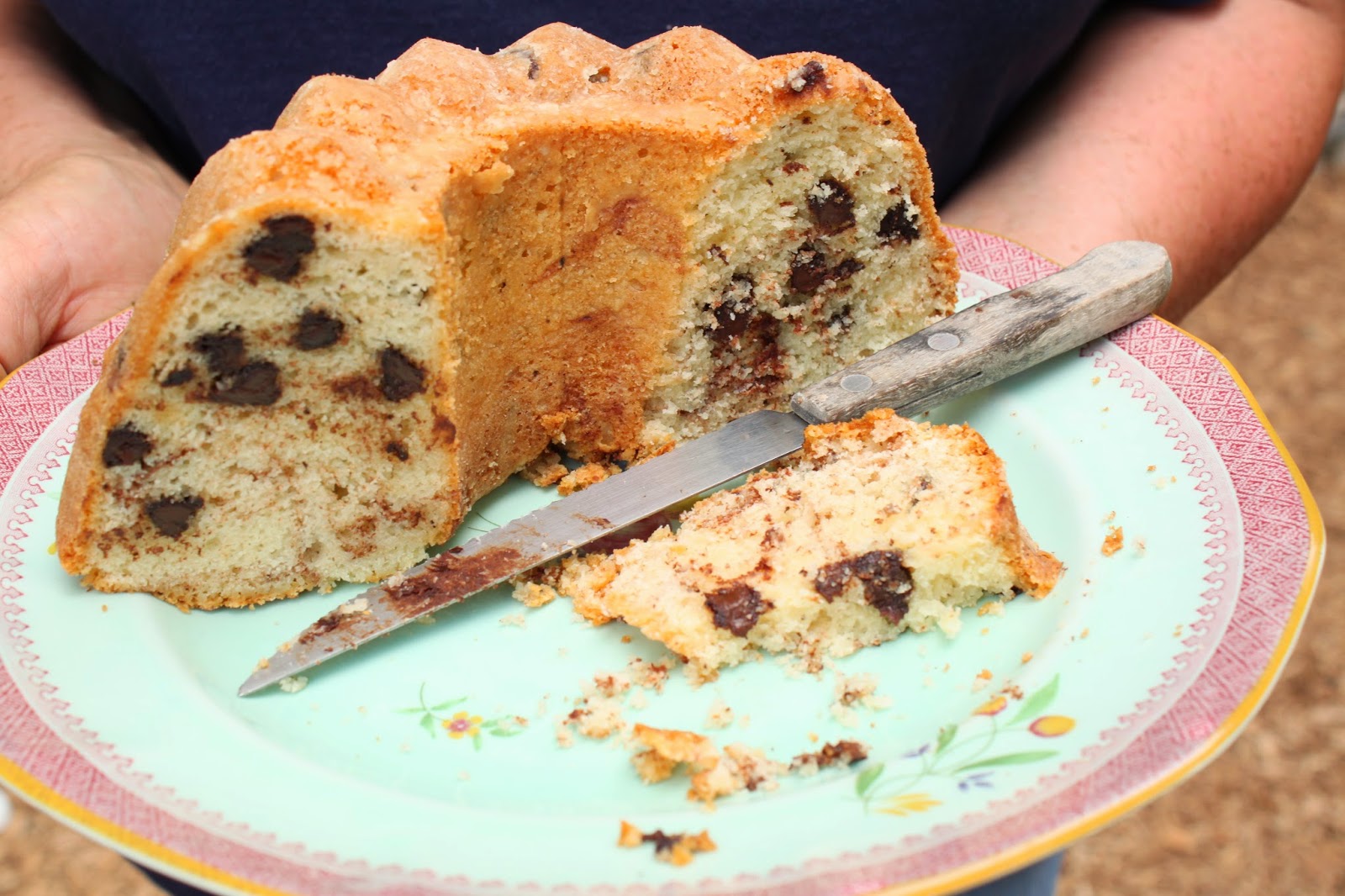
sunday mornings are perfect for gardening.  there is a certain sense of peace that the demonstration garden has early in the day which i find comforting.  today i went out to the garden with a chocolate chip bundt cake and spent a few hours weeding the beds and chatting with my fellow master gardeners. as master gardeners, we spend time preparing gardens for tours and on occasion,  those gardens are our own.  it is a chance to share our most prized possession with fellow gardeners.  this afternoon, i had the pleasure of visiting the garden of one of my fellow demonstration garden volunteers.

to read the whole post, visit my new blog page

roasted radishes with wilted greens

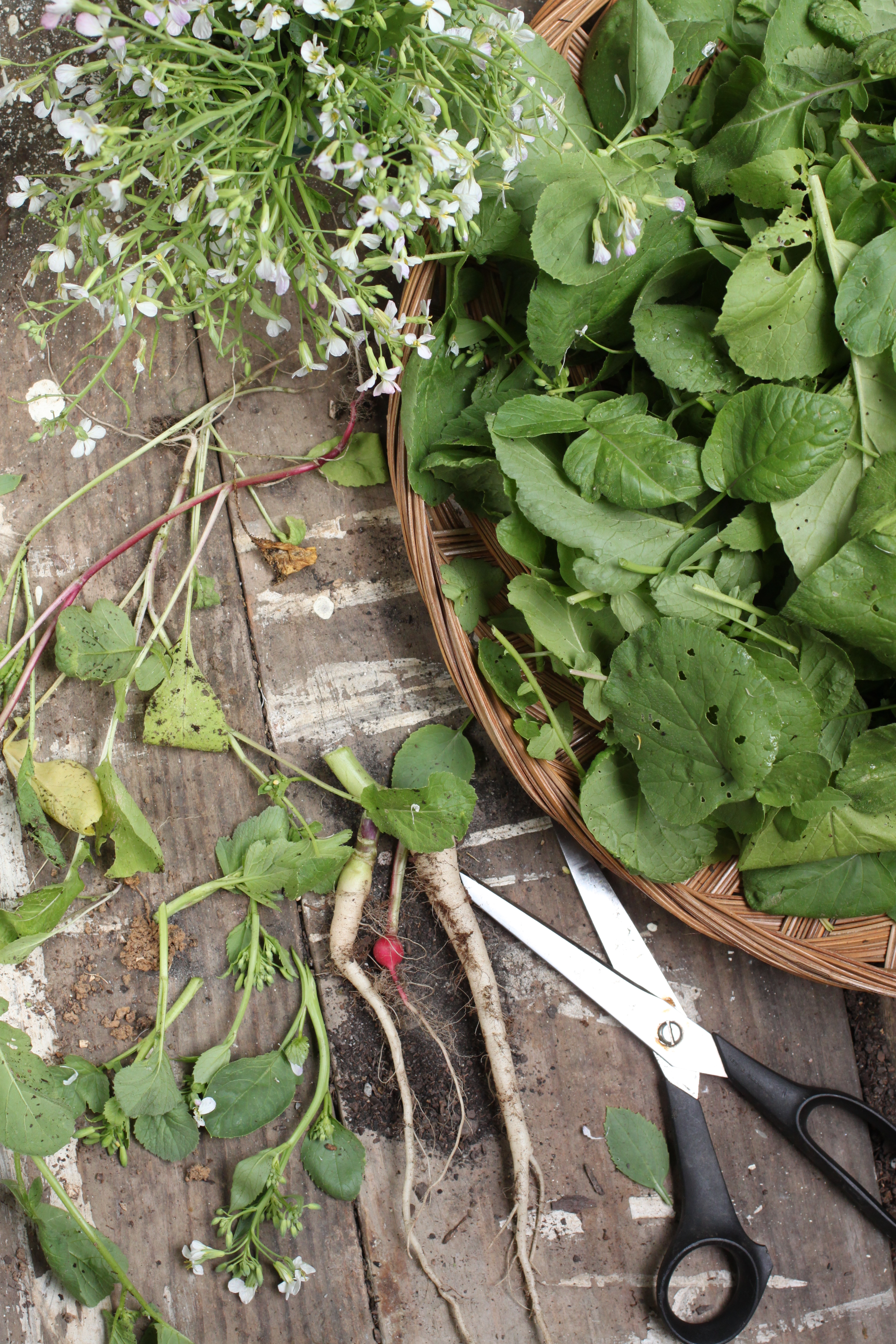
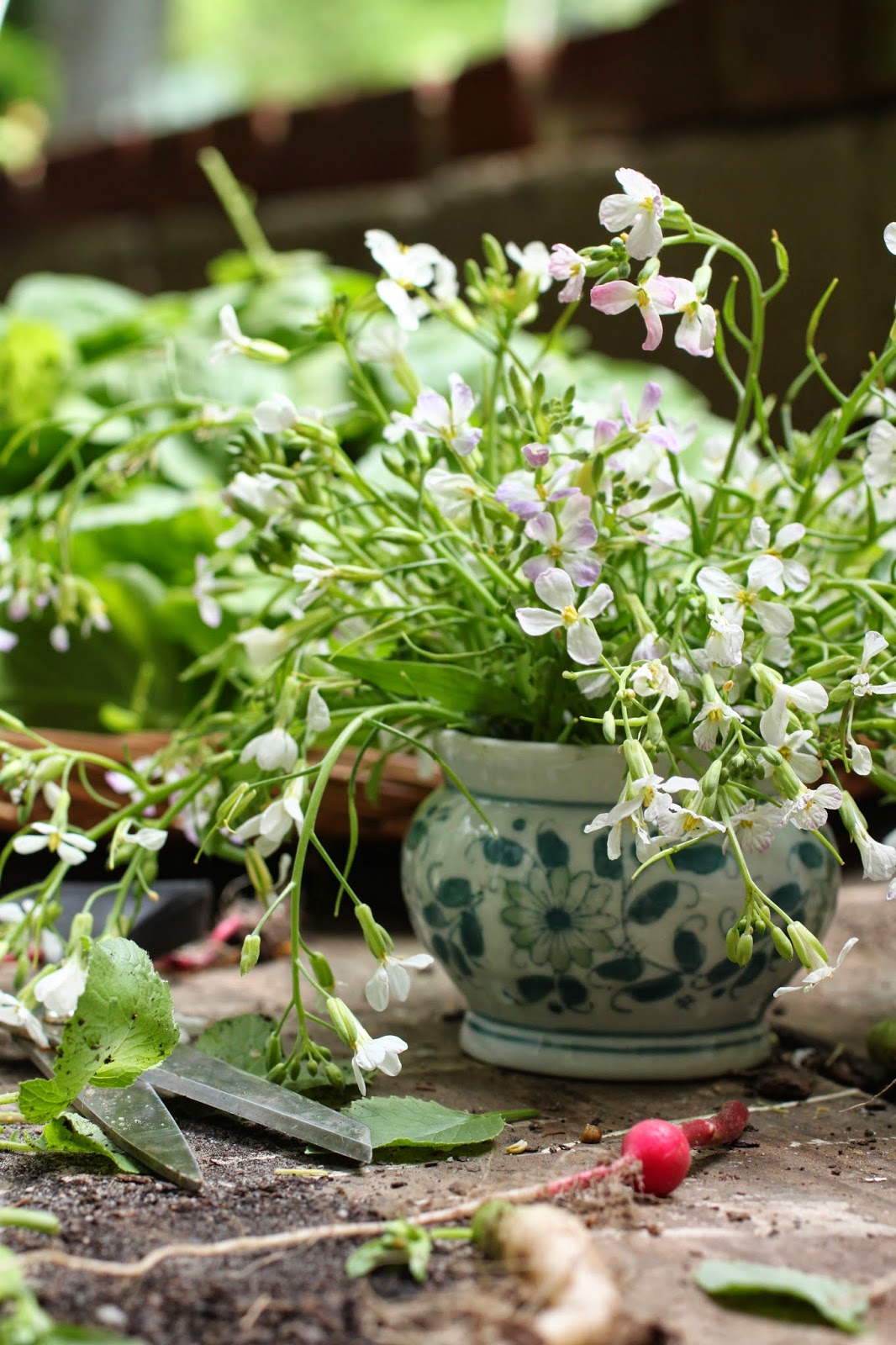
spring gardening means lots of radishes.  the familiar red spheres are so pretty and colorful; a perfect accent or garnish.  radishes are enjoying a moment now and there is no shortage of shapes or colors available to dress up your salad or hors d’oeurves .  the entire plant is edible though so think twice about discarding the leaves and flower stalks as you pick them from the garden.  
to read the whole post, visit my new blog page

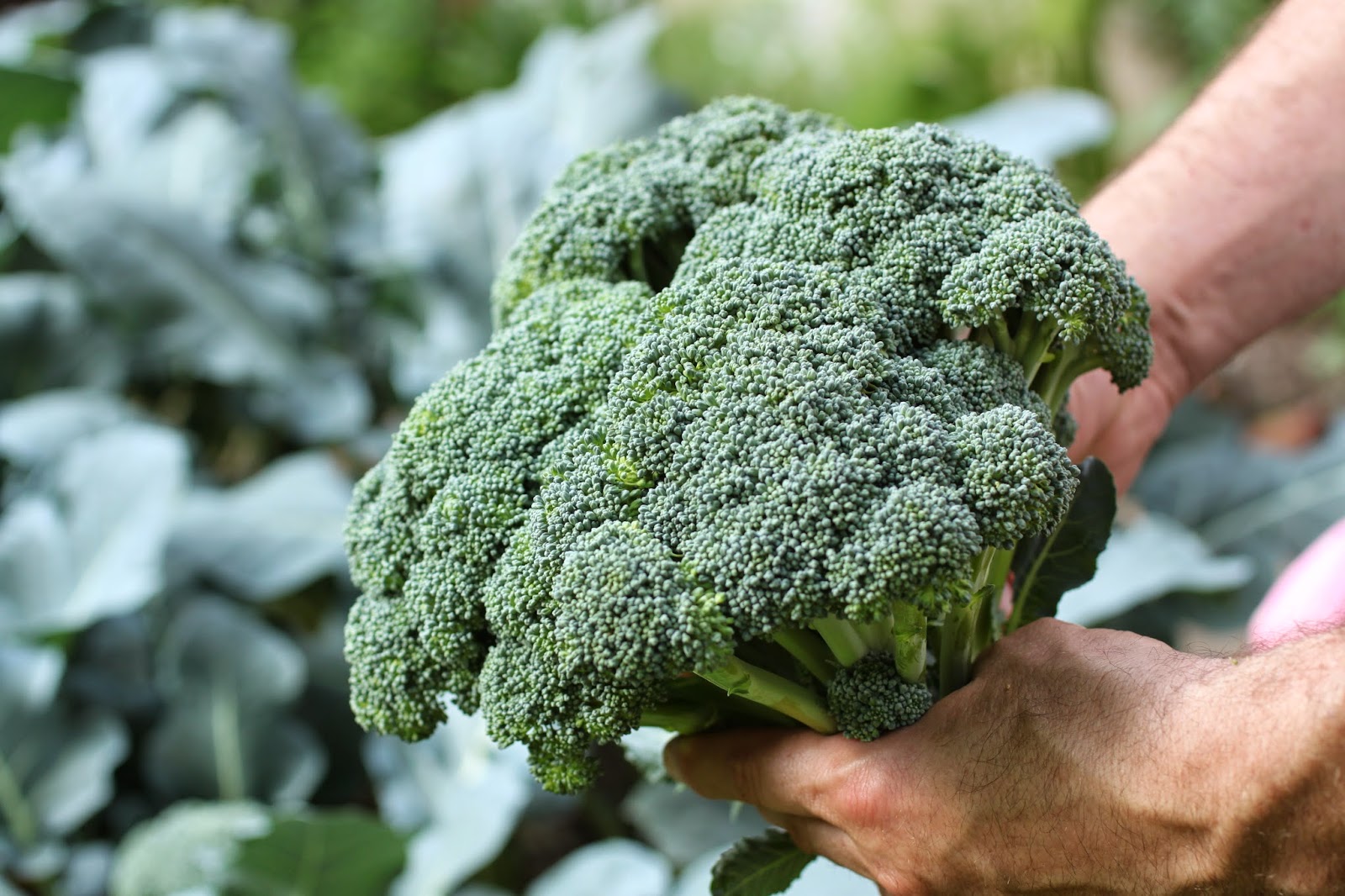
let the broccoli harvest begin!

we plant broccoli in the garden for the spring and fall seasons.  it is one of the few plants that we purchase without considering the variety.  whether it is a hybrid or an heirloom, we aren’t concerned; we just want healthy plants to give us a head start since both spring and fall are pretty short seasons here in nashville.  this is especially true for the spring season.  while this past winter seemed like it would never end and as cool as the spring was, the cold weather crops began bolting quickly.  we were late getting plants into the ground because of the unusually colder weather and by the time we got things going, the days began getting longer and some plants began bolting.

to read the entire post, follow this link to my new blog page

strawberry cake

strawberry season sneaks up on us and does not linger; it is sensitive to the cold and it is fleeting.   the berries can be quickly saturated, left waterlogged and tasteless by a day of rain.  gardeners with strawberries generally keep close watch on the berries as they ripen with daily trips to the bed to gather the ripest, reddest, plumpest fruits.  those that make it back to the kitchen may become any number of treats.  sorbet, ice cream, jam or cake-too many choices and honestly, most are consumed as they are picked; who can resist just picked berries?  not me, that is a fact.
to read the entire post, follow this link to my new blog page