It’s no secret that maintaining a food blog means doing some serious time in the kitchen. Whether you create your own recipes or just use recipes you find, if you want to be considered a credible source, you have to spend time in the kitchen preparing food. And everybody knows that a blog post about food without photos is pointless so do not forget about the time it takes to style the photo and get the shot. On a typical blogwork day, I can easily spend 2-3 hours from start to finish and if you count the time I spend just perfecting a recipe, it can easily be spread out over several days with as much as 10 hours spent just on the recipe. We won’t even mention the cost of ingredients or the fact that I have not monetized my blog and earn nothing for my efforts. Seems like a pointless activity, doesn’t it?
So why would someone pursue blogging as a pastime? Personally, I enjoy the process of creating recipes and then photographing them. Keeping a blog also makes sharing these recipes so much easier too. When I get a request, I can simply send a link via email. But the biggest plus, the sense of community that comes from sharing recipes. How can that be? It is a fact that using computers and the internet tends to isolate us but they also give us the opportunity to communicate with others around the world. Of course, you do need to have readers to truly get that sense of belonging and luckily, there are many online groups and websites that bloggers and even non-bloggers can join. While some websites that allow users to post recipes freely cannot always be trusted, there are plenty of them that can.
One of my favorite websites to search for recipes and information as well as post my own recipes to is food52.com. Many of the articles posted on the website are written by well-known cookbook authors and chefs. By creating an account, anyone can upload recipes to the website and create personal collections of recipes found on the site. For a person with little interest in blogging but a desire to get their recipes online, this is a great way to gain exposure. The website features a theme based contest regularly and anyone with an account can participate, something I have done on numerous occasions. The theme changes each time and you never know what it will be; canned fish, beer, Thanksgiving pies and honey are a few past themes that come to mind.
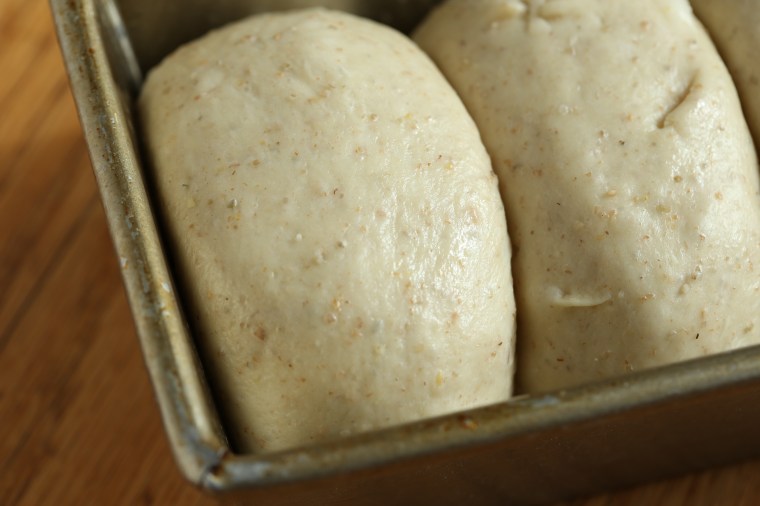
After the submission period ends, the editors of the website cull through the recipes and select a group of recipes that they title “Community Picks” and give the members a chance to test them. On a recent afternoon, I signed up to test a bread recipe that had been chosen as a Community Pick from the “Best recipe with honey” contest. While the website does offer a prize for the two finalists of each contest, the testing does not but if you follow through and send in your testing notes, they may get included in the for the recipe.
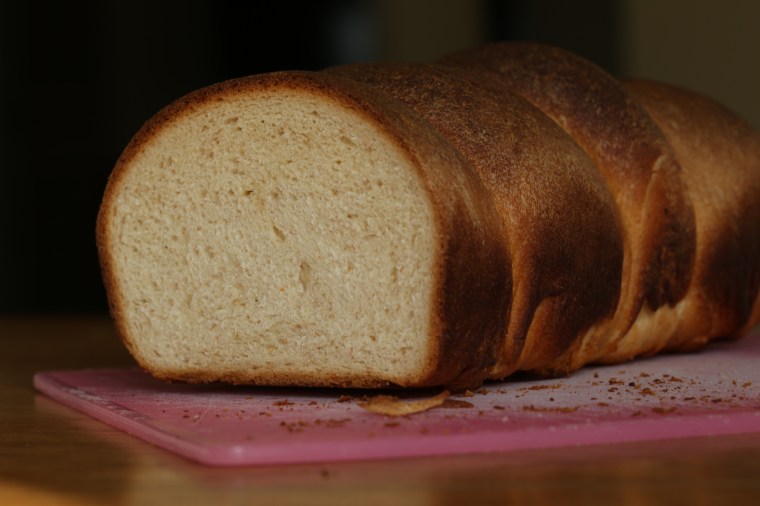
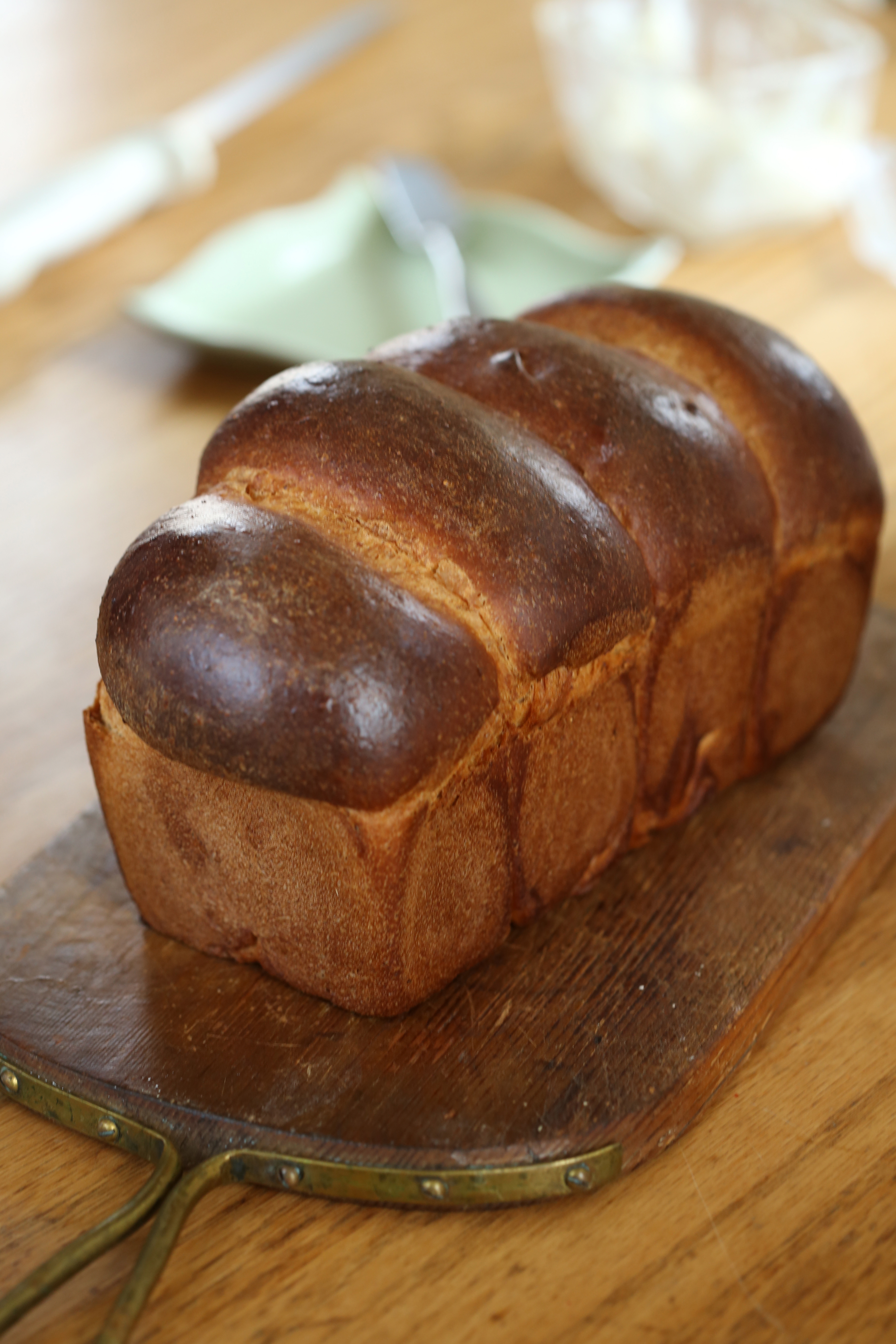
Since I am a member of the website, I chose to make the Milk and Honey bread. When I saw the photo, I immediately thought of Hokkaido Milk bread and was reminded of all of my trips to the Korean Bakeries in Atlanta that sell a similar bread. Tall, narrow loaves with fluffy interiors that make divine toast. However, this bread was actually more like a loaf of brioche; tighter crumb, richer flavor but delicious toasted.

My notes went off to the editors and while they did not use them, I am including them here:
A quick glance at the ingredient list for this recipe might have you questioning the seemingly random numbers but to an experienced baker, it means that the amounts are exact and precise. The truth is the art of baking is steeped in math and science and serious bakers know that a scale is a necessity, not a luxury and when weighing in grams, there is little room for surprises.
The shape of the resulting loaf reminds me of Hokkaido Milk bread but that is where the similarity ends and it is actually produced in a manner more like a brioche dough. It yields a rich bread with a tight crumb, lightly scented with honey and perfectly suited for any number of uses. Toasted with marmalade or drenched with custard for French toast, this bread is a wonderful addition to your baking arsenal.
For those of you that do not have access to a scale that weighs in grams, here are a few conversions for you. The 278 grams of milk is slightly less than 1 1/4 cup while the rye flour and the toasted wheat germ are 3 tablespoons each. The 420 grams of bread flour translates to nearly 3 cups but do yourself a favor and hold back 1/4 cup, you may not need it, I didn’t. Keep an eye on the oven, I dropped the temperature to 375 and the loaf baked in 40-45 minutes but I had to use a foil tent after 20 minutes.
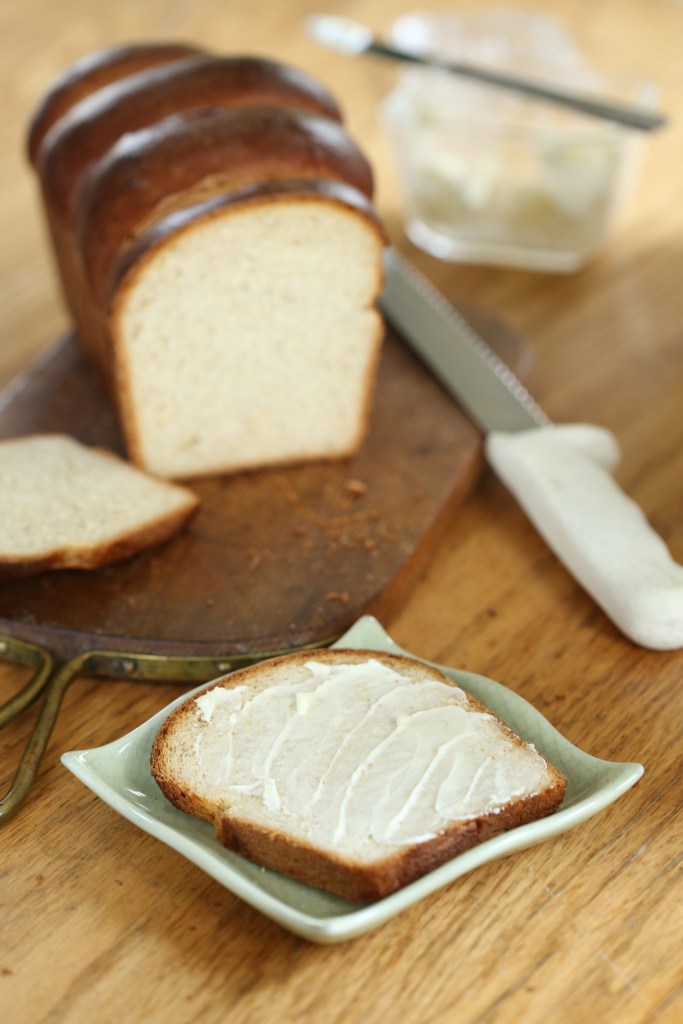
My results with the recipe were a little mixed and I actually prepared the bread twice. Does this mean the recipe is not good? Absolutely NOT; my second batch of bread was spot on and quickly devoured by my coworkers. There are so many things that can cause different results that I would say this recipe is worth preparing and to get the proper results, follow these two suggestions; hold back some of the flour and lower the oven temperature. Flour is one of those ingredients that can vary from region to region and I don’t mean just by the growing region, the area you bought it in can matter too. Here in the south, we tend to use softer wheats while up north, hard wheats are more common so knowing what your favorite brand is milled from helps. And as always, oven temperatures can vary greatly because of calibration or due to elevation and just because my oven set to 350 works for me does not mean yours will work for you. My suggestion to home bakers is to always use an oven thermometer and a timer and if you live in a higher elevation, knowing the needed adjustments is crucial for success.
 As I mentioned, I have entered contests on the site. A couple of my recipes have reached the finalist stage:
Masala Spiced Pear Pie, Best Thanksgiving Pie
Blackberry Cornbread Buckle, Best Buckle, Slump, Grunt, Crumble, Cobbler, Crisp, Sonker, Pandowdy, and/or Betty
Some of my recipes have also been chosen as Community Picks and to see that list, here is a link. But the best news of all, I actually won the Best recipe with Beer contest, and of course, it was with a bundt cake recipe! Yes, you can have your beer and cake it too…
Gingerbread Beer Bundt Cake with Chocolate Glaze
Now for those of you who are wondering, no I did not get paid to write this post, I also did not receive a shipment of kitchen gadgets or ingredients for posting it. In the past, I have received some lovely gifts of Oxo kitchen gadgets for making it to the finalist stage. However, I am just grateful for the chance to belong to a “community” of food lovers who enjoy sharing recipes and information as well as a little friendly competition.
 The cake for today’s challenge is supposed to be a tangerine-carrot cake but after a quick check in the fridge, I could only find lemons. Then I spied the last lonely parsnip and decided that I should keep going in this direction and change it all up. We have been trying to cut back on snacking and it has been a while since I made a cake. The fresh eggs from our hens are stacking up on the counter and it was a chance to use a couple.
 The change from tangerine to lemon meant that the acid level was increased and I am pretty sure that it changed the texture of the cake and made it a little denser than the description in the recipe. Even so, it was still pleasingly moist and a little firm. The parsnip mellowed during the baking and honestly, you wouldn’t know it was there unless I told you.
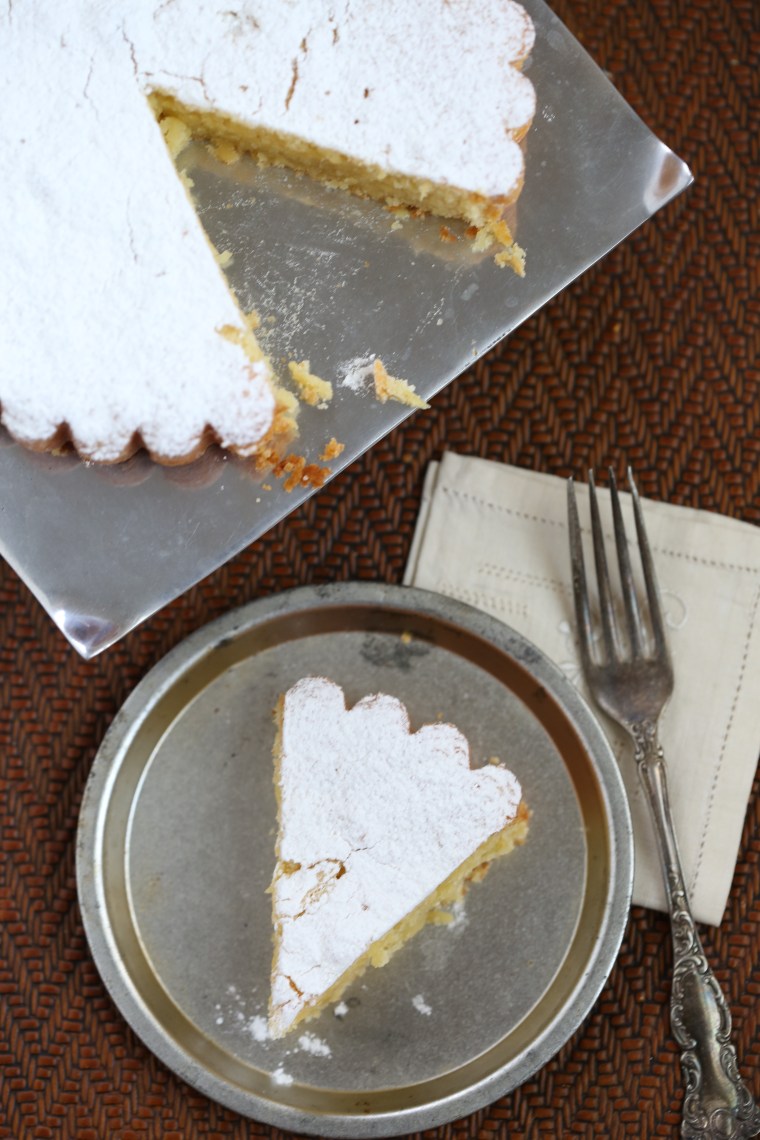 The only other observation I made was that the batter amount baked up just fine in my 8 inch tart pan. After greasing the ring and bottom and dusting it with flour, I set it onto a sheet pan to prevent leakage in the oven. It came out of the pan and off the bottom beautifully. This was such an easy cake to make and honestly, the potential combinations are numerous so I can see myself pulling this recipe out again when I need a quick and foolproof cake!
 It has been a while since I baked with the TWD gang. The holiday season is generally a hectic one for me and with all that I was baking for gifts, I just decided not to bake anything more, because baking it means eating it and I have gained more weight than I care to admit at this point. (thanks menopause…)
 Stone ground cornmeal is always more coarse than the regular grind but the bloody butcher had a large range in particle sizes and makes it very easy to see the meal in the dough. This particular batch was grown and ground right here in Virginia and it is from
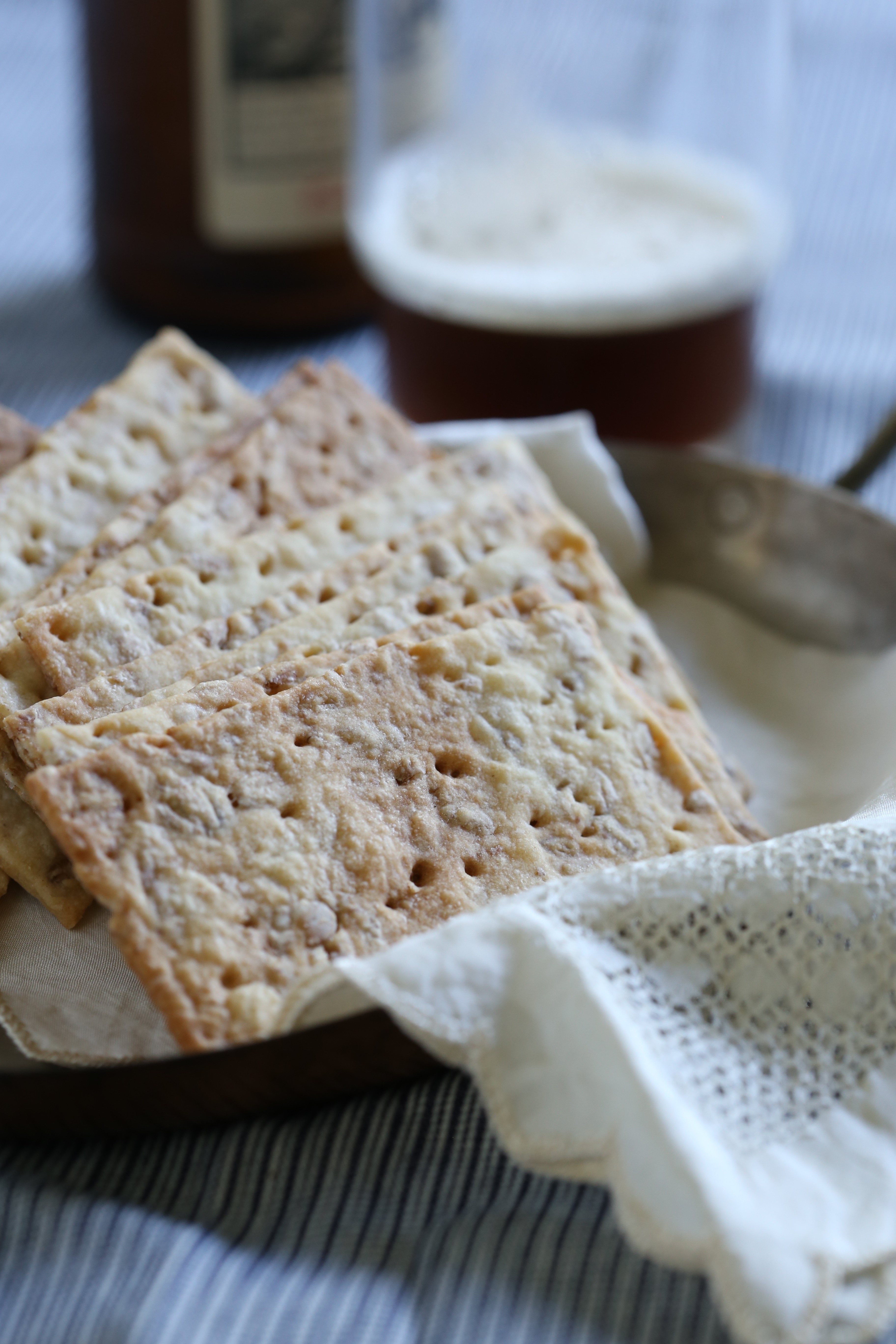
  There was a box of currants lurking in the pantry and since they were a little dry, I added several tablespoons of dark rum to them and heated them so that they would plump up. To offset the extra liquid, I cut out the extra egg yolk and that made the dough slightly drier than I would have preferred. However, now that we have our own egg laying hens, I hate the thought of wasting an egg white. The recipe calls for the dough to be formed into a log and cut into scone-like wedges. After asking one of the other TWD bakers how they worked out like that, I decided to go with a slice and bake log which is what most of the recipes I read called for. The result was a crunchy, crumbly cookie.
 The weather took a sudden turn towards winter today and turning on the oven was comforting in many ways and so was the scent of cookies baking-although, I really do not need to be eating cookies at this point! The bottom line, I love currants and cornmeal but it is not likely that I would think to make these again, at least not with this recipe. Personally, I would like them to be a little sweeter and a little crispier. Either way, these cookies are a lovely accompaniment to a cup of hot tea, especially on a chilly day!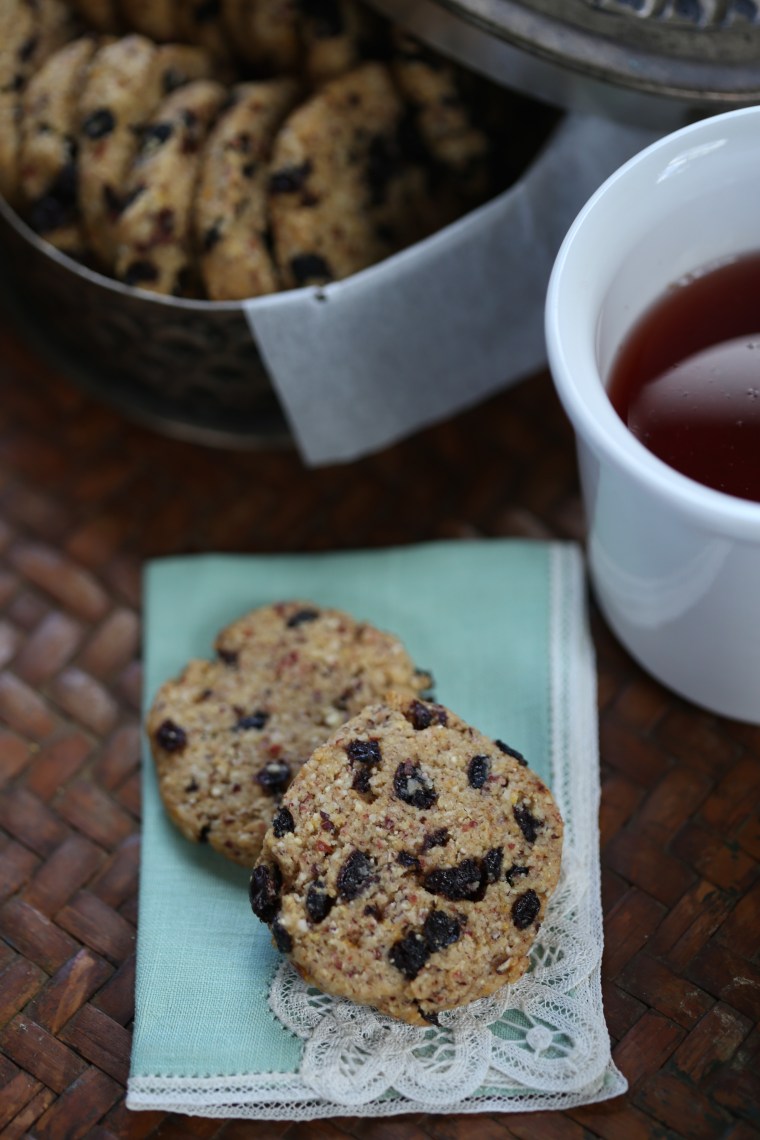


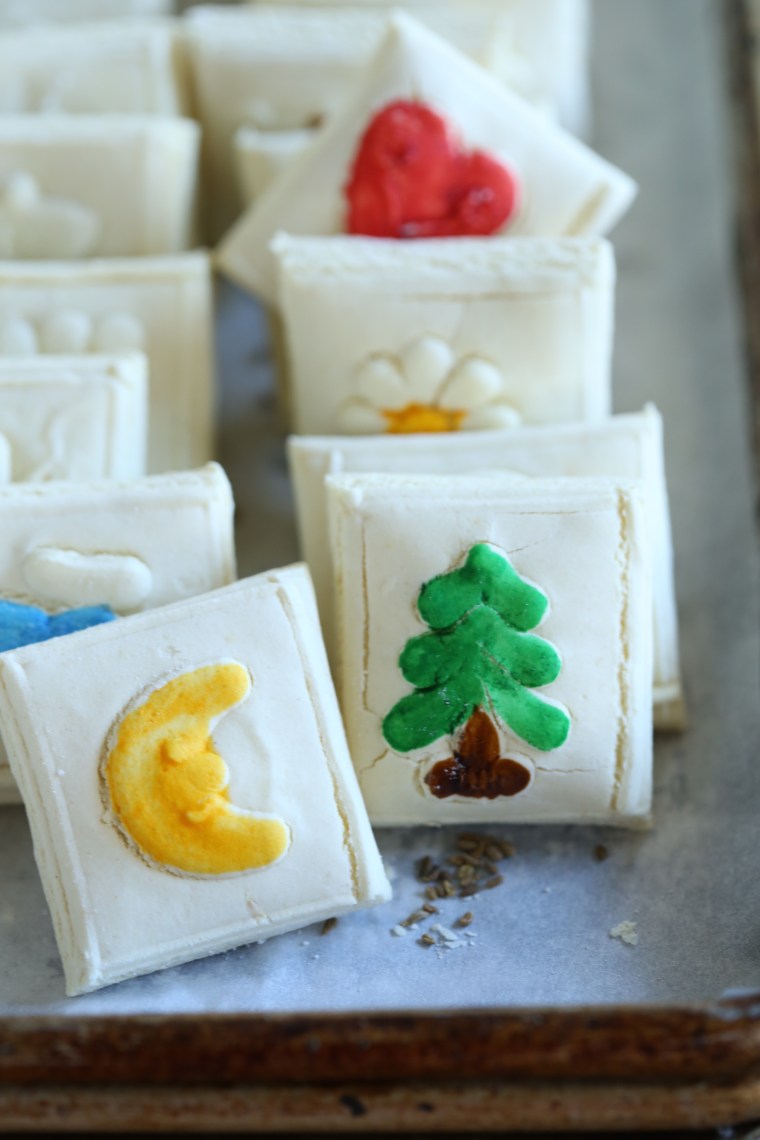
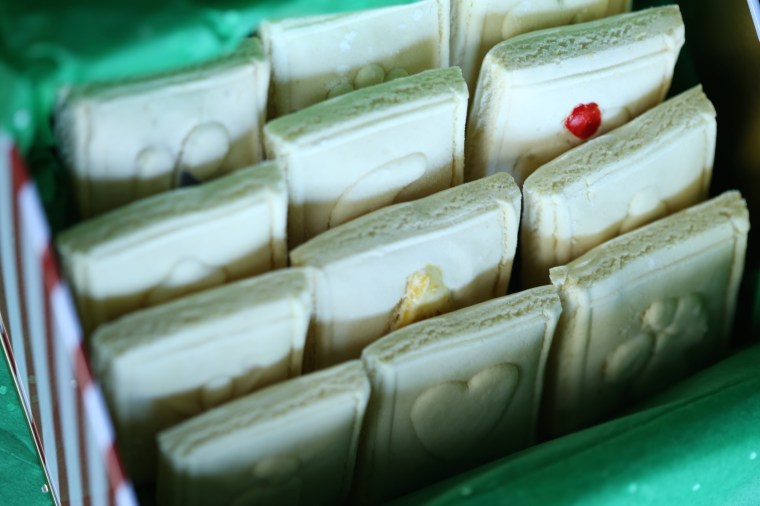
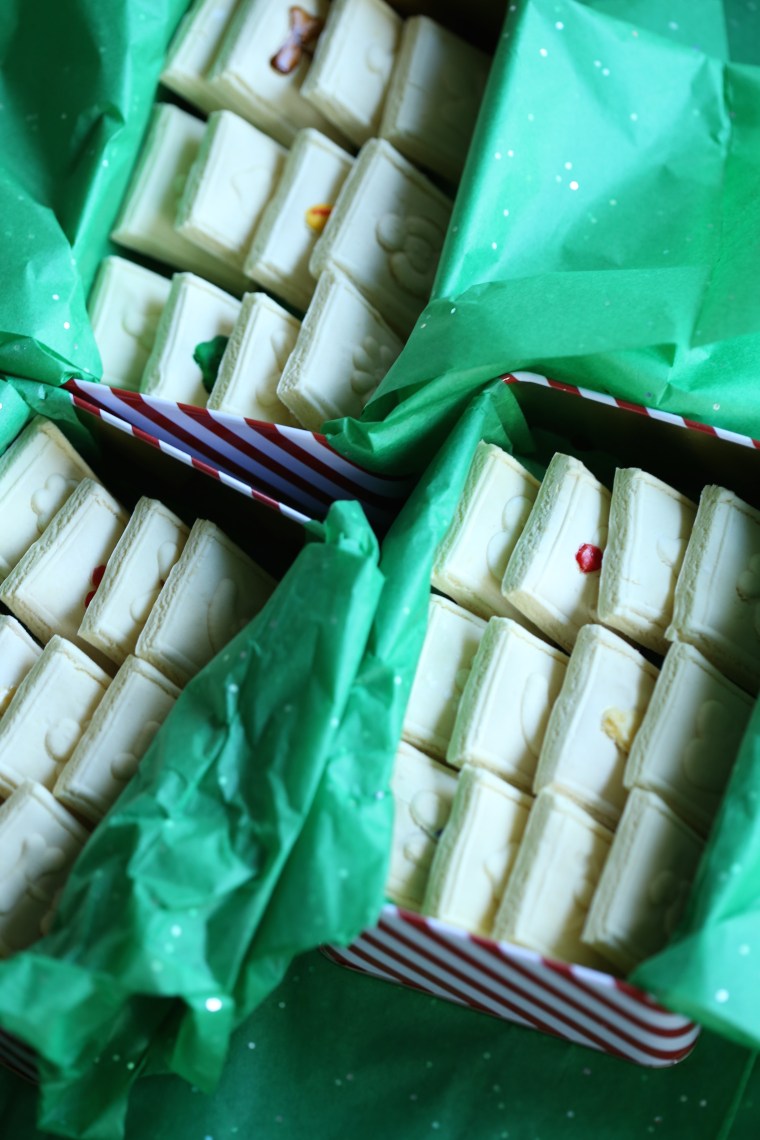
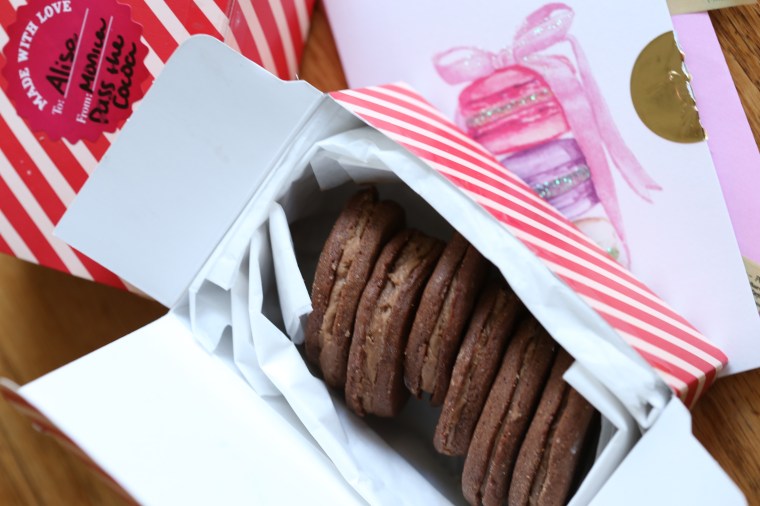
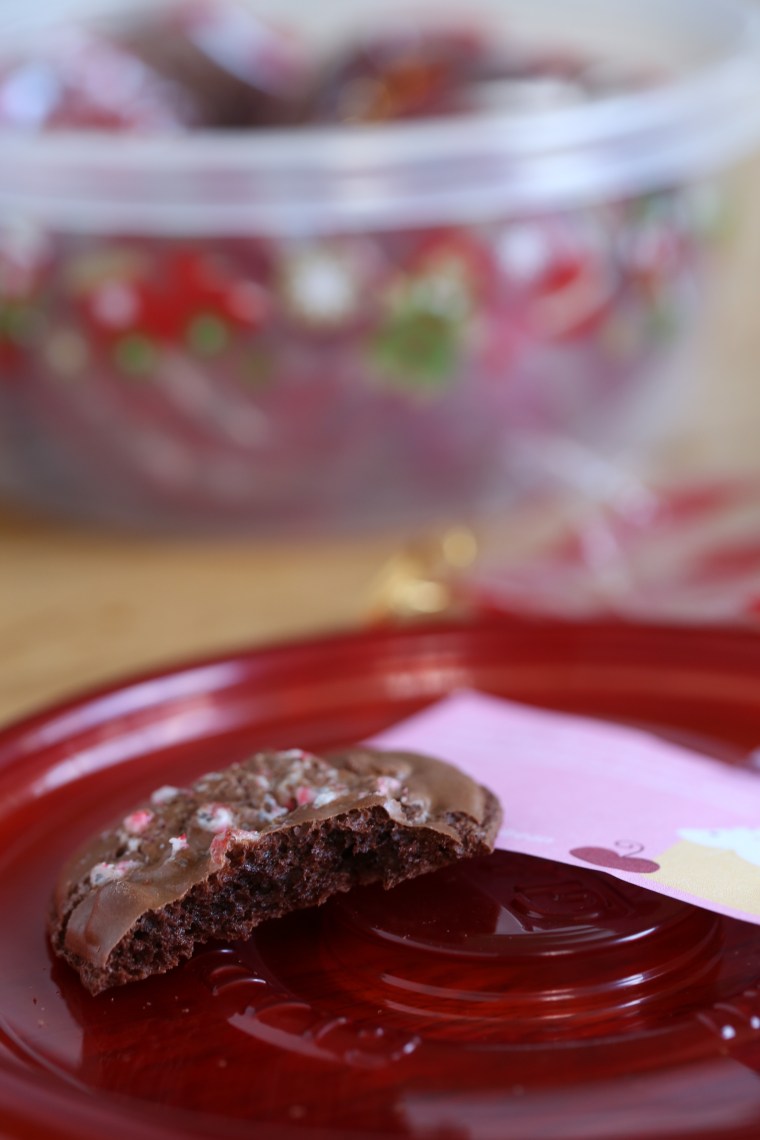
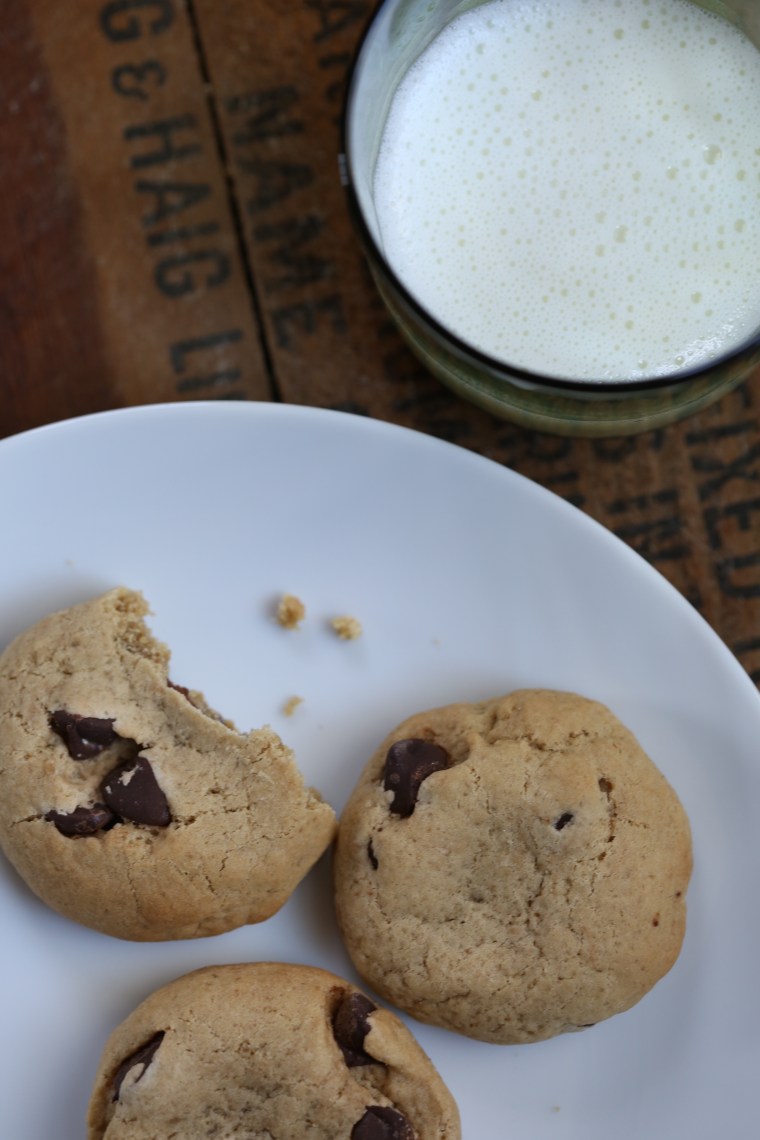
 All stacked up and ready for snacking…I may have to hide these from Darry. What I really want to know is how the three of you knew to send me chocolate?
 Walking along Duke of Gloucester Street and the farmers market on a Saturday morning is something I truly missed when I was working full time. My schedule shifts included Saturday mornings and I missed most of the spring and all of summer at the market.
 There is also no shortage of humor at the market. Look closely, it made me chuckle.
 So if the knife sharpener made me chuckle, this made me laugh, a lot. If you need some worm castings for your garden, they’ve got you covered.
 When in Virginia, only Virginia Peanuts will do! They are larger than most and very popular in our house.
 The Middle Peninsula of Virginia is part of the Chesapeake Bay area and that means Blue Crabs, freshly caught, steamed and ready to eat.
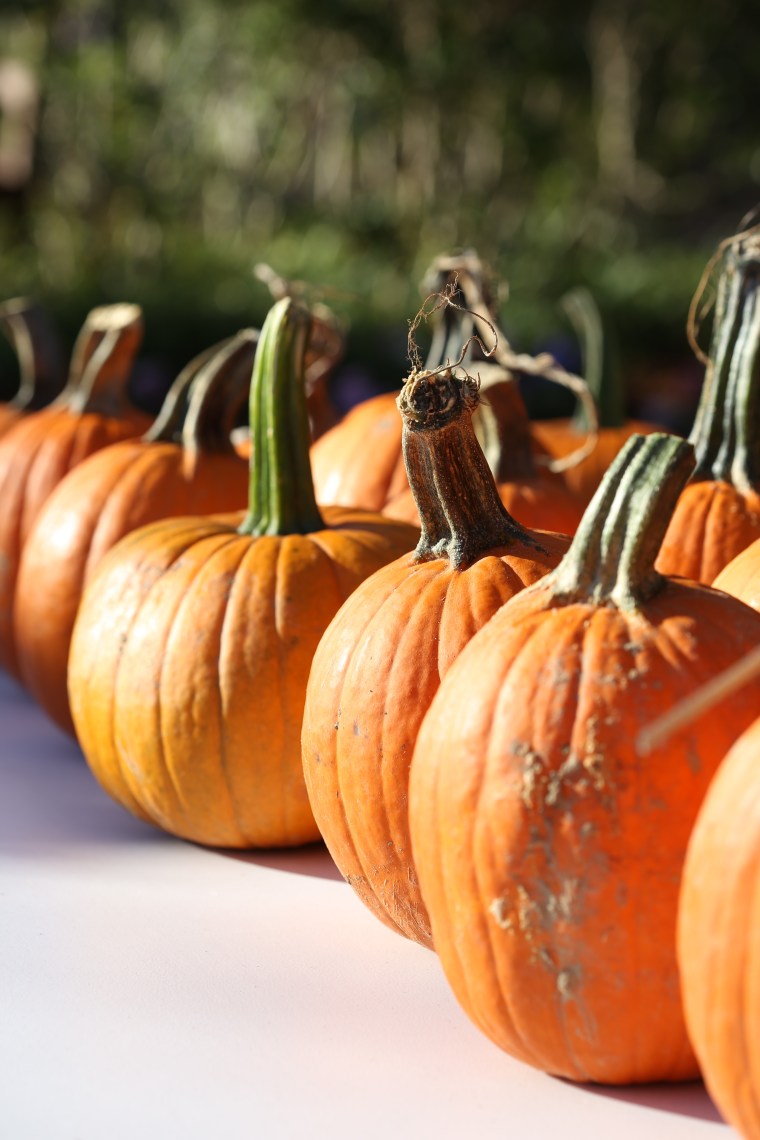 It wouldn’t be fall without pumpkins and there was no shortage of them that morning.
 One of our favorite stops is the mushroom booth. They sell a nice variety of wild mushrooms.
 On this day, they had Hen of the Woods (above), Lion’s Mane, Oysters, and Shiitake.
 Did you know the Williamsburg Farmers Market is a producers only market? Virginia grown and that makes it fresh and local!
 These were being sold as pumpkins on branches for use in floral arrangements but the truth is, they are a variety of inedible eggplant.
 It’s true, pie fixes everything, try some and see for yourself!


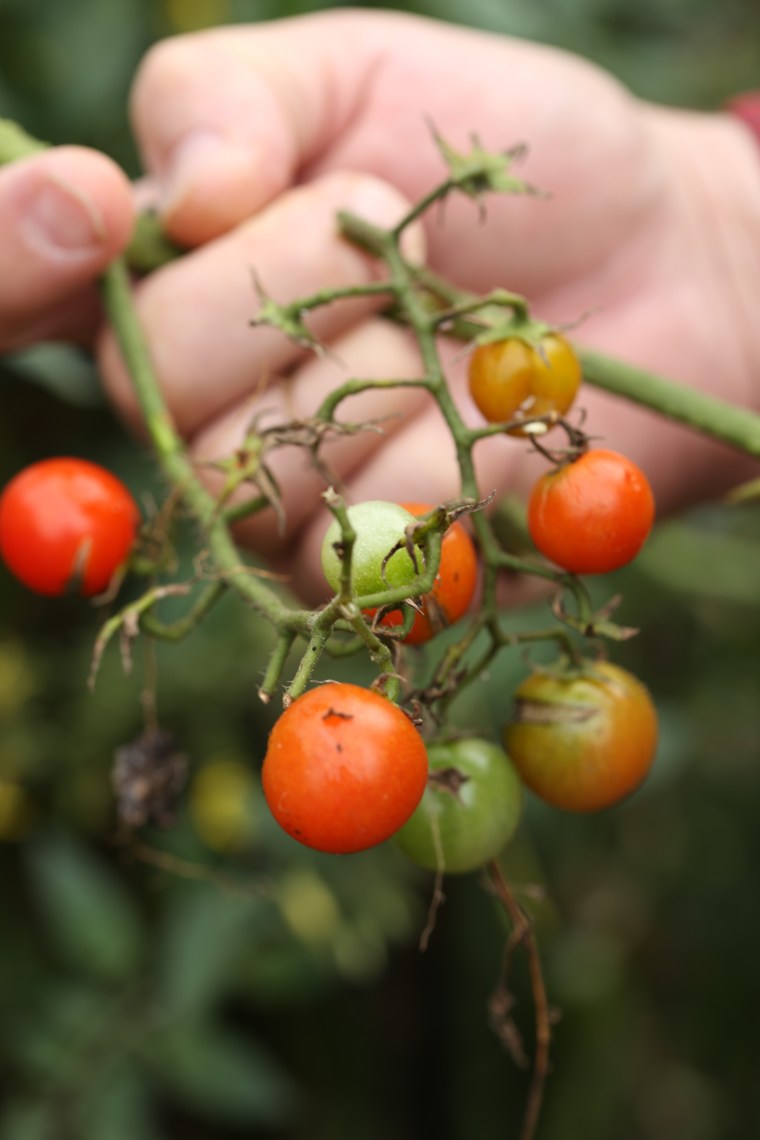 Having a garden means you have a tremendous amount of patience. How else can you explain the process of waiting for the right time to put seeds in the ground, waiting for them to germinate, waiting for the plant to mature; wait, wait, hurry up and wait. Participating in this process also makes you an optimist. Gardeners are always looking ahead to the harvest, convinced that they will be blessed with an abundance.
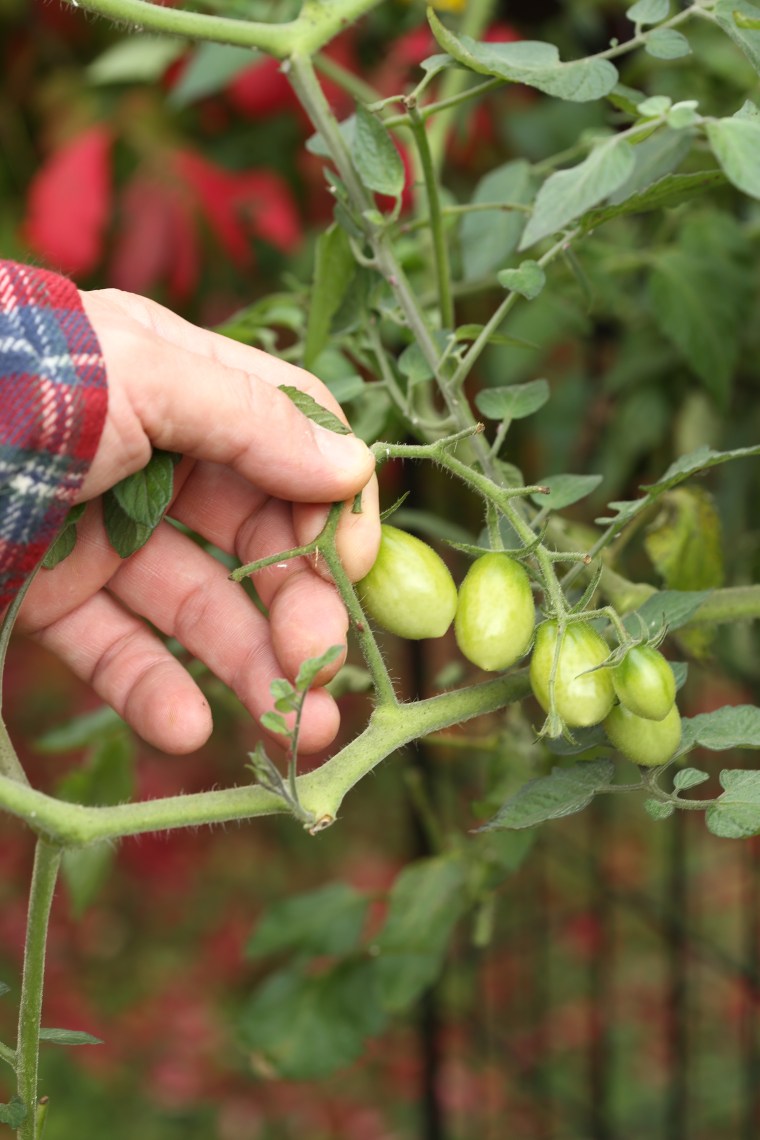 As a result, we have an endless stream of tomato seeds germinating in our compost piles. We always let a few of them grow and because we never know what they are, we generally call them surprise tomatoes. This year, we had quite the haul: miniature plums, red cherries, full sized plums and brown kumatos. As the frost approached, we made the decision to pick as many as we could. Actually, the first real frost came late here, and on November 20th, we finally had the full freeze to kill the vines.
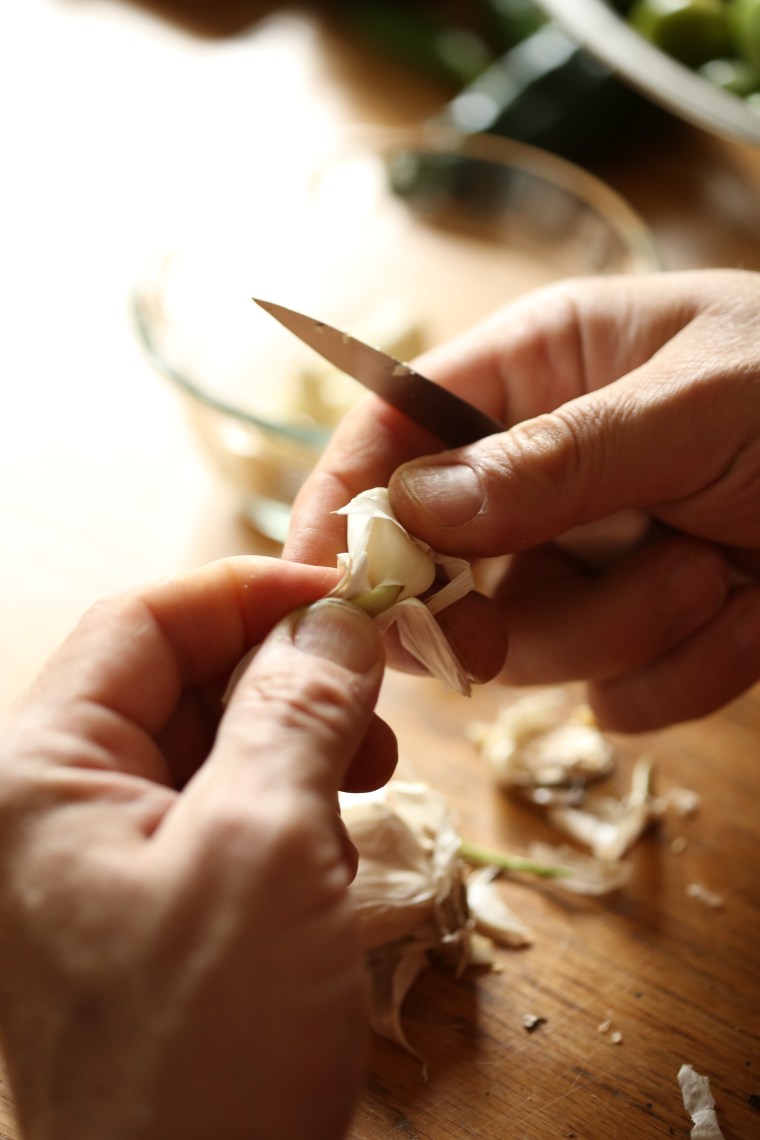 Darry is a reluctant hand model but he also likes to humor me. Here he is peeling cloves of garlic to place in each of the jars.
 We picked and sorted the tomatoes by color so that we could pack each jar with a variety of colors, just like a stop light. (Sounds better than traffic light)
 Each of the jars has fresh basil leaves, lemon peel, pepper corns, chili flakes and mustard seeds to flavor the pickles.
 Vinegar and water are heated with salt and a little sugar and then poured over the tomatoes. The jars are topped off with a little olive oil and then heated in a waterbath to seal them. Ours are ready to go and we are hoping that we have enough for everyone on our gift list!

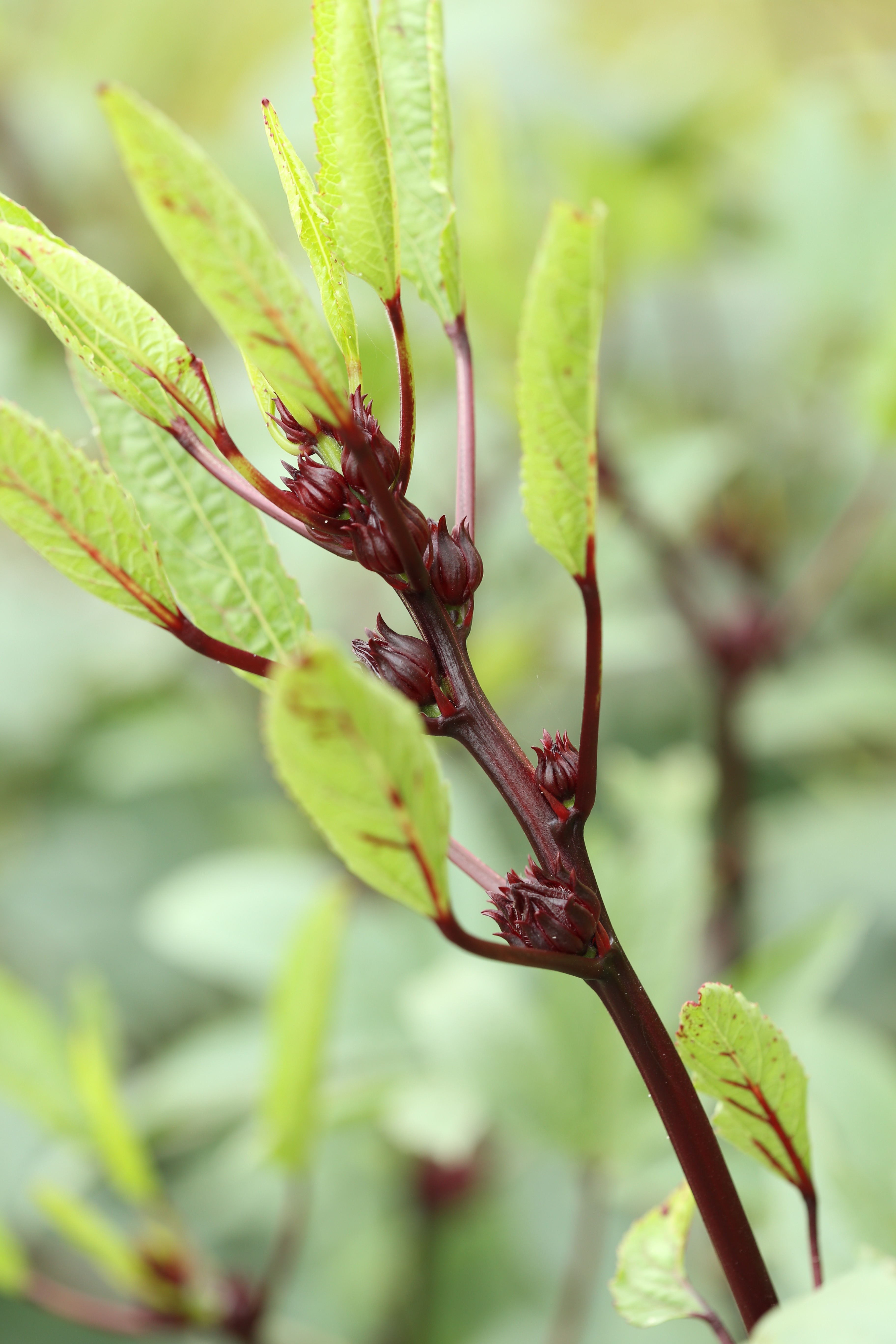




 will garden for cake