
There’s no point in explaining my absence; nothing has been as it should for the last 23 months and we all know that. However, I did finally decide to try and get back to keeping this page relevant and posting about the things that have kept me busy during this long stretch seemed fitting.
This page is focused on baking and gardening because that is what I do; I bake and I garden and sometimes, I bake with what I have grown in the garden. Lately though, many days have been spent canning things from the garden; pickles, jams, tomatoes in all forms, vinegar and vegetables. We actually produce enough food in the garden to feed ourselves through the year. There is a real feeling of satisfaction when I peek into the cupboard in search of ingredients and I pull out a jar that is filled with something that I grew and canned myself.
When my husband gave me a pressure canner one Christmas, I was excited; I could finally do more than just tomatoes or pickles! The cupboard is now stuffed full of single serving jars of soup that I made to keep me fed this winter. It may seem like work but when you do the math, it is almost always a lot cheaper than buying cans of soup and it certainly doesn’t contain the preservatives and crap that most cans of soup are full of.
The biggest bargain I have found is to buy bags of dried beans and then can them. A one pound bag of beans will yield four pints of cooked beans once they are canned and you figure it out, a jar ends up costing about 35 cents. By canning them you also have jars of beans that are ready to be added to a dish without having to soak and cook them; a real win-win in my kitchen.

Hummus is a staple in our house and I was not really fond of making it from store bought chick peas. No matter what I did, even using the Vitamix, just did not make it as creamy as I would like. Then I began canning my own chick peas; what a difference in consistency!

Navy and Great Northern beans are interchangeable in recipes if you ask me. Just look at the photo, Navy on the left, Great Northern on the right. The only real difference is size. Either one works in a bowl of soup or as a side dish or straight out of the jar with a spoon… Yes, I’ve done that when I am too lazy to cook although I will heat them up most of the time.
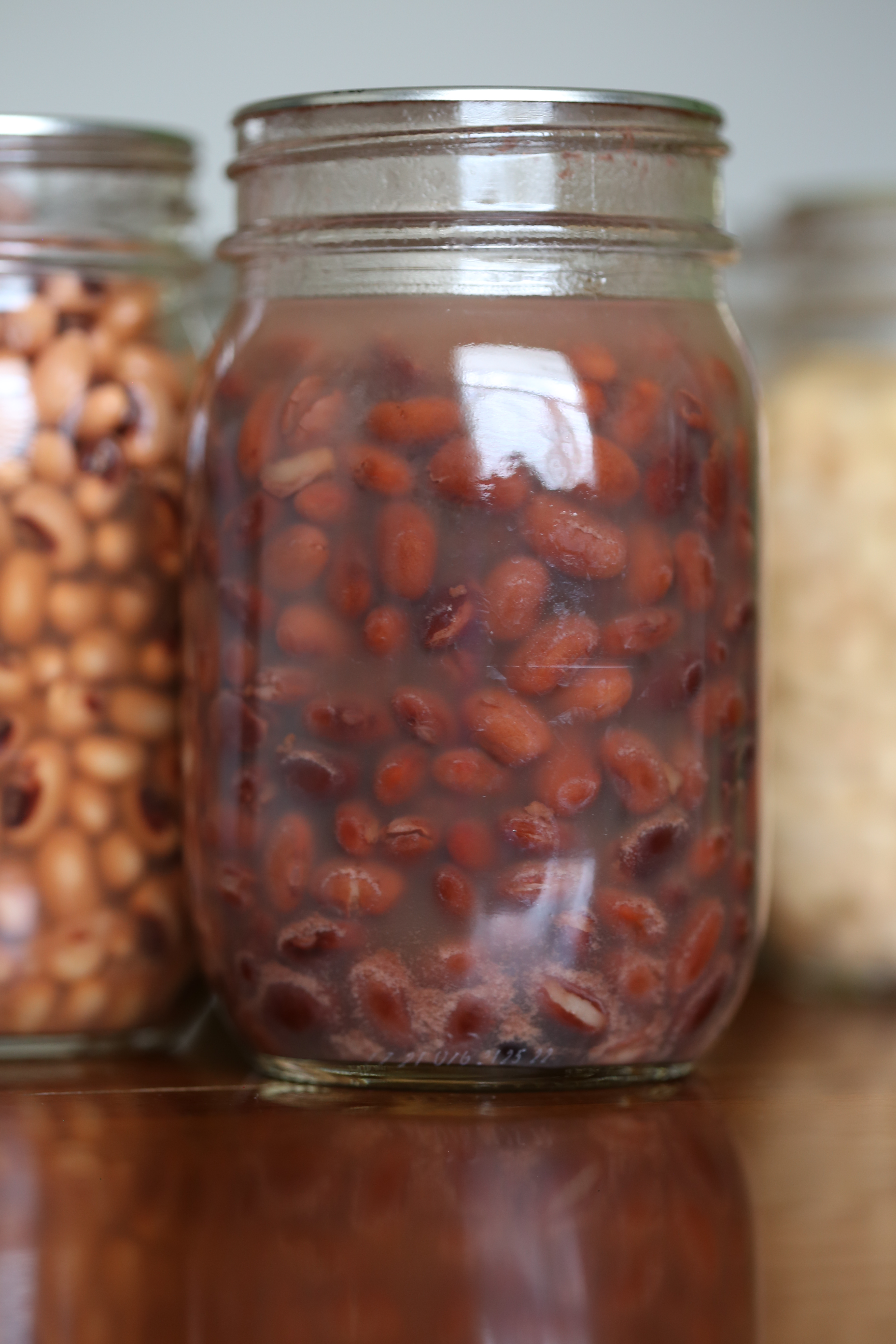
Recently, I made a batch of Cuban Black Bean Soup and having jars of cooked beans ready to go meant that I didn’t have to cook them first. That batch of soup was finished quickly and into jars it went. Now I have a supply of black bean soup and black beans in the cupboard.

The last batch of beans was a half bag of Blackeyed Peas. We had a major infestation of pantry moths over the summer and had to toss out so much dry food that leaving an open bag of beans in the cupboard was a bit of a risk. Besides, if I am really going to eat a bowl of beans for dinner, these will be my first choice. Saute some onions and garlic, drain the beans and add them to the pan with some broth and just let it simmer; bacon or ham can be added too but i generally skip that. Dinner in less than ten minutes.
Since this page really is about gardening, I feel I must take it full circle. Did you know that you can easily grow your own dried beans? Granted it takes some space and patience but most pole beans will produce pods faster than you can find them on the vines. Every year I plant a variety of green beans called Cherokee Trail of Tears. The vines can grow 15 long and they produce tons of green pods. When young, they are some of the tastiest green beans and we always process a bunch, vacuum seal and freeze them for use over the winter but we have also found that it is just as easy to let some of them go to seed. If you let the pods mature and dry on the vine, you will be able to harvest them and then shuck the beans. This particular variety produces black beans and we have done this a few times. The beans are small but tasty and we have enjoyed them in soup and chili. If you grow your own, do be certain the mature beans are edible, some such as Hyacinth beans can be poisonous.

Now get out there and plant some beans!
 It has been a busy summer and even though fall has arrived, things are not slowing down! We have picked a freezer full of vegetables and I have canned more tomatoes than I can count! Here are some photos of the garden to give you an idea of what we have been up to. Above is a lousy photo of one of our ginger lilies in bloom-they are so fragrant!
 Back in May, I brought home 7 tire planters from the Urban Gardening Festival. This one is full of shade loving plants and they have really filled in, now I need to figure out how to keep it alive over the winter-these plants are not cold hardy!
 The other 6 tires look like this and I just replanted them with fall flowers-now they need to fill in. The strawberries have spread like crazy and we are hoping for fruit by the bowl next year. The strawberries have also helped the rhubarb crowns get established and we were able to harvest from each plant.
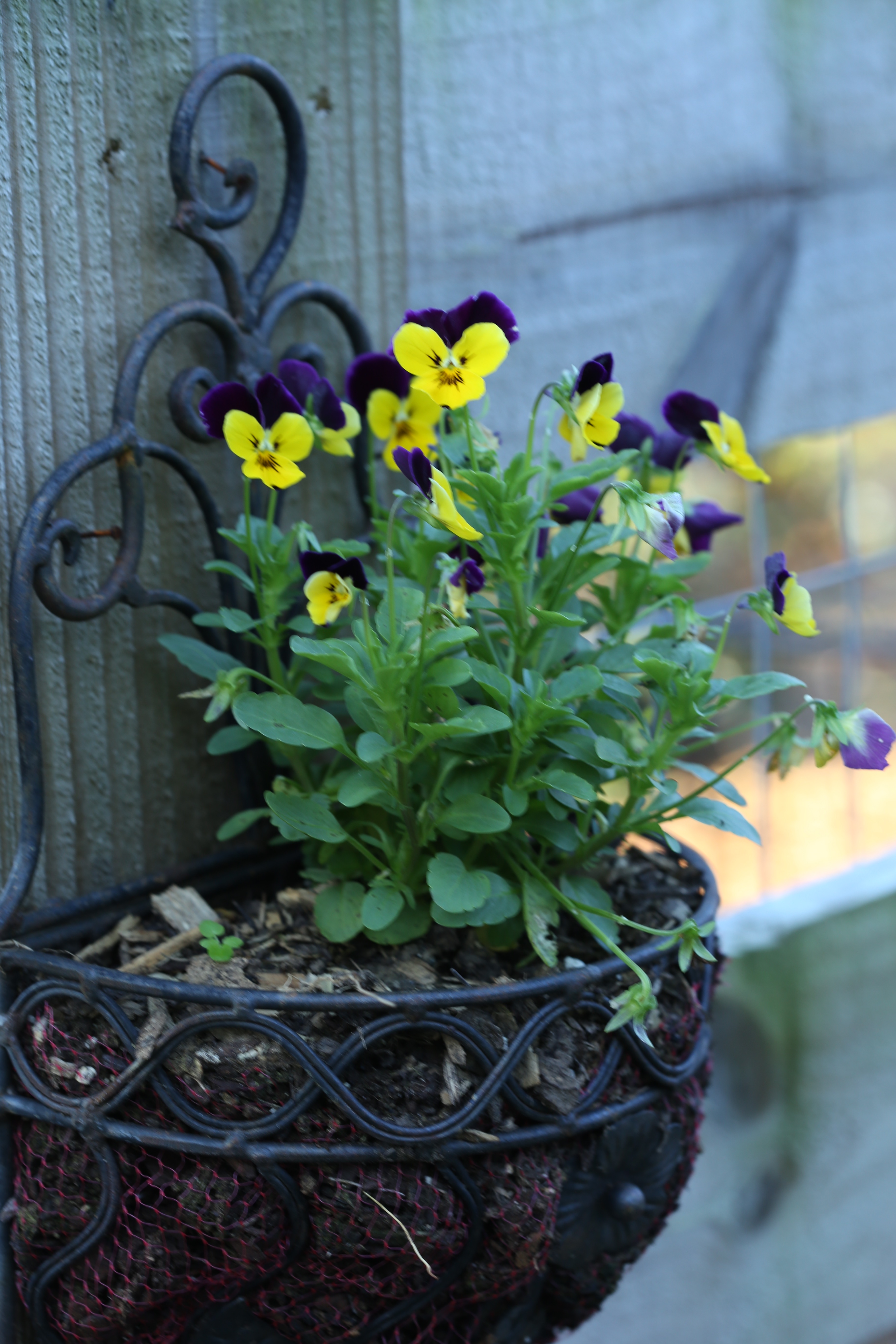 Gate greeters-love the little faces that greet me as I enter the garden.
 The chair planters I made this spring have filled in.
 How can you not love sedum? These plants are so hardy and can survive the neglect they sometimes get in this busy garden.
 Love the colors and textures they add too and bees love the blossoms.
 All of this heat has been just what the peppers needed and they are coming in by the bowl.
 Poblanos
 Sweet banana
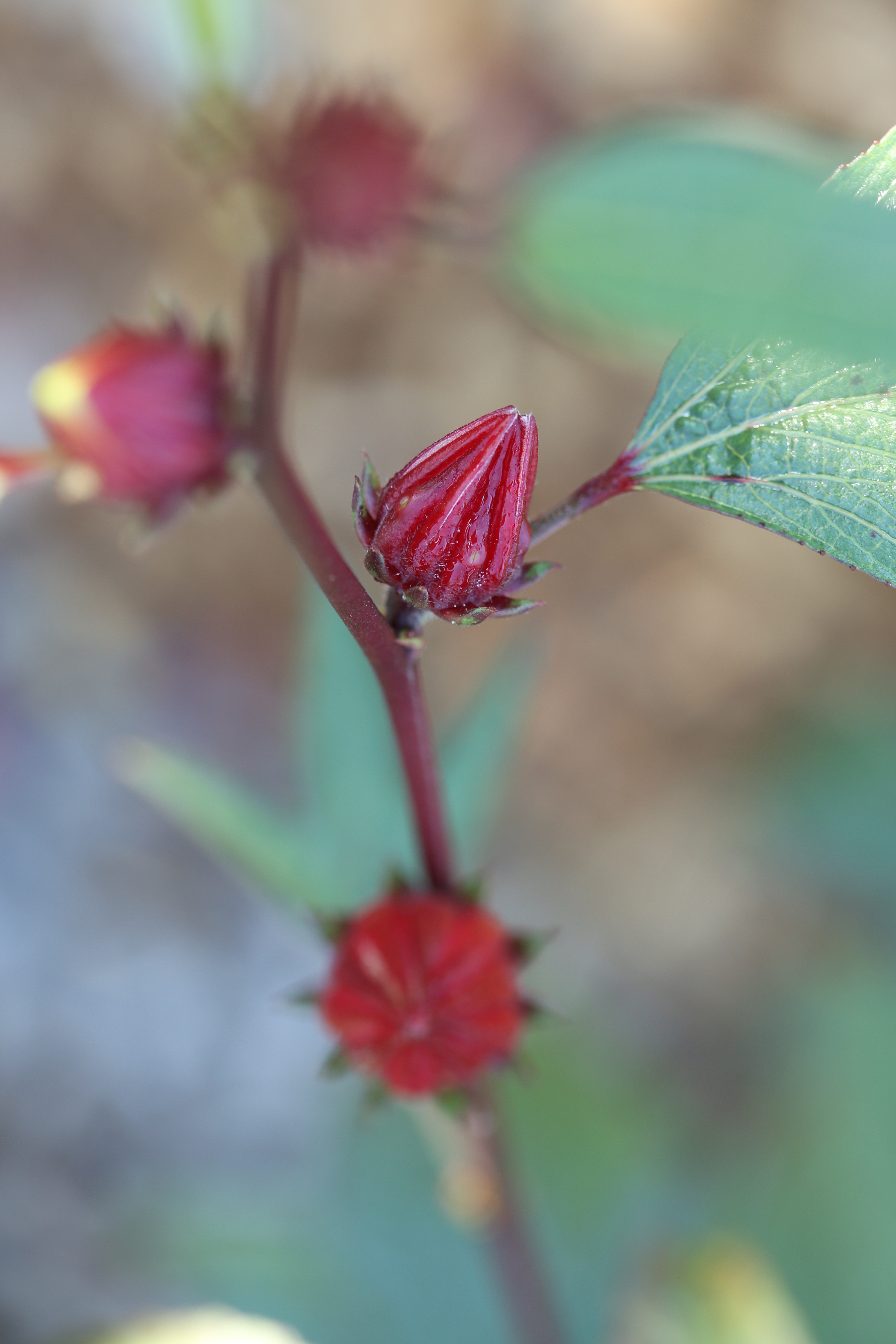 Roselle Hibiscus is one of my favorite plants in the garden. This year I am experimenting with jam. The first batch is in jars but I see room for improvement and will be making more.
 Someone asked me why I planted flowers in the garden. The short answer, I like them! But more importantly, so do pollinators and butterflies. This little skipper is drinking from a noodle bean flower.
 New to us this year is Cardinal Basil. Those flower heads can get as big as a softball and the leaves are huge as well. The flavor is an intense, classic sweet basil flavor and it has made its way into a lot of tomato sauce this summer!
 The change of seasons means a change of plants. Extra Dwarf Pak Choy is actually ready to harvest and we have picked some already.
 The last of the canning tomatoes-finally done with it for the year!
 Where ever I go in the garden, they watch us work
 Lady Bird, our only Americauna hen is a little shy in comparison to the others
 The watermelon jungle. First one we picked wasn’t ready and the chickens ended up with a nice treat. This one looks ready to go.
 Glass chicken.
 The bottle tree.
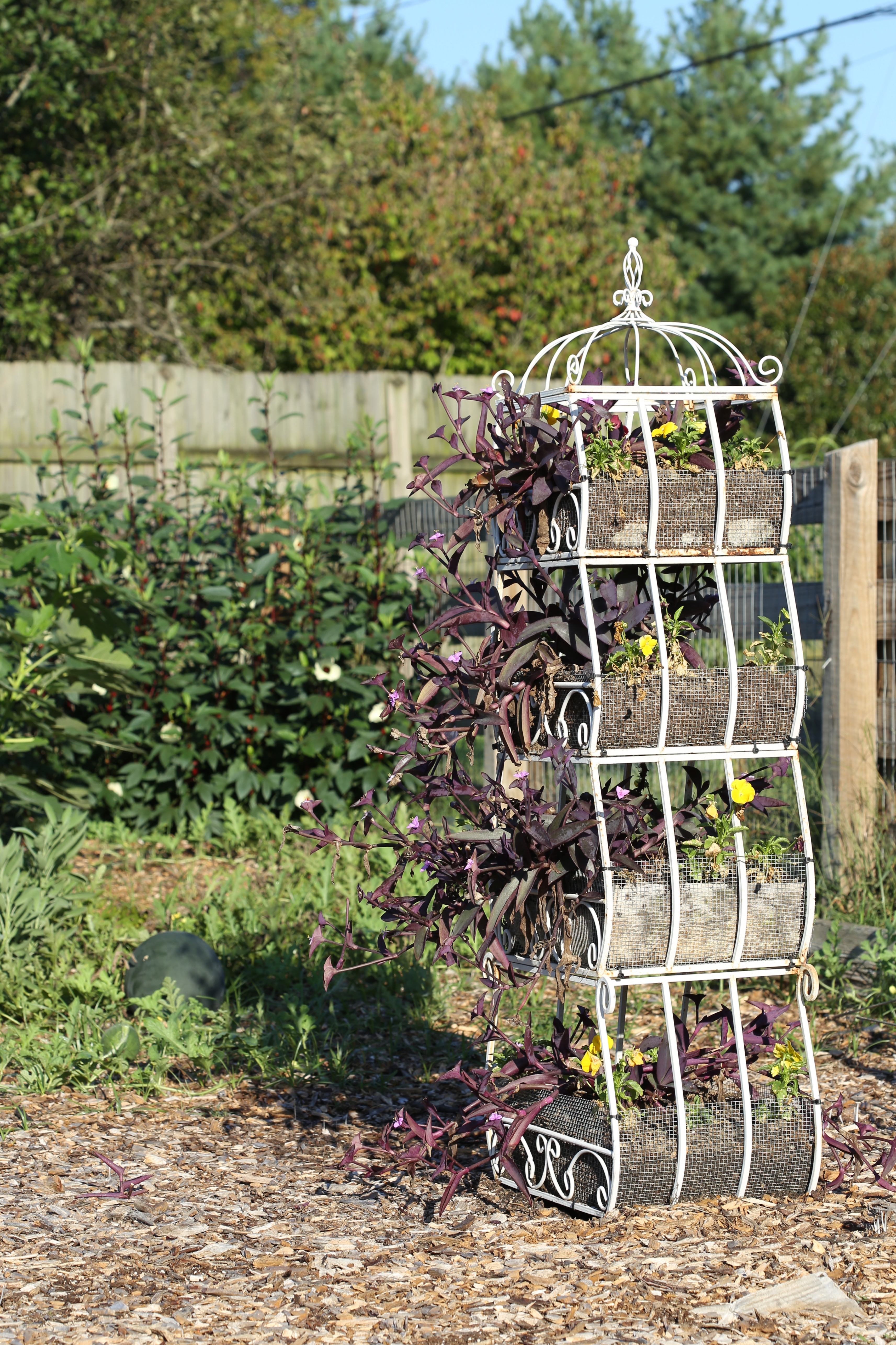 The flower tower
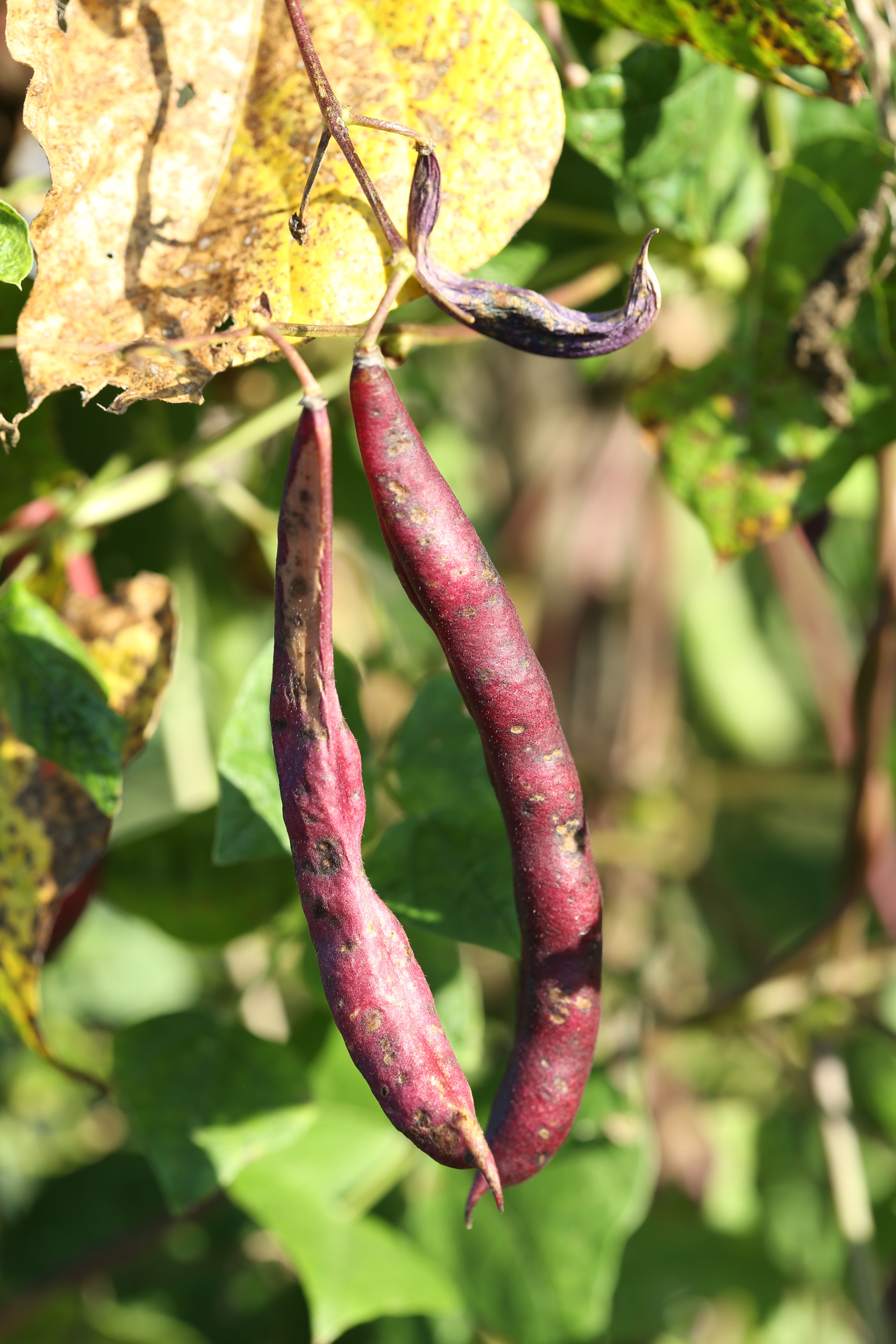 Cherokee Trail of Tears beans are one of the best heirloom beans. We let a bunch go to seed so we will have plants next year. We can also dry out the seeds and cook them like other dried beans.
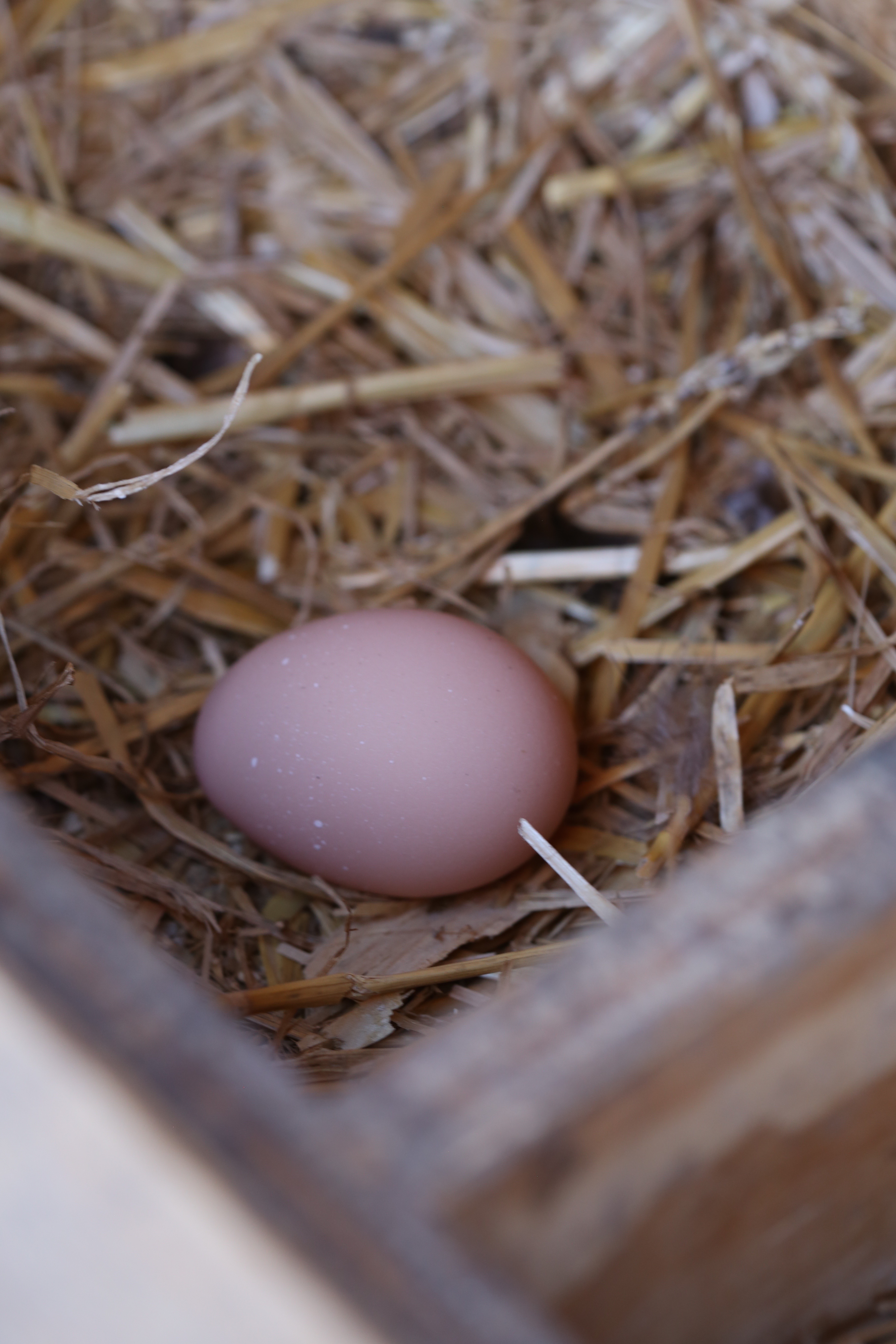 Finding an egg in the box is something that never gets old.
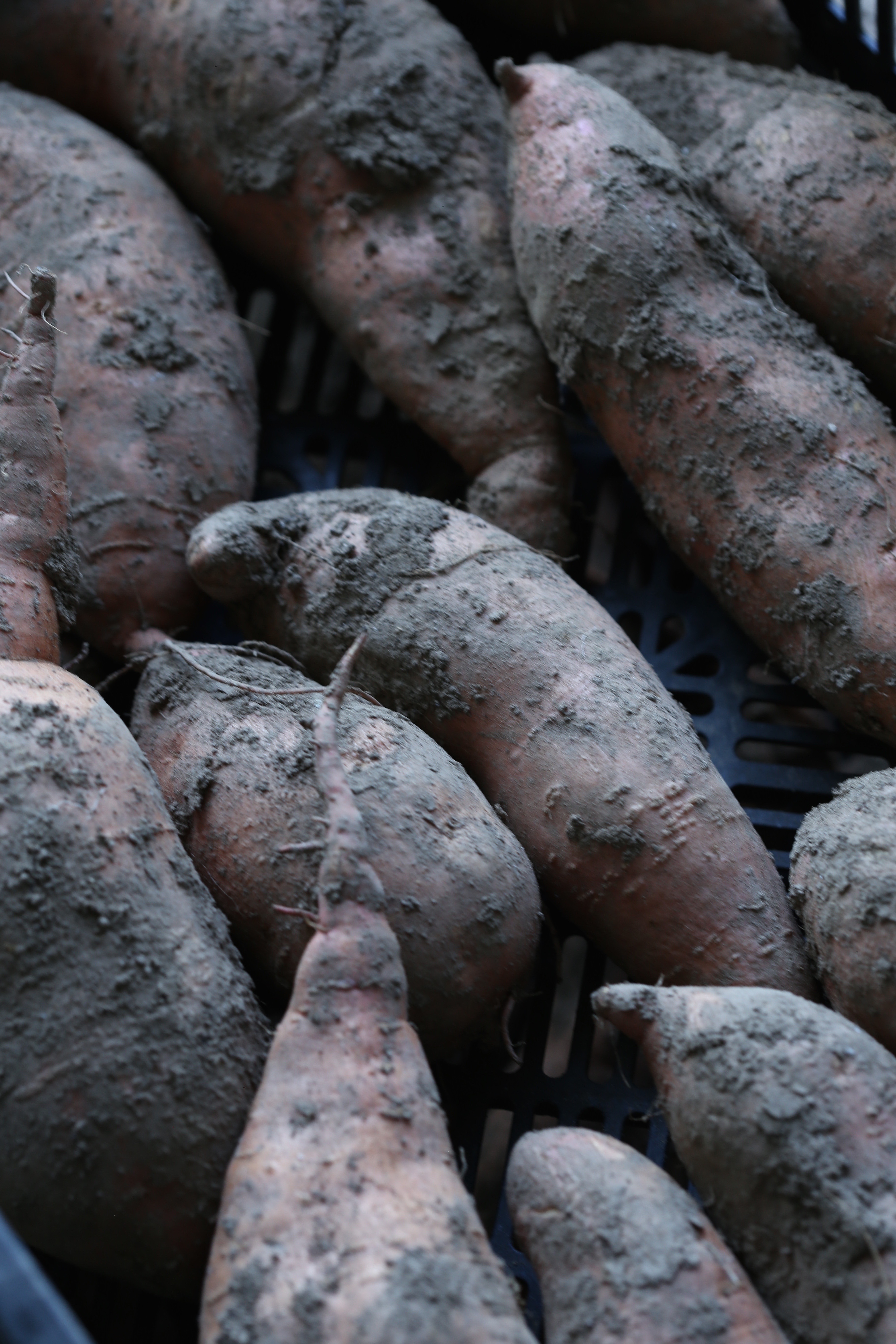 We harvested the sweet potatoes and pulled up about 40 pounds from the six plants in the bed. So, there you have it, what we have been up to the last couple of months. Come back and visit soon!
 Rhubarb is not easy to grow in the south. The high heat and humidity make it challenging for this Siberian transplant. Some of the varieties can survive in our area, Nashville zone 7a, such as Victoria, Canada Red, Cherry Red or Valentine, but afternoon shade is the key. Plant the crowns on a Northern slope or in an area that gets shade in the afternoon so that the soil temperatures stay cooler, be sure it gets plenty of water too. In my garden, I have four Victoria crowns growing, the most commonly found variety here in Nashville, and I use large, plastic bread racks to provide shade for the plants during the hottest periods of summer.
 This year, I was surprised at how quickly all of the crowns grew and I was able to harvest some stalks to both make this cake and to freeze for later. One of my favorite cakes to bake is an upside-down cake. Being able to turn a fully decorated cake out of a pan is so much better than having to frost and decorate layers. As beautiful as it is, the stalks made me think of celery-luckily, it didn’t taste like celery!
 This recipe is a work in progress and I am not posting it here but it is based on a Persian Love cake made with pistachios, lemon zest, cardamom and rosewater. To decorate it a little after turning it out of the pan, I sprinkled chopped pistachios and rose petals around the edges. Because this was a large cake, 9″x13″, I took it to a Master Gardener meeting and potluck dinner, I came home with a very small piece; I ate it for breakfast the next day.
 Well, it goes without saying, I have neglected this blog lately. As spring approached, things in the garden at home and in the Demonstration Garden got busy, very busy. As we have worked to prepare the Demonstration Garden, a small team of volunteers worked on getting the word out. The result, a chance to tape two segments for a local TV show,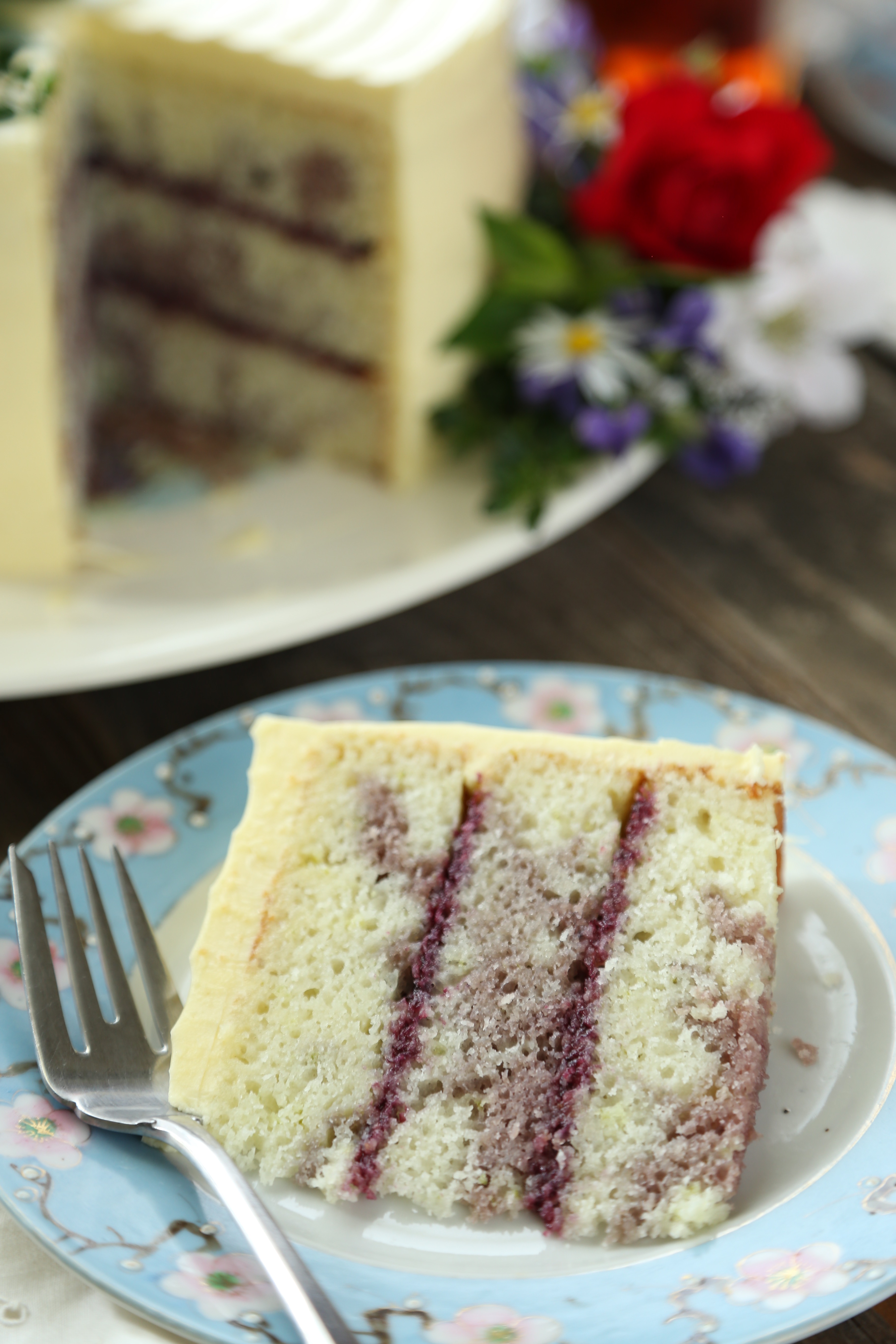

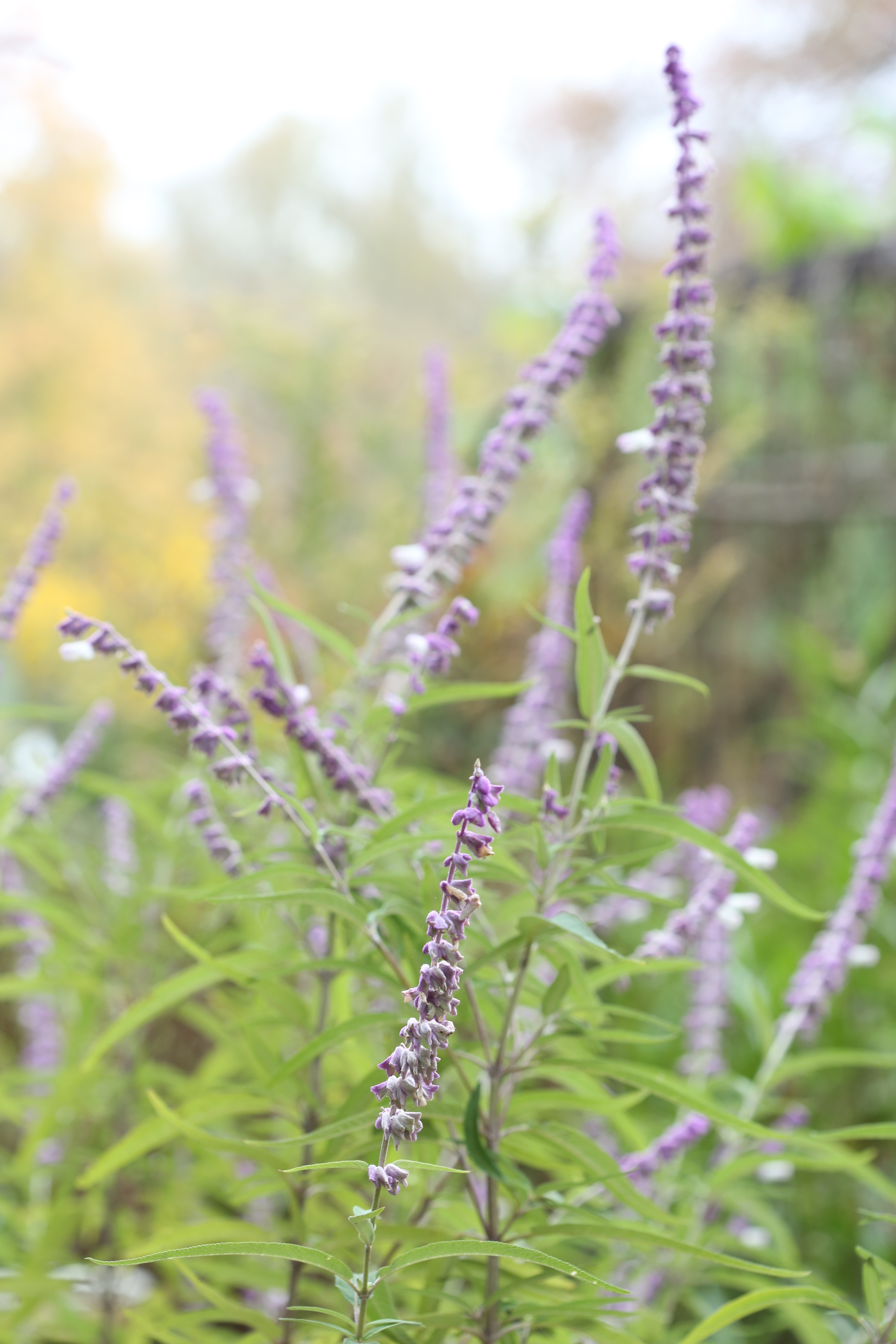 To say it has been cold here is an understatement. Yes, I know that plenty of places are much colder and covered in snow, so what! We moved south to escape snow and frigid temperatures and the last two weeks have been brutal here. So rather than dwell on the cold or debate who has it worse and all that, let’s just look at photos from the fall taken out at the Demonstration Garden in Ellington Ag Center. Before the frost. When it was still warm… Mexican Sage in bloom.
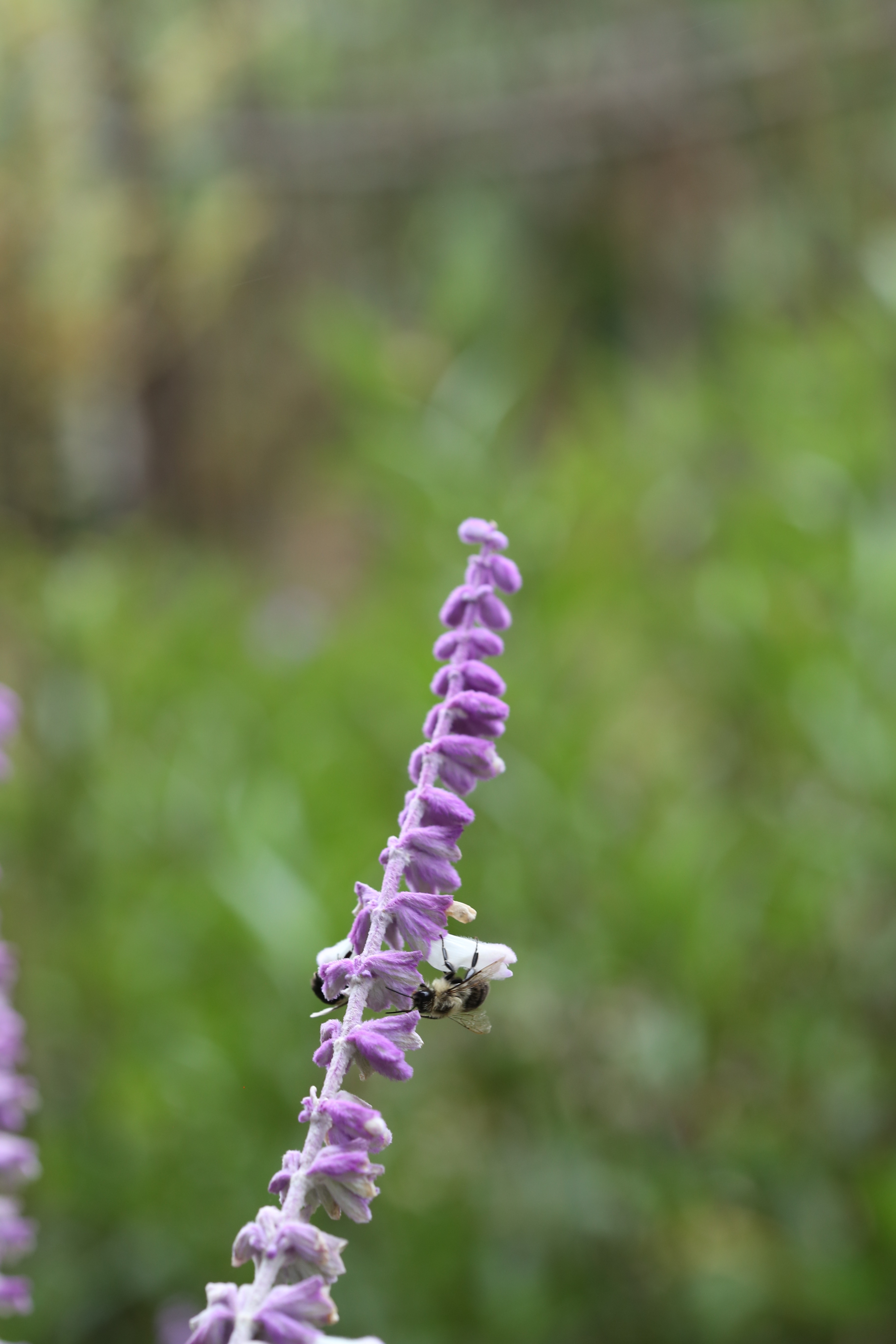 Love the fuzzy blooms, so do the bees.
 Vietnamese coriander in bloom. So delicate and tiny.
 The swamp monster that tried to eat the garden-Swamp sunflowers in bloom
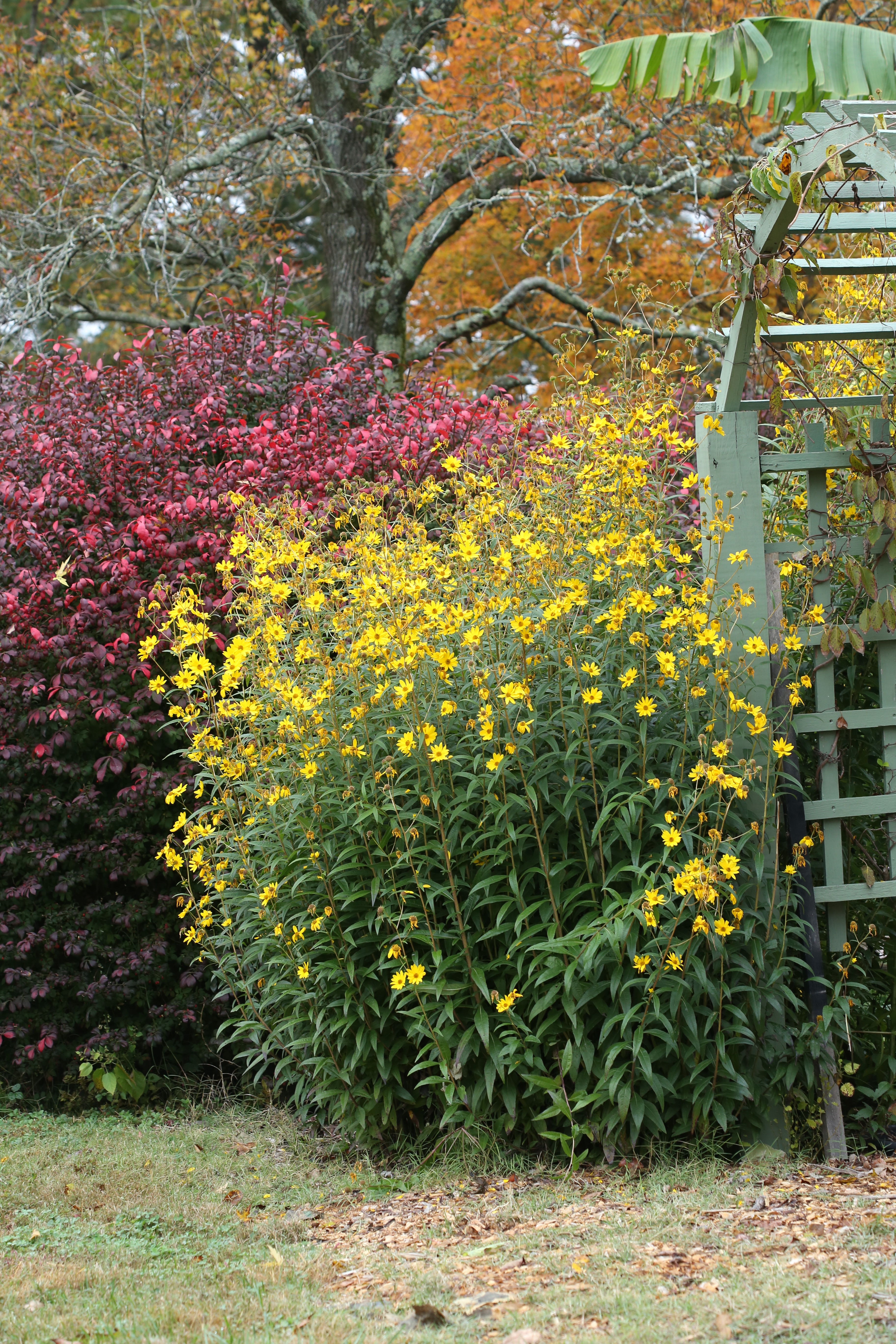 The swamp sunflowers were about 8 feet tall and they are spreading out. Don’t they look beautiful with the Burning Bushes?
 Want to plant something that bees and hummingbirds love? Fill your garden with salvias and one of my favorites is Pineapple Sage. The leaves smell like a pineapple lifesaver candy when you rub them and they are edible meaning you can use them as you would most other edible herbs. Honey bees love them and if you have a colony nearby, you might just find enough of them in it to make the whole plant buzz and vibrate. Hummingbirds will visit them too but only if they stay in your area through the fall. Pineapple sages tends to put this show on late in the season and this was taken around the first week of November.
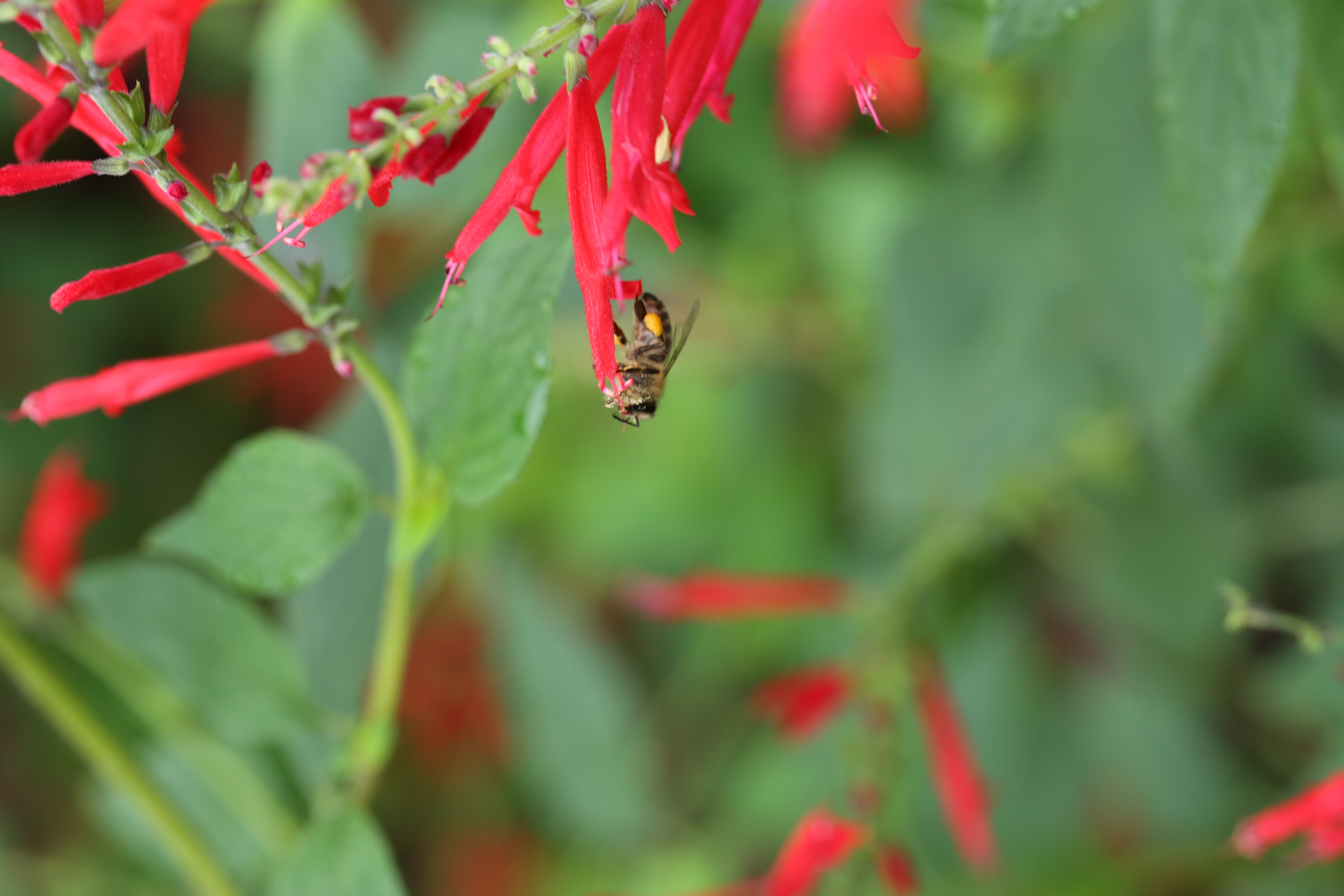 Just look at those pollen baskets!
 We built this out at the Bee Garden and we are hoping that beneficial insects are nesting here.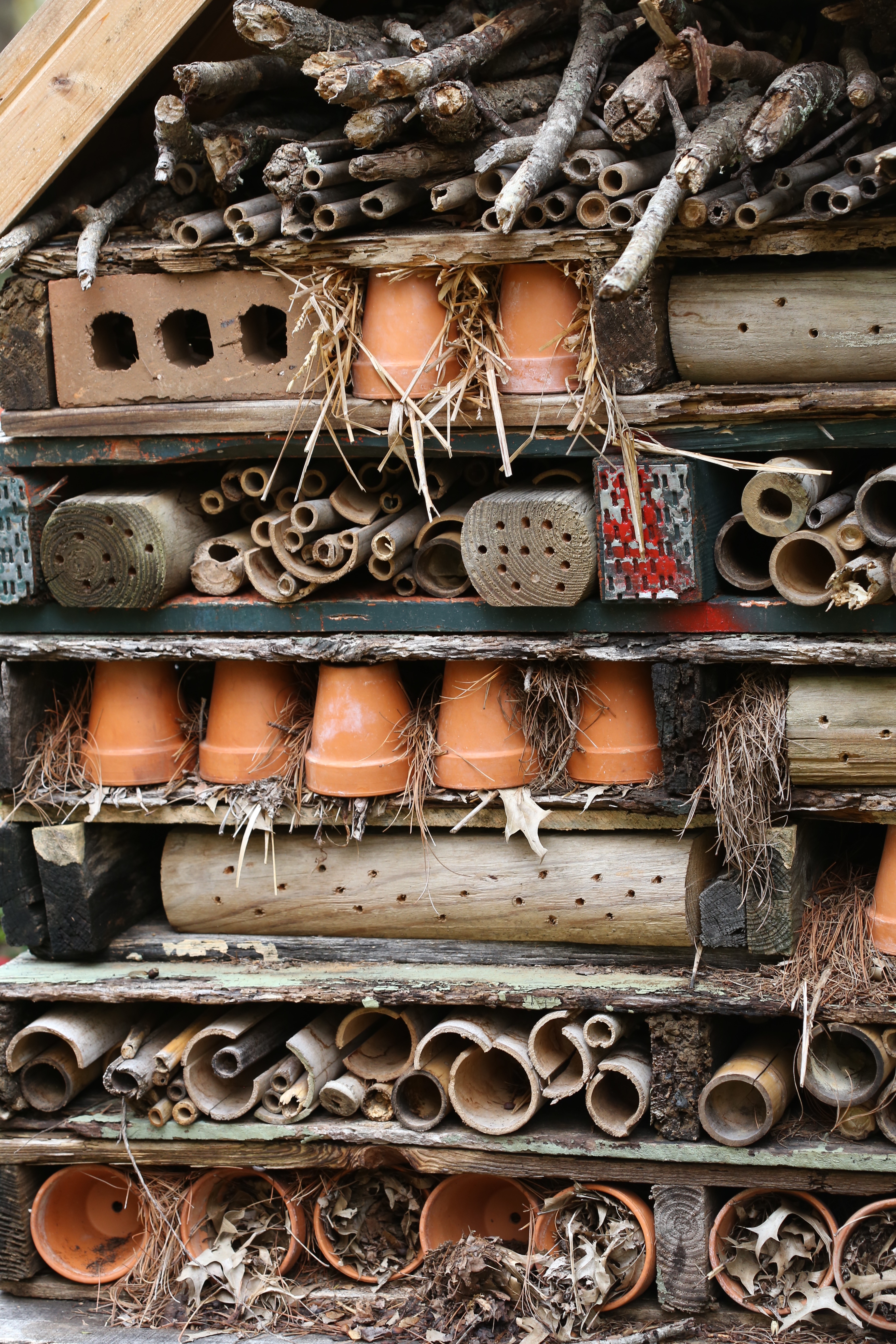
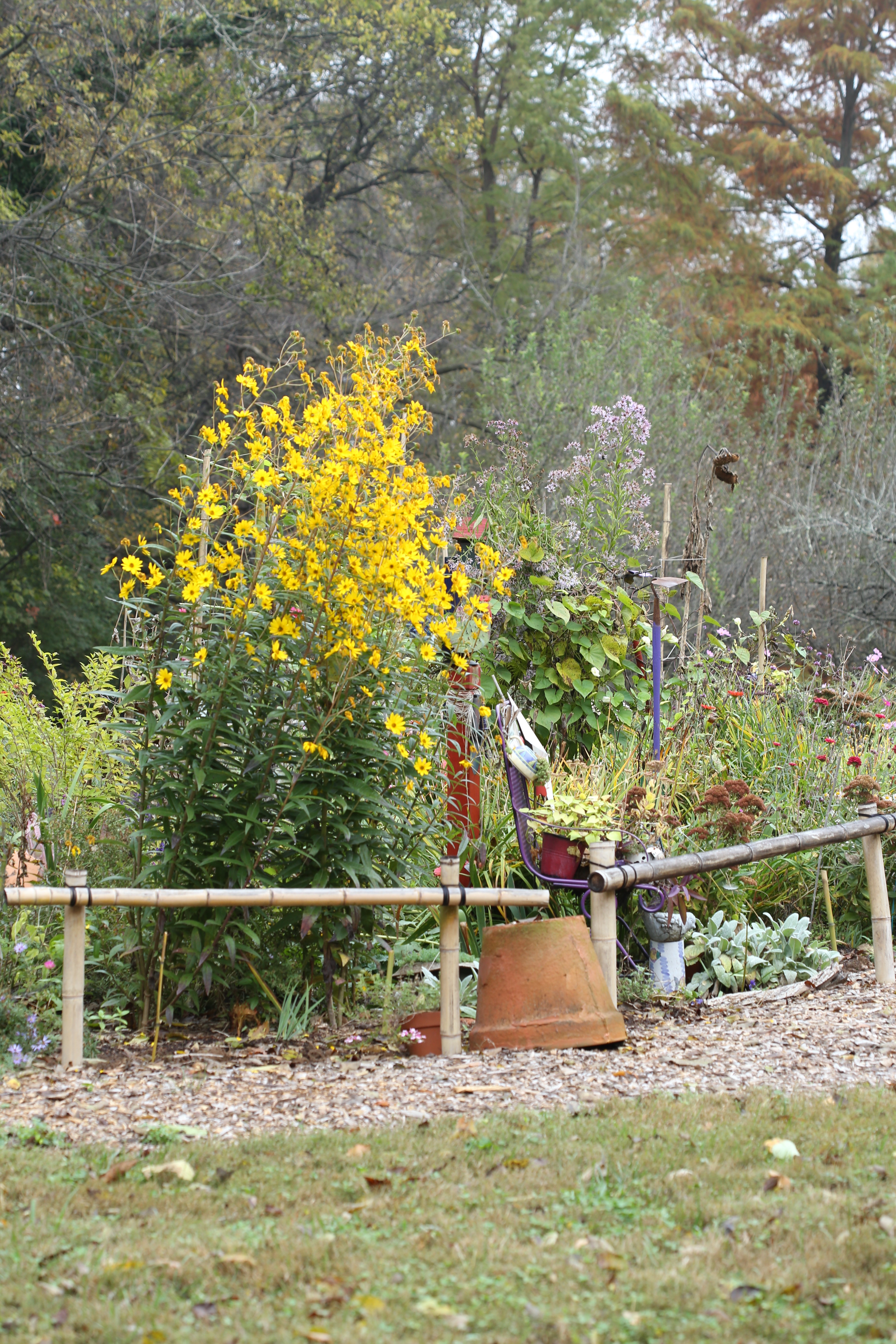 This garden is just full of color and blooms.
 Our climate here allows for tropical plants to grow and thrive during the warmer months but the fruit never has a chance to mature and ripen.
 We can only dream about bananas; these did not make it and were killed by frost shortly after I took the photos but while it was blooming, the wasps and bees loved the nectar and pollen.
 Rhubarb is not commonly found in southern gardens. The intense heat and humidity just do not suit the plant well. In the demonstration garden, we have learned that the best way to grow it is to plant it in an area that does not see the intense light and heat of afternoon sun. In the back of our vegetable garden, we have a shady area and in it are two rhubarb plants that are a green variety which seem to be better suited to our growing conditions.
 Color is not generally an indication of sweetness in rhubarb but the manner in which it was grown can be. Hot house rhubarbs that have been forced are generally sweeter than those grown outdoors naturally. This crop was pretty tart and I decided to let it macerate in sugar before adding it to the cake.
 Having chickens in our own garden has been a wonderful experience. When we moved into the new house, we added a few more and the littles have begun laying! We have one Americauna hen who has been laying tiny green eggs. We haven’t had the heart to crack them yet, but at the rate we are going, we will have to or run the risk of being buried in a pile of eggs.
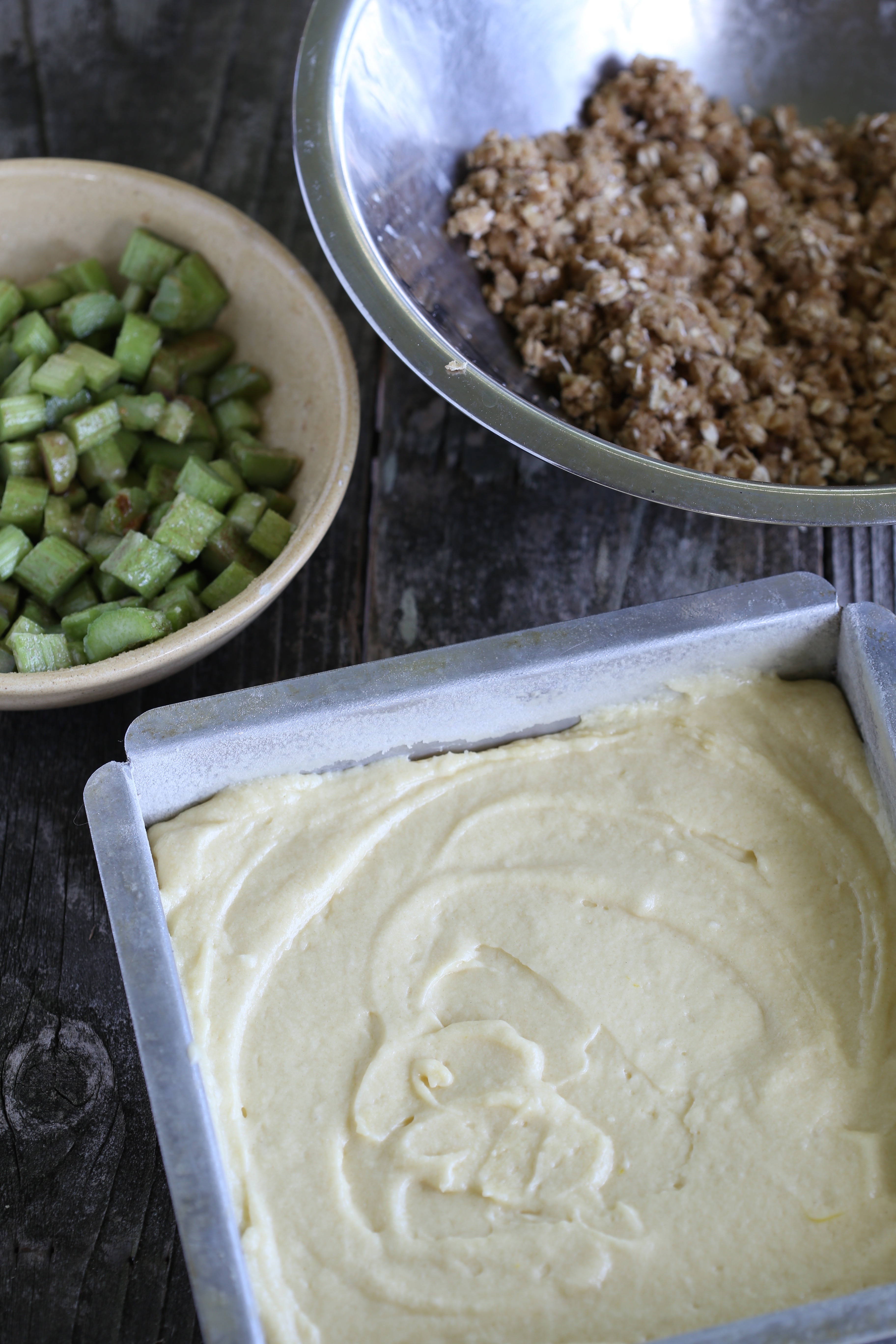 Buckles are one of my favorite summer fruit cakes. This particular recipe is so versatile that by making simple substitutions, you can have a completely different cake each time! This time though, I kept it pretty simple and just substituted rhubarb for the usual sour red cherries.
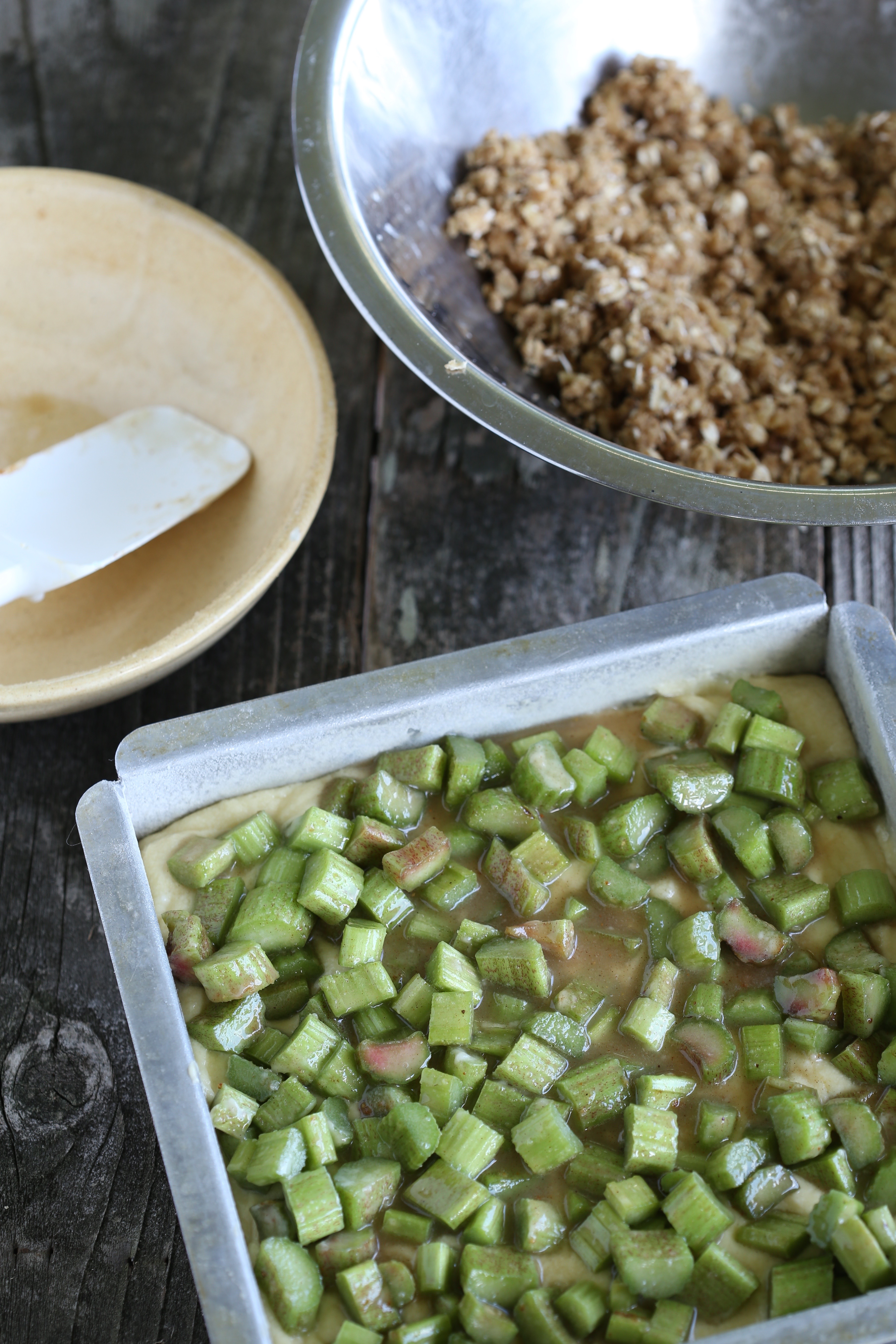 The name “buckle” comes from the manner in which some of the fruit sinking while some of the batter rises up during the baking and this can give the cake a “buckled” appearance.
 With the final addition of a walnut crumb topping, the cake was ready to go into the oven.
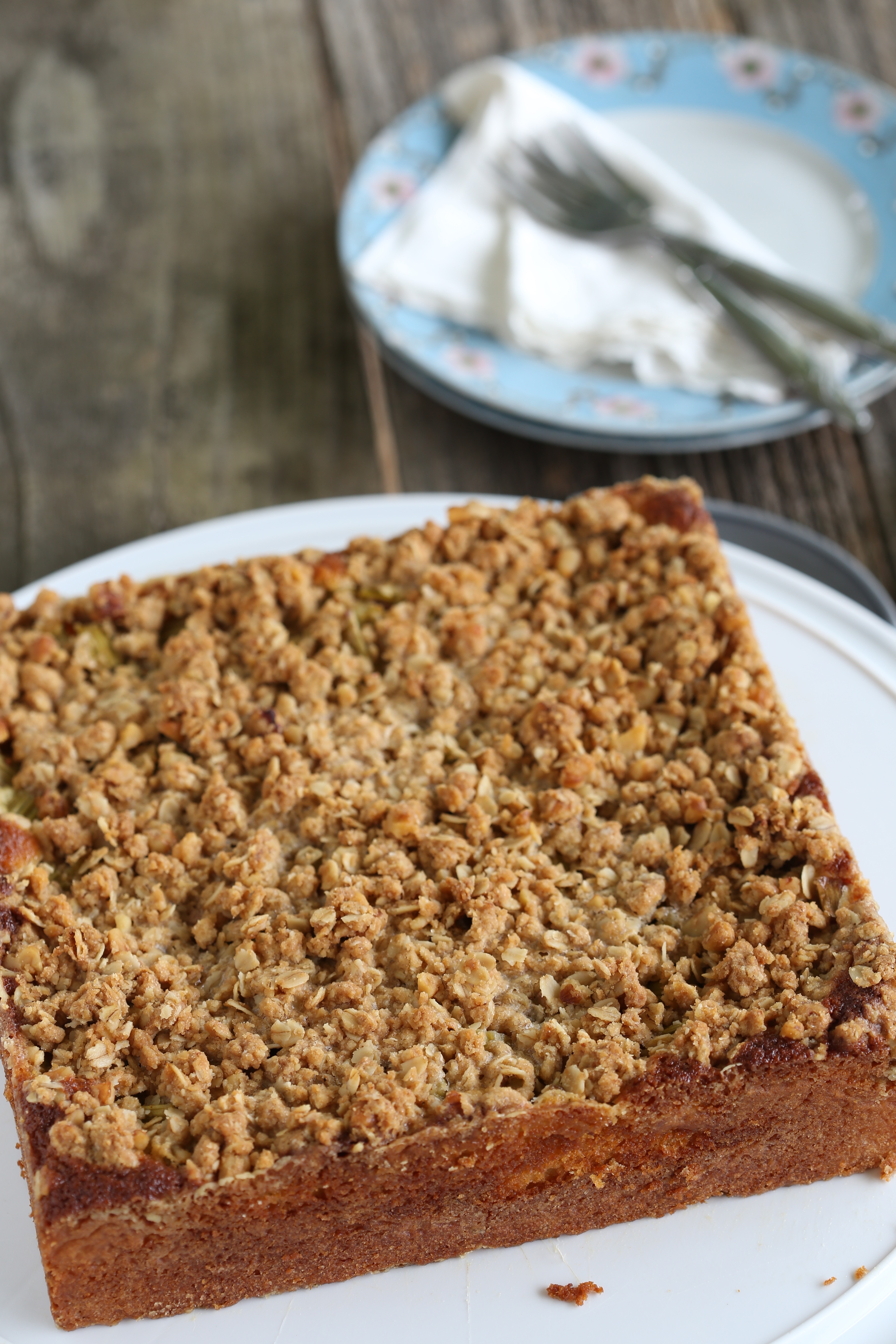 The buckling I was hoping for was not as pronounced and I suspect that it may have needed to macerate longer or I may need to increase the amount of rhubarb in the recipe. Looks like I will have to make another soon to test the theory! Despite that, it did make a nice sweet-tart layer of filling between the cake and the crumbs, the perfect treat after spending several hours digging and pulling weeds.
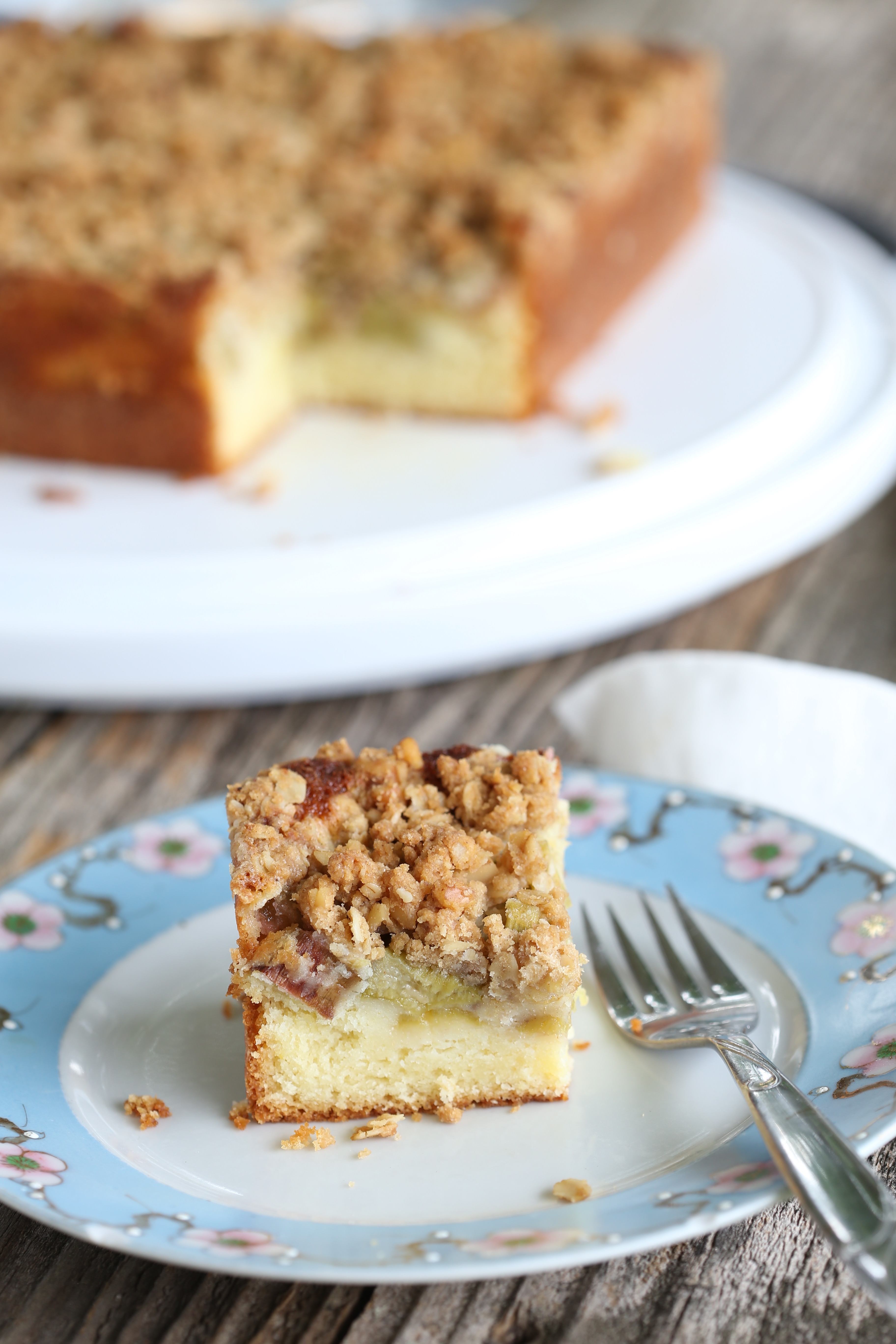 Fresh Rhubarb Buckle


 Let me just say that I am not a landscaping expert. My first idea was to shingle the rocks starting at the top. The thought was that the flow of water would be slowed down from hitting the cracks and crevices created by the rocks. It did slow the water but it also created many little pools of water and as I stood out there in a down pour watching, I realized that I needed to try it in reverse order.
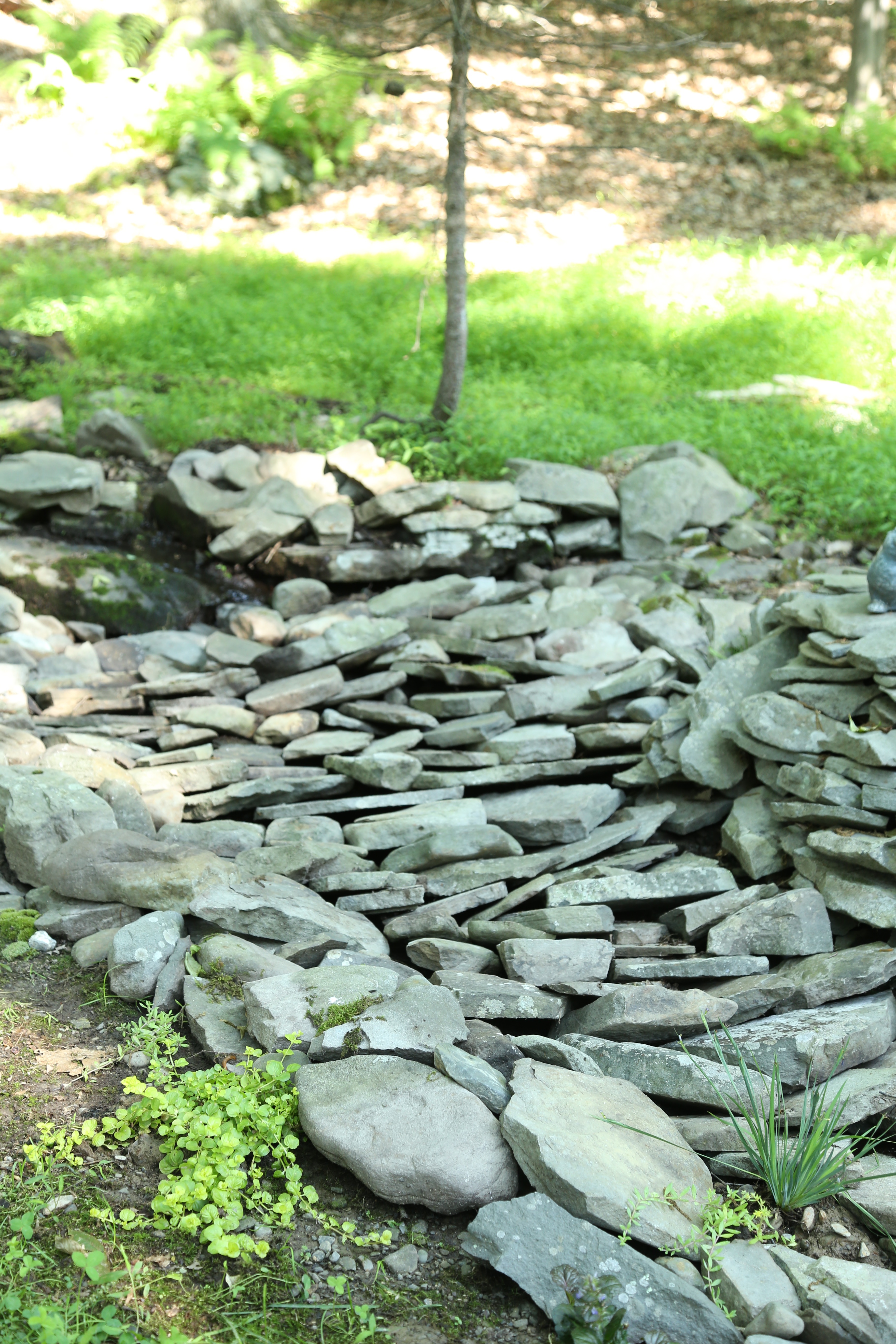 Because I had previously hauled all of the rocks to the stream, reversing them was a fairly quick task. For my second attempt, I started at the bottom and shingled them upwards. So far, it seems to work better but I suspect that in time, I will have to come back and truly dig out the stream bed to create a deeper channel that I can line with rocks. For now, this works.
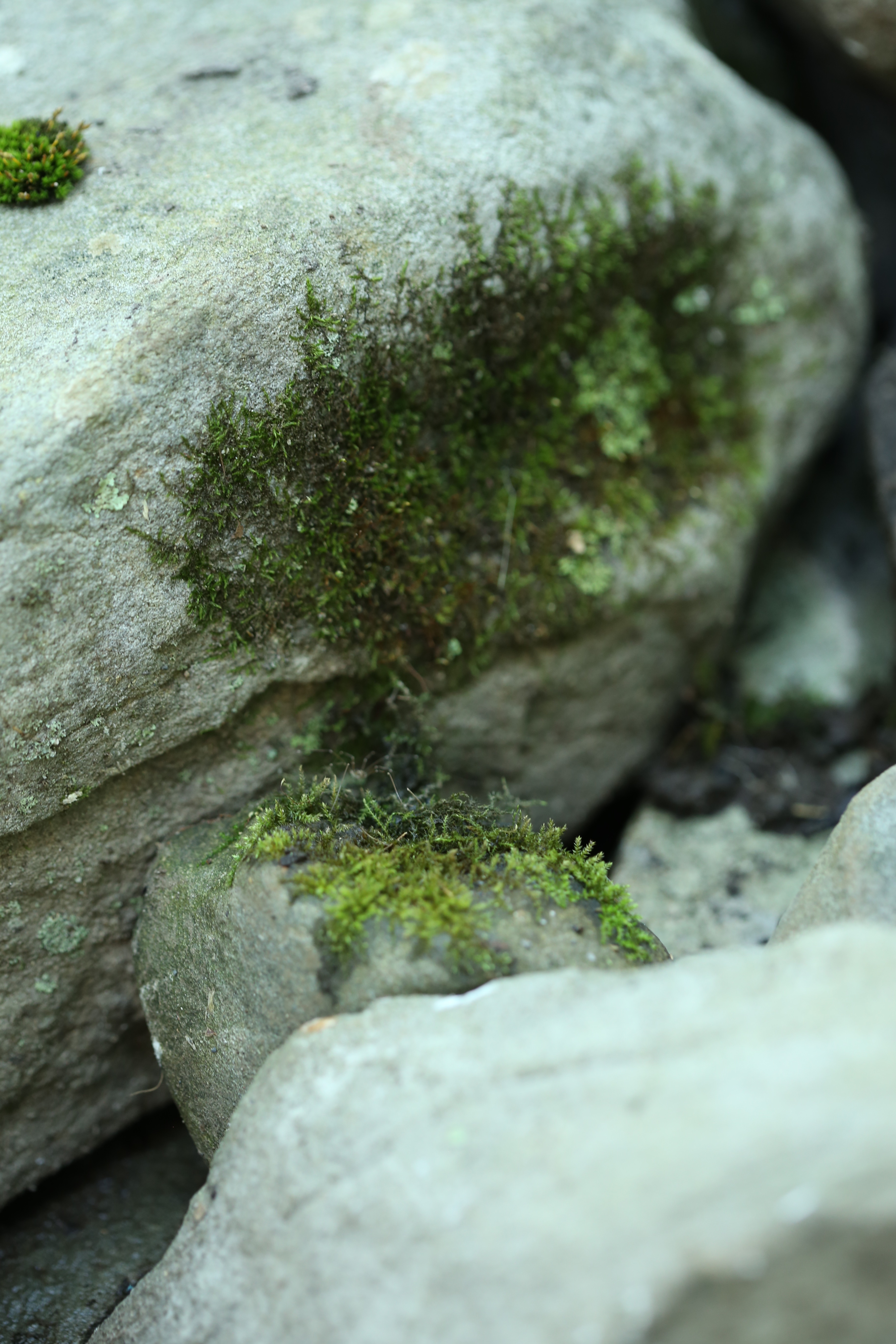 As I gathered rocks, I tried to pick them for shape and color but also for moss.
 Lichen also makes nice markings on the rocks.
 Because this is a mountain stream, mosses were a must and there is also no shortage of it here.
 By carefully digging out small ferns, I was also able to add them to the rocks.
 Once the stream was finished, I began working on the pond area. The person who built the stream bed had it all flow down hill into a small pond which acts as a basin to hold most of the water. The area is terraced and has a dry bed as well as a wet bed where the water from the stream flows in. Almost the entire yard is shaded or has dappled sun light which makes it easy to use plants like hostas but beware, deer will eat them and the pond is fenced in to keep them out.
 The flowers on shade plants generally are not as showy as their sunny counterparts. This tiny spike of pink blooms on the Tiarella Pink Skyrocket, commonly called Foamflower, it your reward for taking the time to look closely at the plants in the garden.
 If you recall, about a year ago, I posted here about my mother’s garden. In that piece, I mentioned how she is a gardener of things rather than plants. This meant that I spent some time rearranging the statues in the garden as well.
 In the wet area of the pond, I had the chance to plant some water lovers; Iris versicolor Blue Flag and Iris sibirica Sparkling Rose. Keeping them company is a Ligularia stenocephala Little Rocket (commonly called Leopard plant or Ragwort), Lobelia speciosa Vulcan Red (commonly called Cardinal Flower), Pulmonaria Raspberry Splash (commonly called Lungwort), Phlox divaricata Blue Moon (commonly called Wild Sweet William or woodland phlox) and Astilbe chinensis v. taquetii Purple Candles.
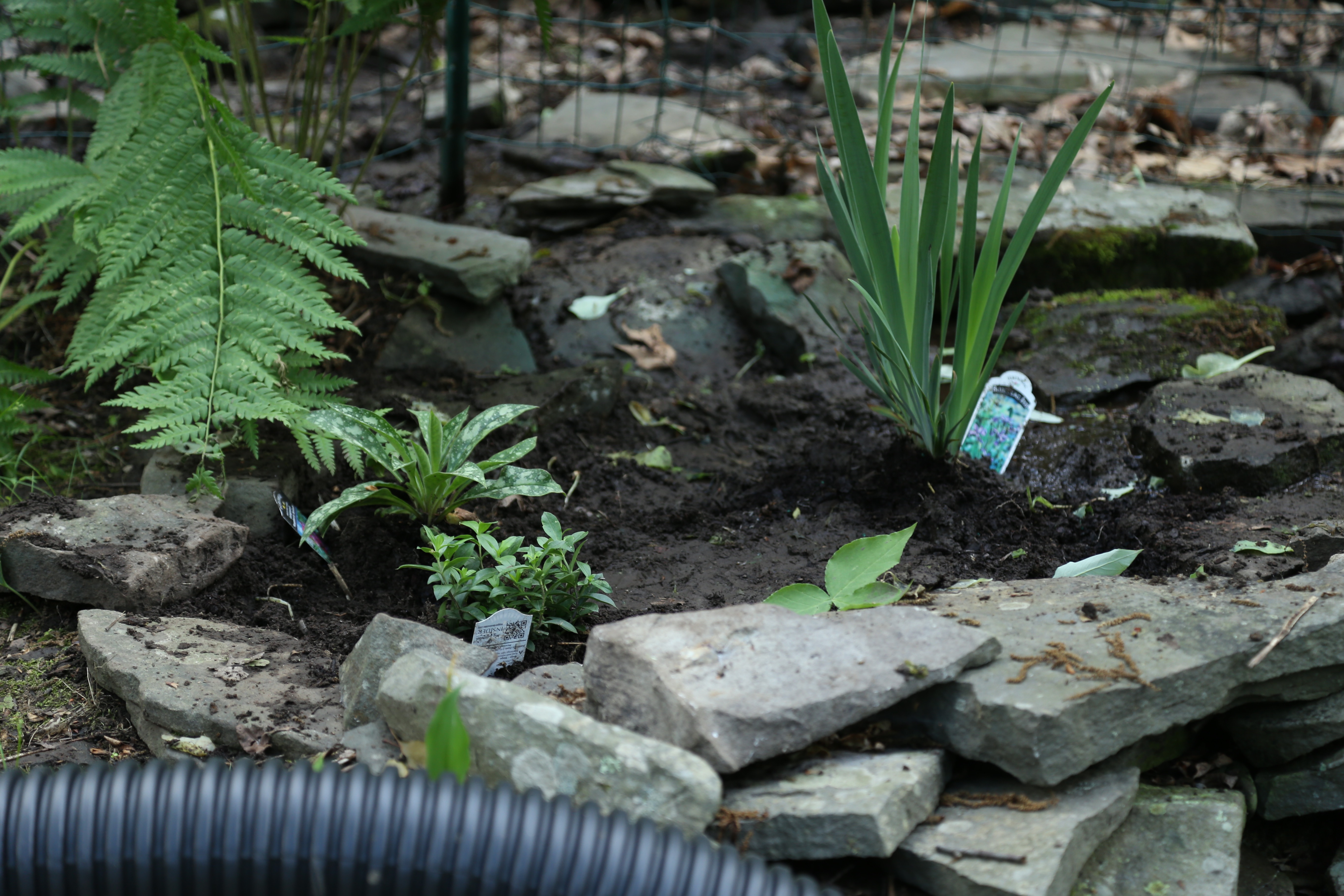 One of the surprises in the yard is the large quantity of native Jack in the Pulpits growing. With a small trowel, I carefully dug a few smaller specimens up and moved them into the wet area as well and near the center of the photo, you can see the trio of leaves from a single plant.
 Ligularia in bloom makes a statement and is large enough to be easily seen from the deck.
 The pulmonaria and the phlox have adapted well to their new homes.
 The cardinal plant has show quite a bit of new growth; the bright green leaves will turn darker with age.
 This is the first time I have tried gardening in my mother”s yard and everything I have planted is an experiment. Between the growing conditions and the deer, I am hoping for success. After seeing the amount of growth on this Cardinal plant in just one week, I am encouraged!
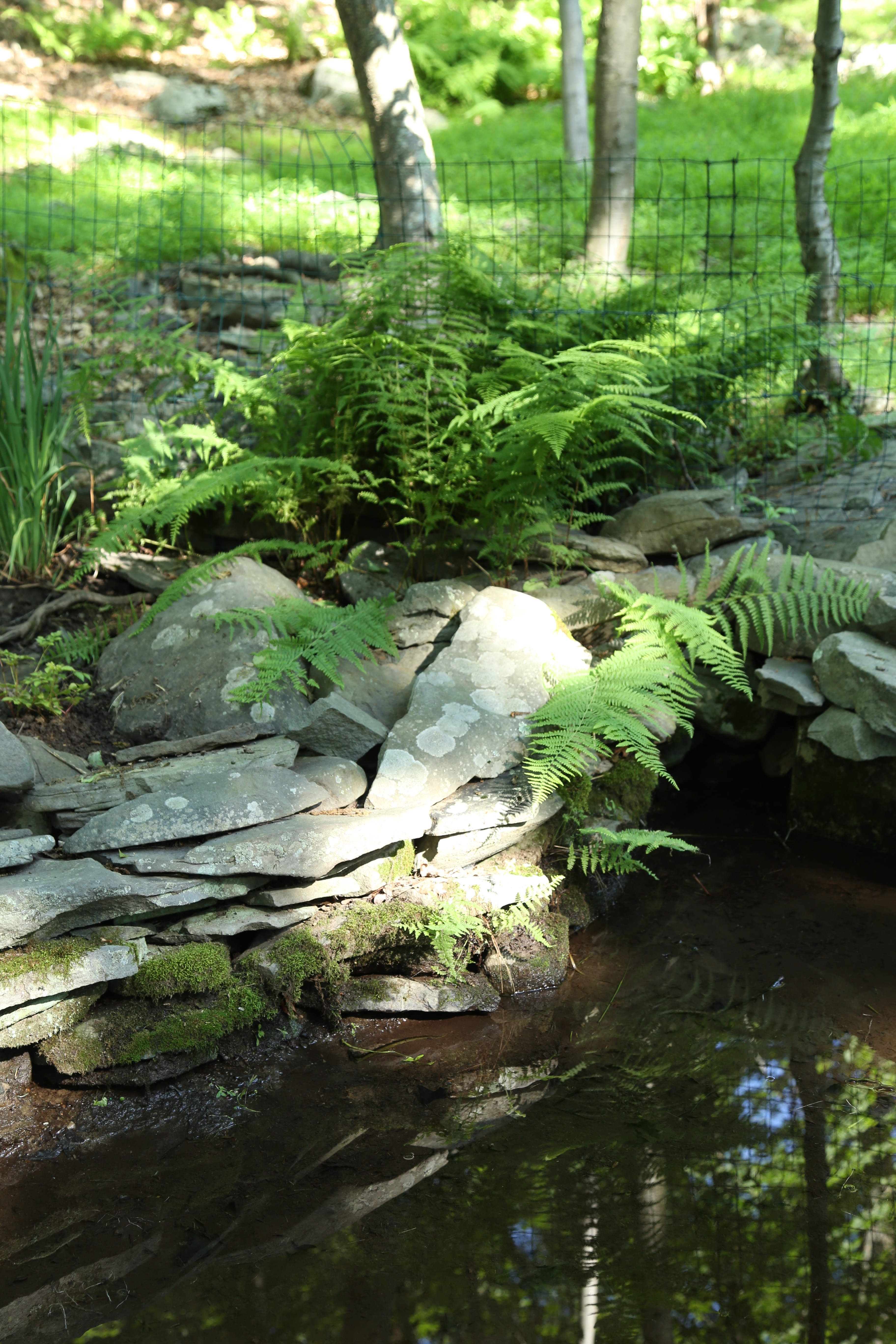 Whoever did all of the stone stacking and terracing gets the blue ribbon! When the stream empties into the pond, it comes over this pile of rocks and collects in the basin which is lined with cement. Years of water have led to lots of ferns, moss and lichens but I think I like the reflection best.
 On my next visit, I hope to bring help with me along with a mattock; that hose needs to go!
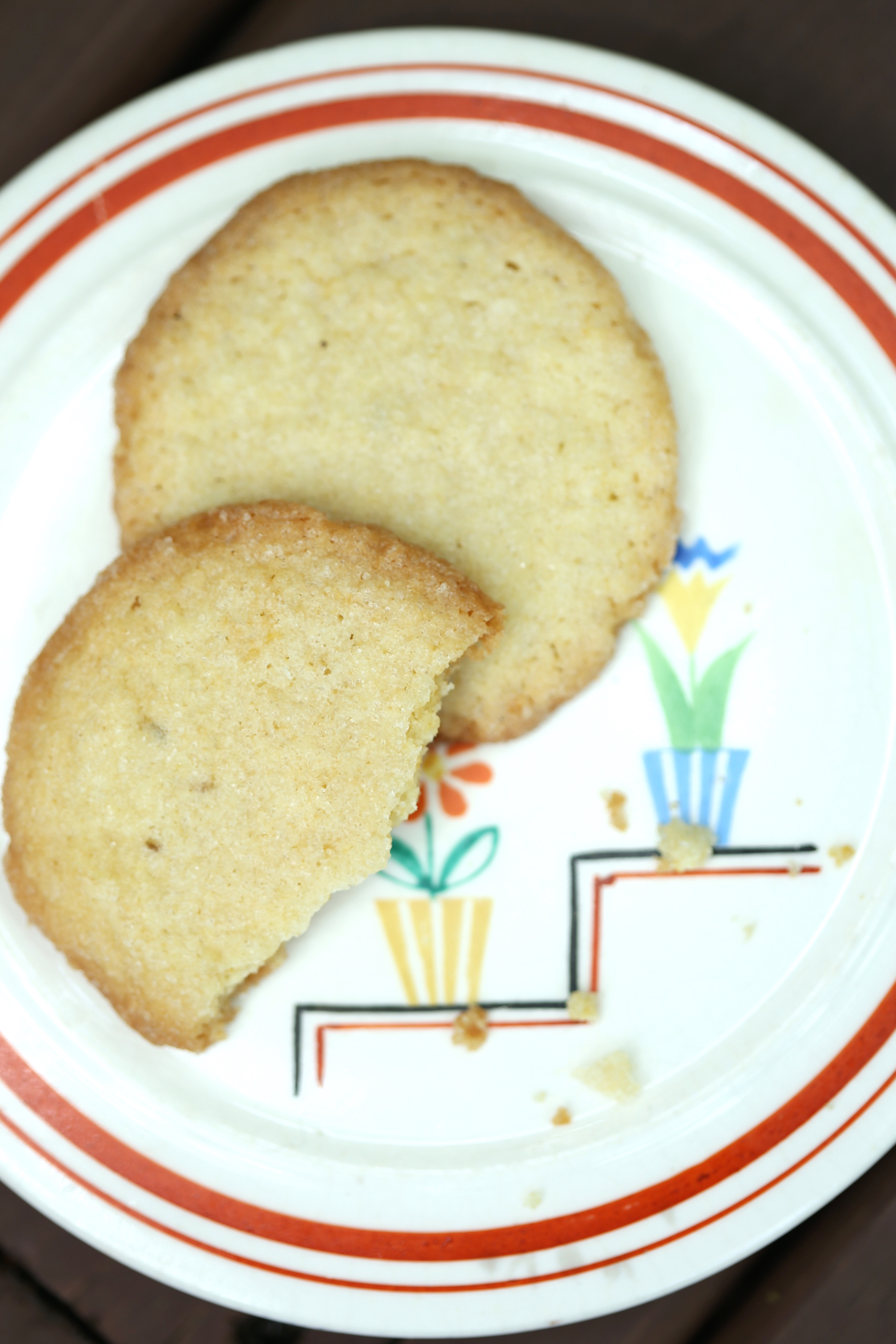 Long story short, I am staying with mom while she recovers from a fall. While out in the yard, she fell, broke her leg and had to have a rod inserted to support the bone. Thankfully, she is well on her way to returning to normal but it will take some time and for the next few weeks, I will be here doing all of the things she cannot do and some of the things she does not care to do, like baking cookies.
 Leaving my garden for a month was rough. We had really just begun to get the summer crops in and there is still much to do to eradicate the bermuda grass. Here in PA, spring is still in the air and the trees have only recently leafed out. In case you haven’t visited this blog before, I have posted photos of
 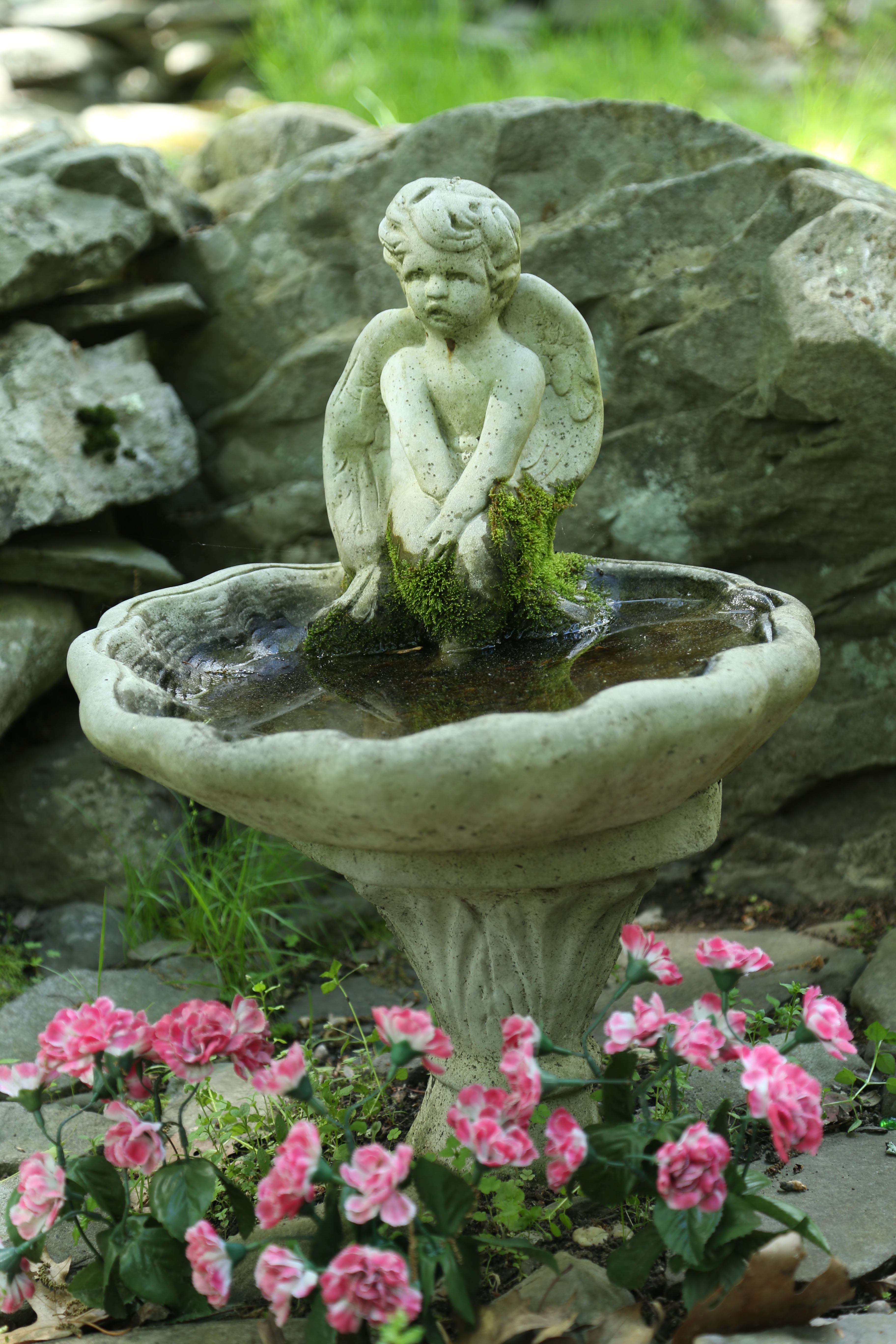 Moss grows all over the yard because it is shady and moist. This little cherub spends his time watching the yard but if he knows what the gnomes are up to, he isn’t telling anyone. He sits and stares in disbelief as raccoons and squirrels come to the basin to drink water.
 This little guy seems to be guarding the front door. We throw peanuts to him from the deck but he usually lets the squirrels eat them.
 The yard is so lush and green right now that the only color that pops out is red.
 All over the yard are these tiny blue blossoms, wish I had my wildflower book with me!
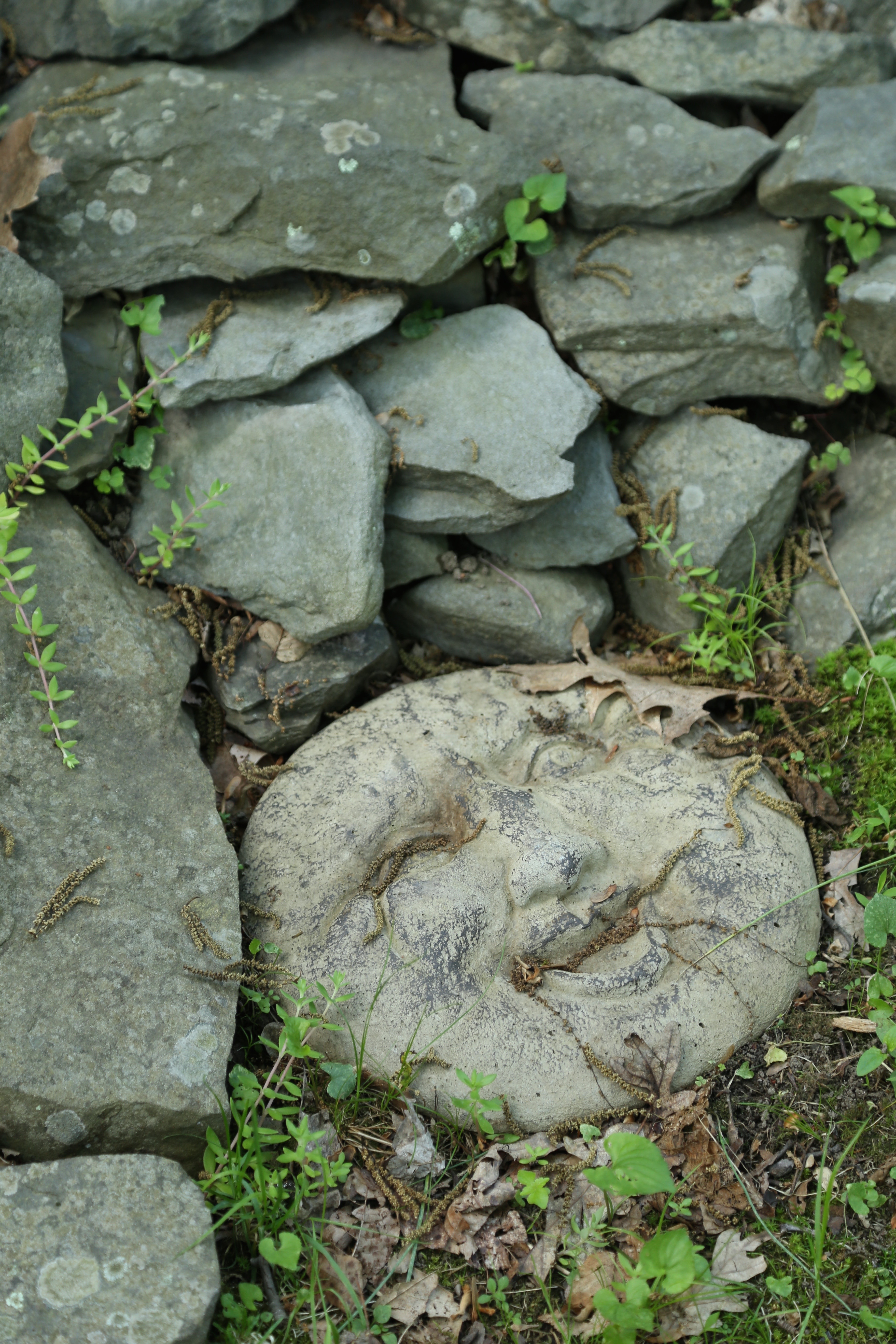 When you walk the yard, you really need to watch where you are going, it is easy to step on the residents. This moon face greets all that visit the pond.
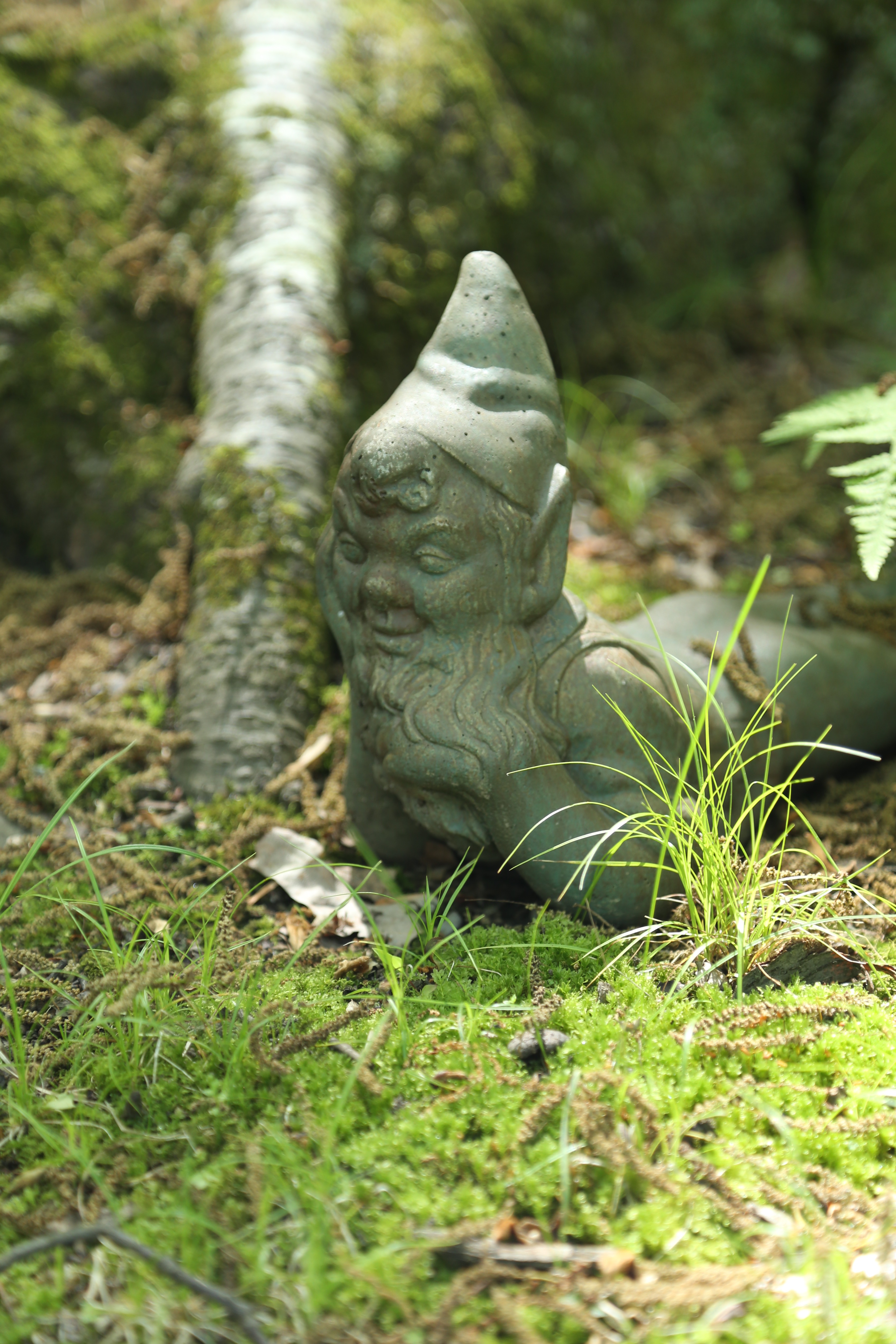 It must be nice to have the time to lounge in the woods all day.
 Mom is not a big fan of chocolate so I made a batch of crispy lemon cookies with a small amount of anise seeds thrown in for fun. Since I do not have my cookbooks here to flip through, I used
 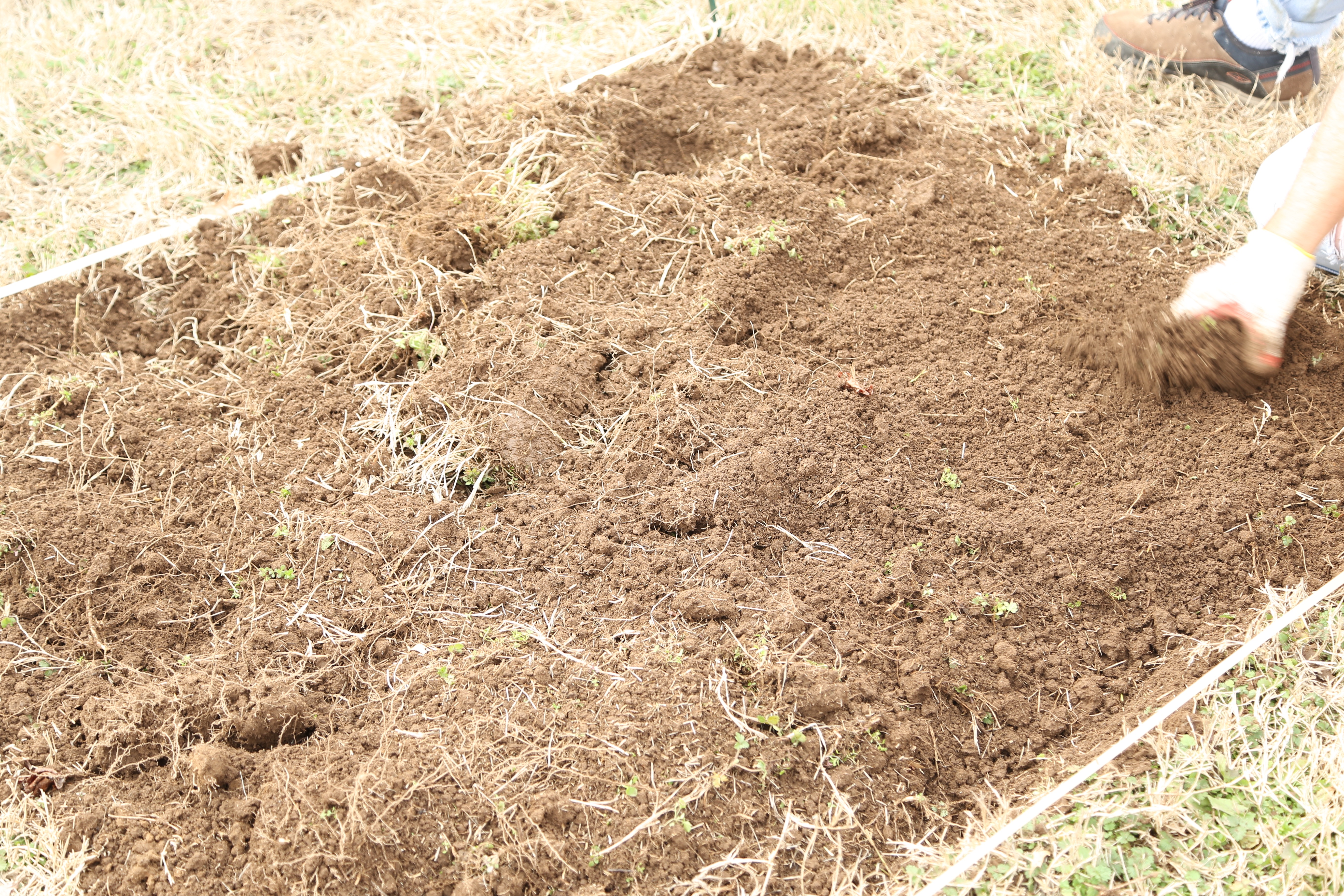 Although the space we have fenced in was once the site of a very successful garden, it hasn’t been maintained in years. Then as if to add insult to injury, some thoughtful person seeded it heavily with Bermuda Grass. Really heavily-inches thick on top with roots half a foot deep. What a nightmare!!! We started the process of building the beds today and in 4 hours time, we only finished 3 (4’x4′) beds. This is going to take a while to do and we may not have much of a garden this spring.
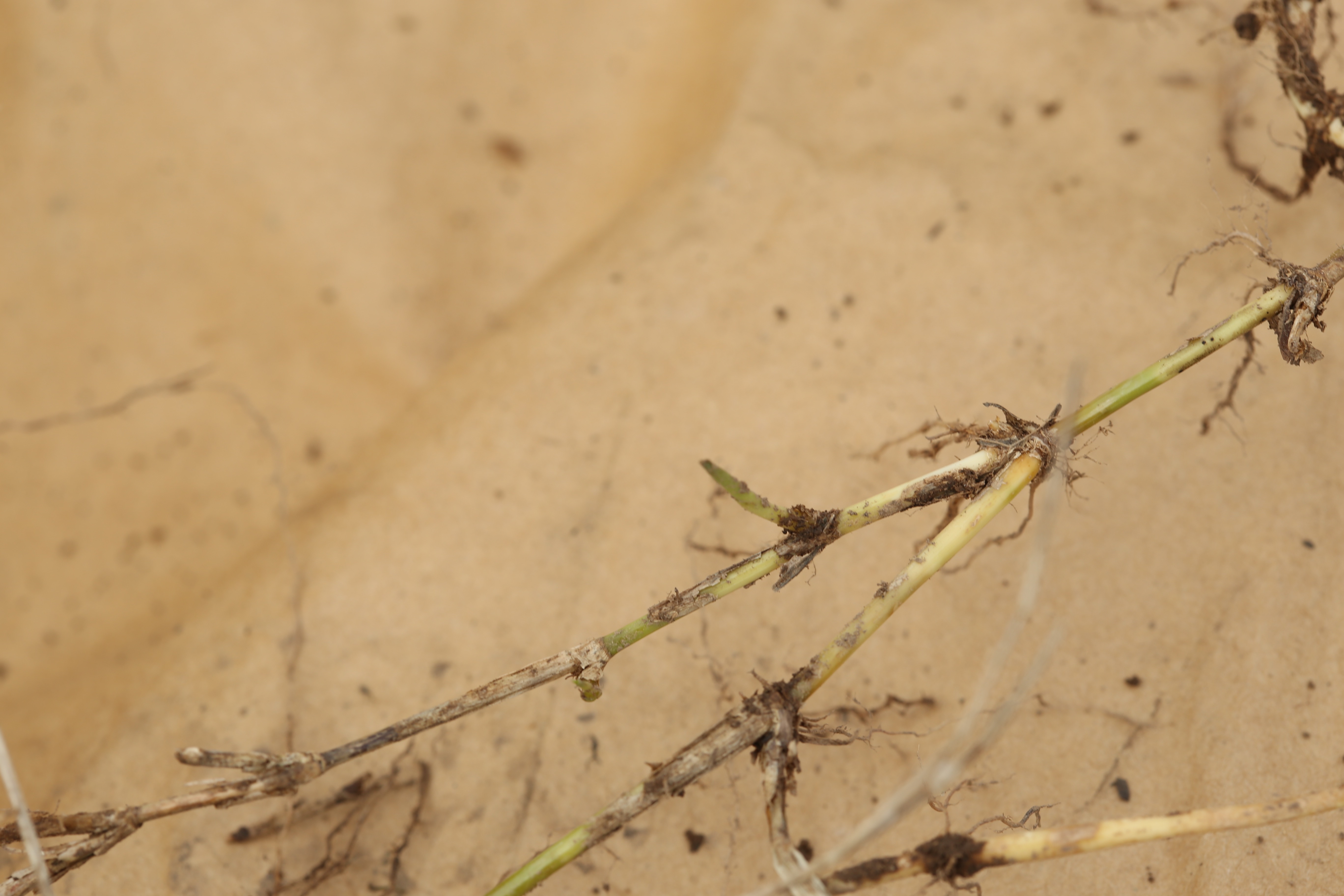 My good friend and fellow Master Gardener Shirley always tells me that Bermuda Grass is meaner than a snake and if you try to rip it out, it gets even meaner. She is absolutely right about that! Each jointed area is a node and it has the potential to become a complete plant. It isn’t enough to just pull it out, you must remove all of the little pieces or you will have lots of new little plants! We spent at least an hour sifting the soil as we turned it to remove as many little pieces as we could.
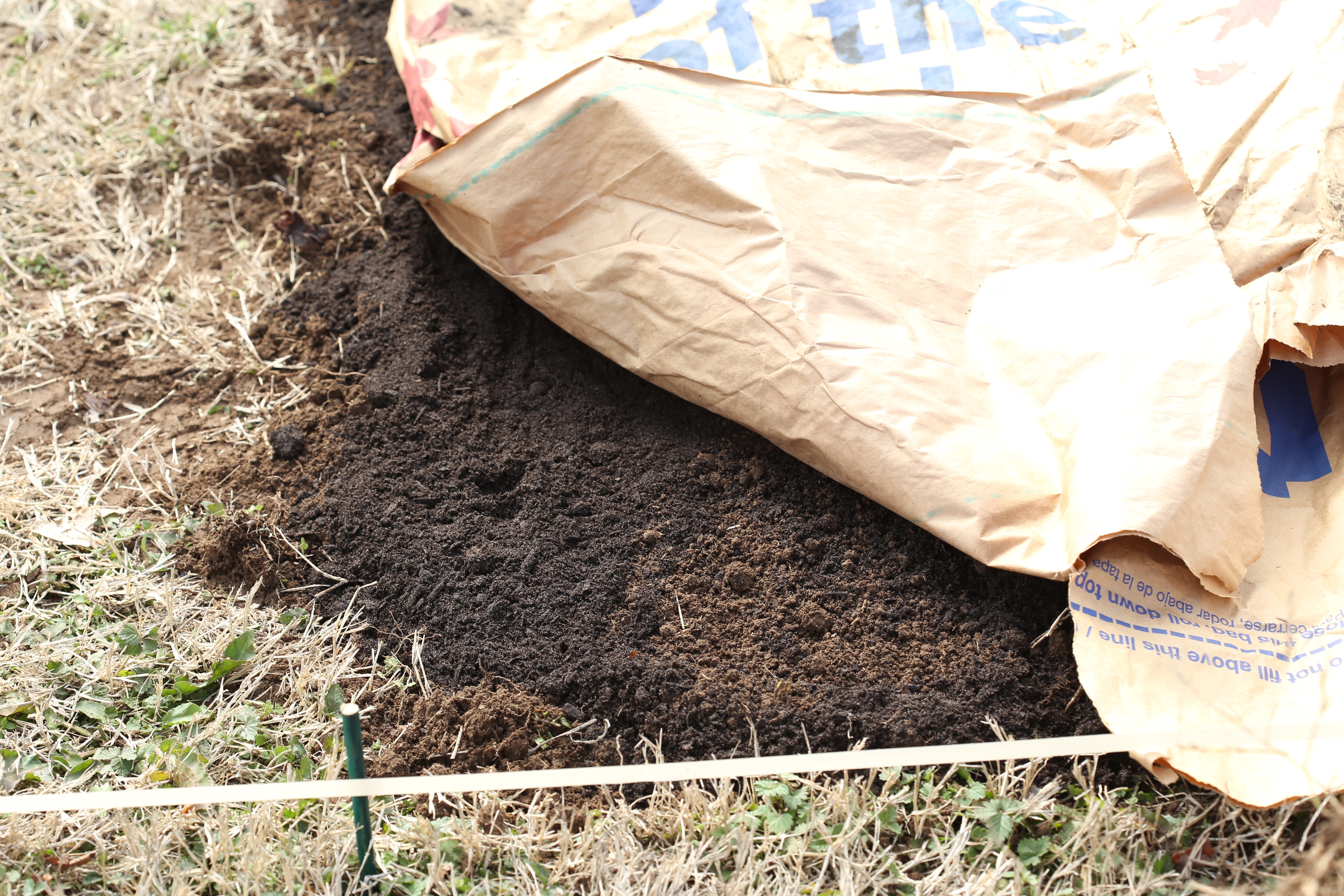 Once the soil was prepped, we spread the contents of a bag of
 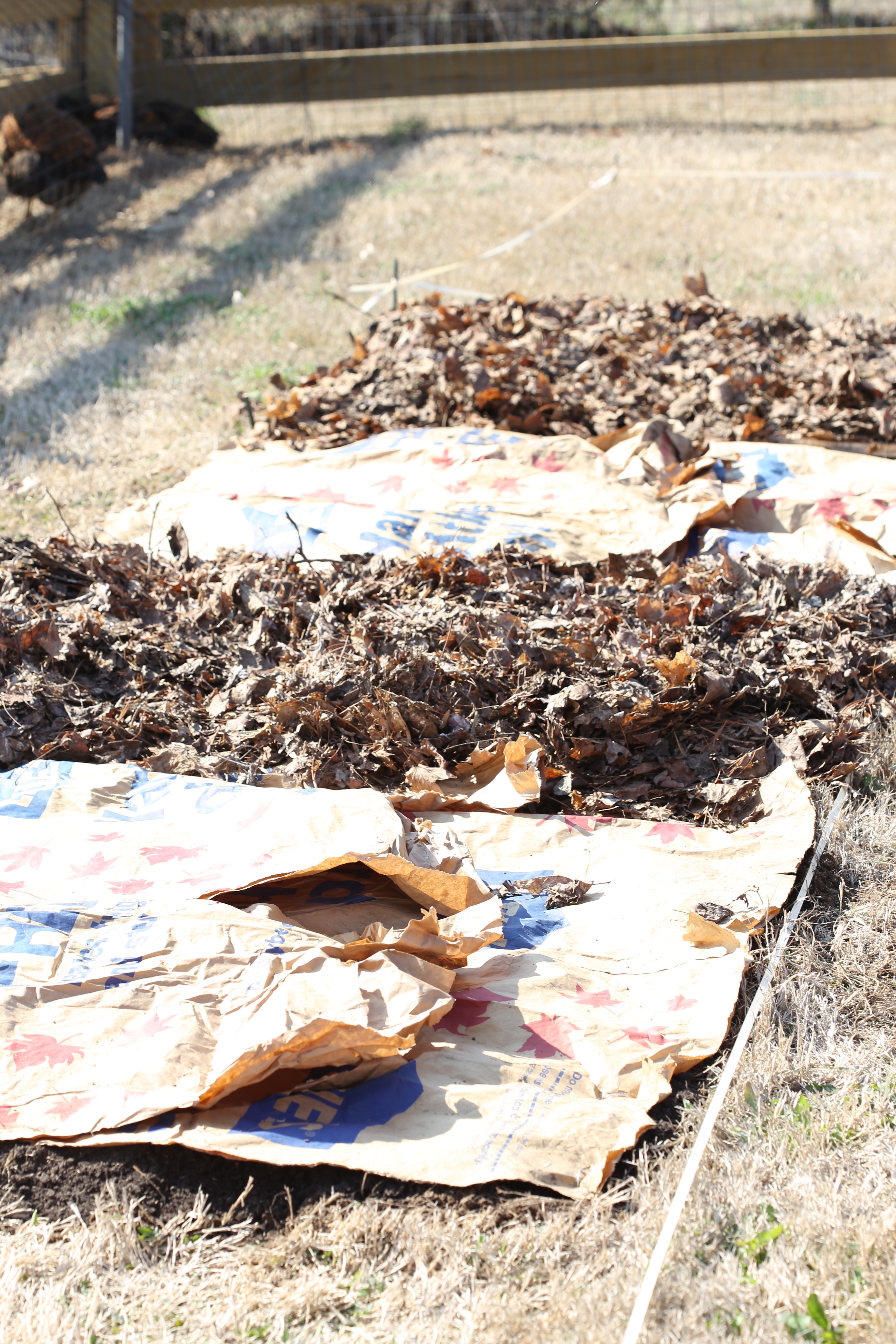 Since we haven’t found an arborist to supply us with wood chips yet, we are using a combination of cardboard and leaves to control the Bermuda Grass in the walkways. Free leaves and cardboard make this project a lot more affordable and keep stuff from going to landfills.
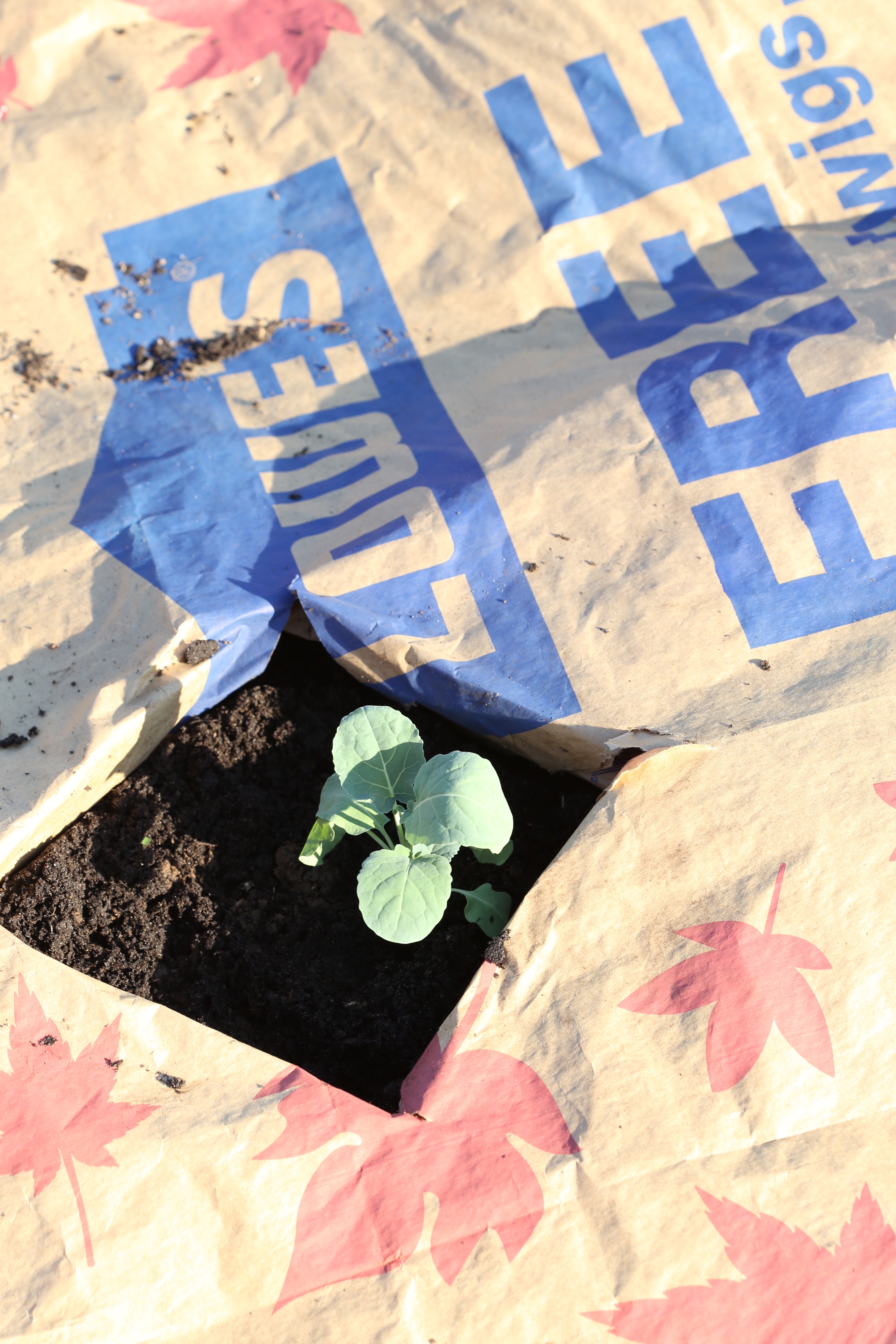 We purchased a dozen broccoli starts to test our method. To plant each start, I cut an “X” in the paper and folded the pieces underneath to create a hole. Then I used my hands to make a hole and plant each start.
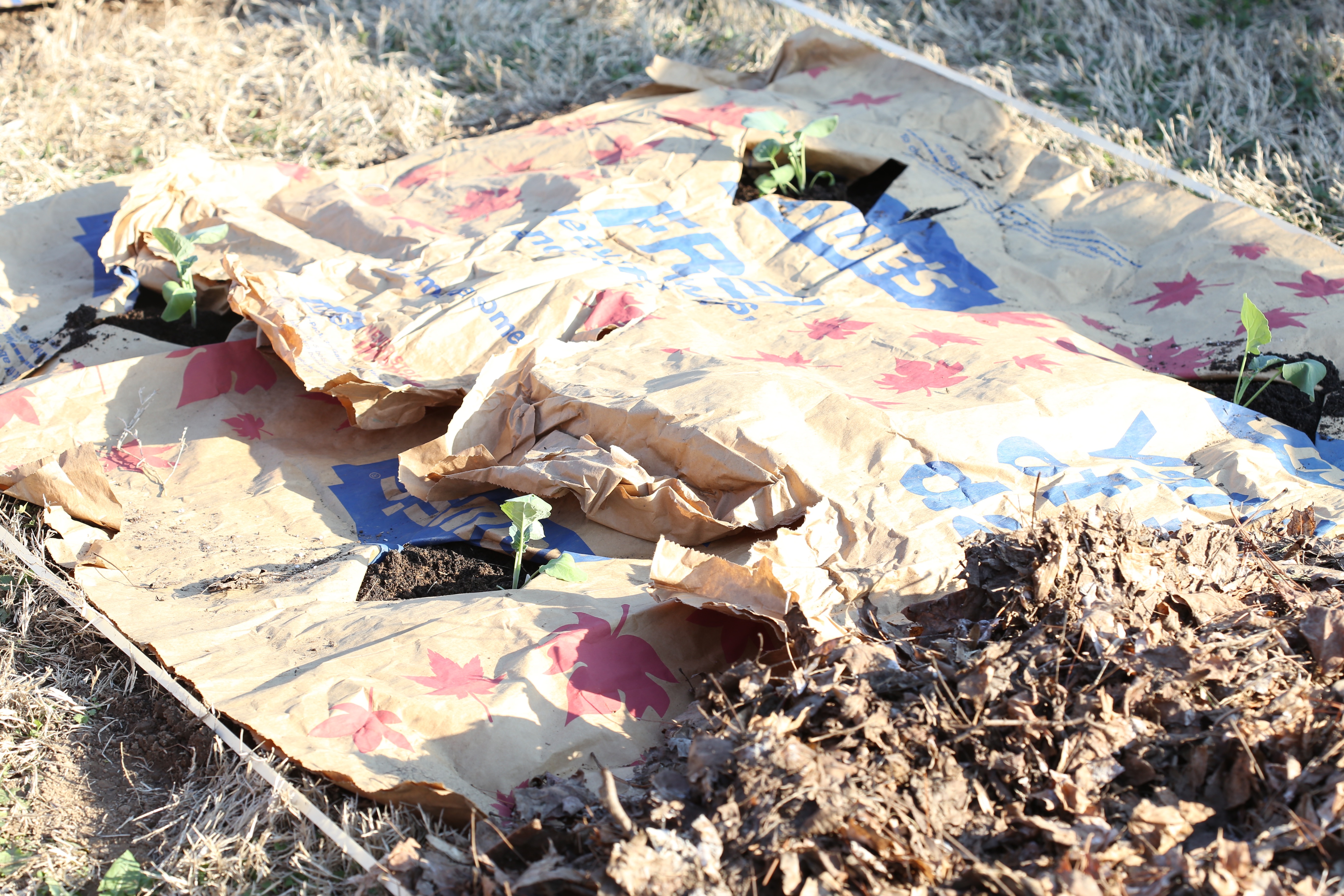 It isn’t the prettiest bed I have ever seen but it should work!
 We are also without rain barrels which means using city water and decided to top each square with straw. If all goes well, this layer of straw will help conserve the water so that we do not have to pay Metro for tap water. The added bonus, the paper and straw will also break down over time and help improve the soil.
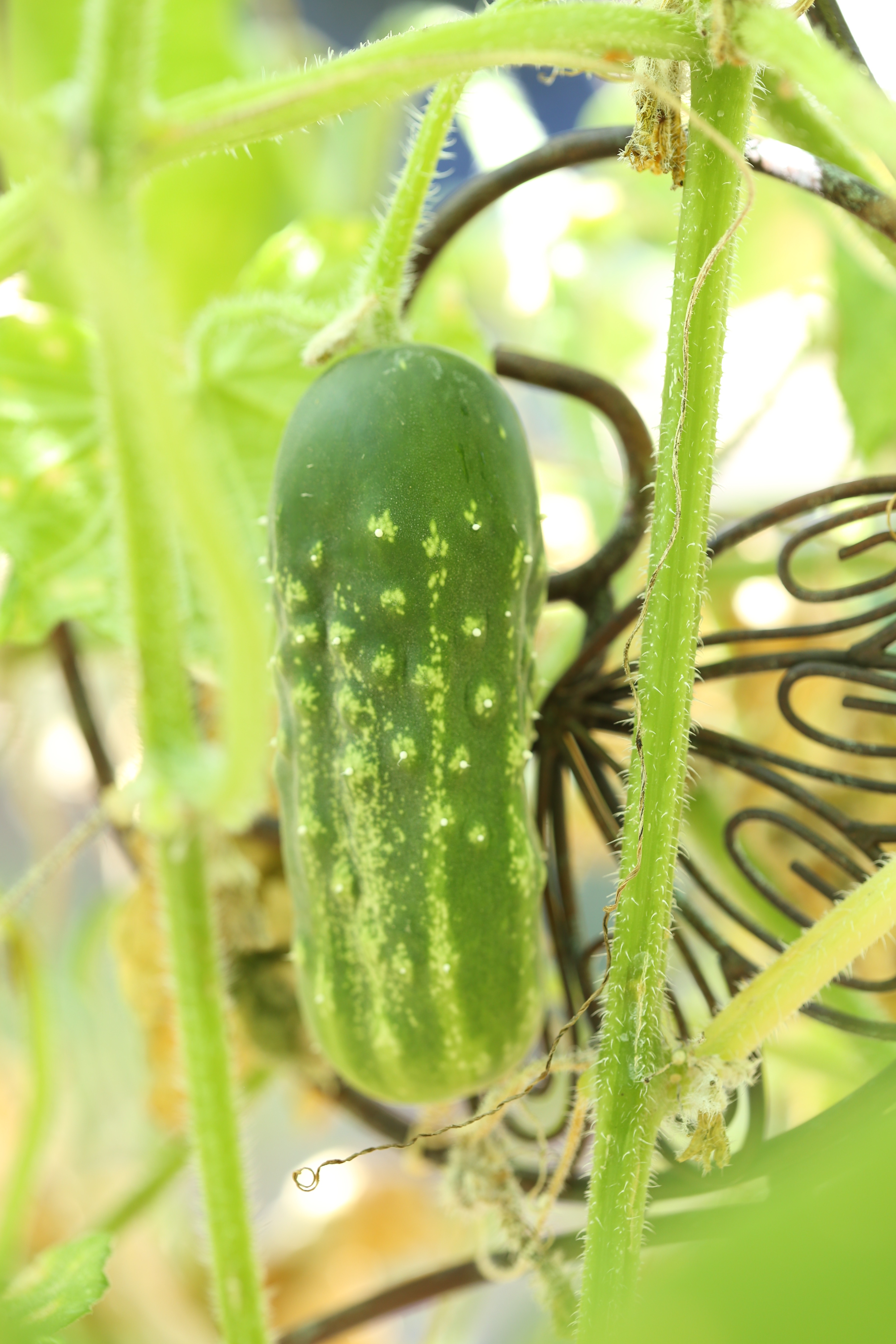 Gardeners have preferences when it comes to the plants chosen each season and I am no different than most. In my flower beds, I always include a mix of herbs and edible flowers as well as those that will attract beneficial insects and help repel the destructive ones. My vegetable garden follows the same plan and tucked in between the crops are many of those same herbs and flowers. Companion planting is another of my strategies in the garden but honestly, I haven’t seen a huge improvement by following the does and the don’ts of plant location.
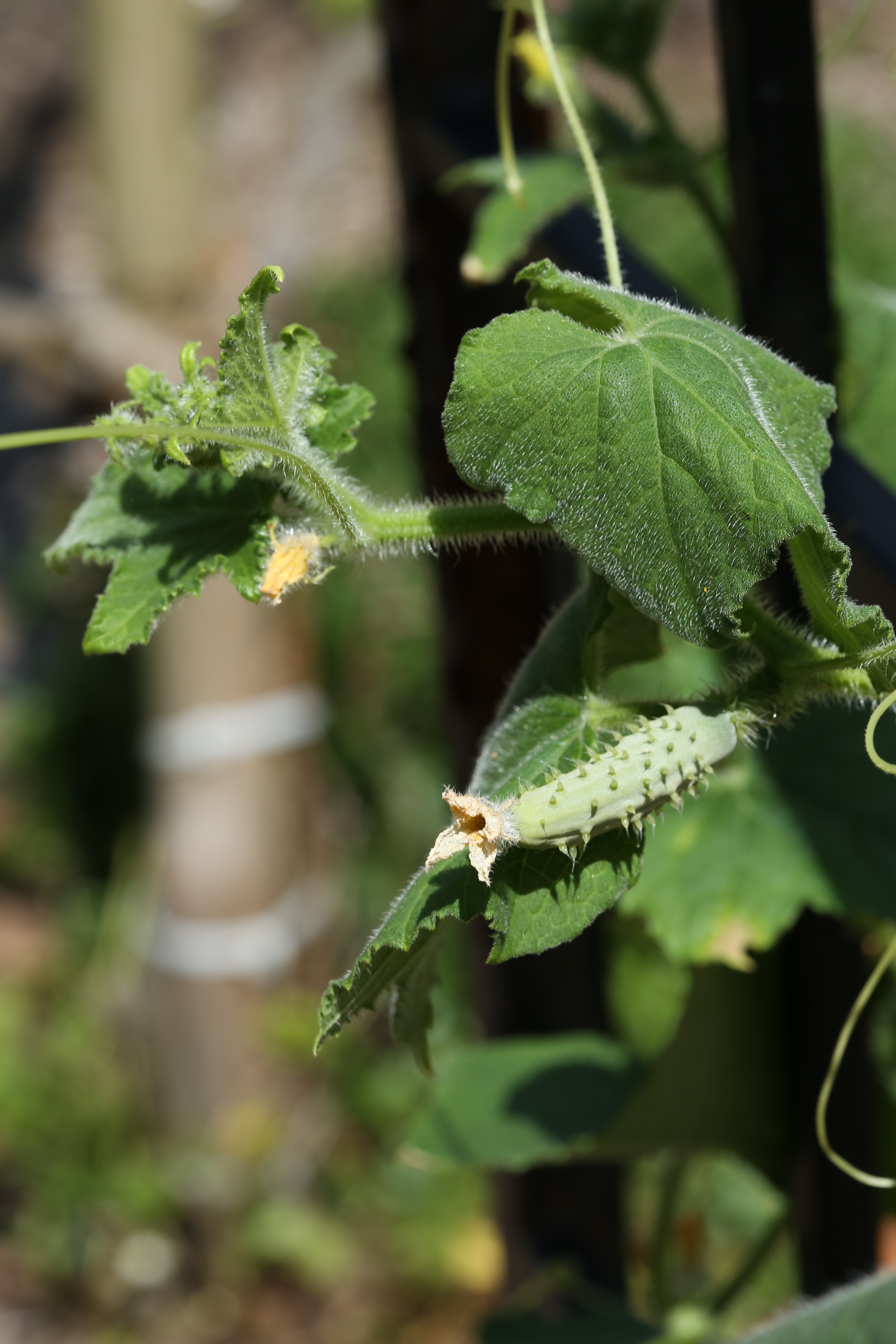 The previous photo is a Homemade Pickle and this one is Marketmore #76. In the past, Marketmore #76 has been a great producer, this year, not so much. My thoughts are that the weather has affected the yield but more importantly, I think the soil is still lacking. If you have been following this blog, you are aware that we started this garden from the ground up two years ago and this is the first year that we are planting in the ground. Lots of layering with materials such as compost, leaves, coffee, chicken litter from our hens and eggshells has greatly improved the structure but I think it needs to be amended further and turned as well as given a season off to let the nitrogen levels fix.
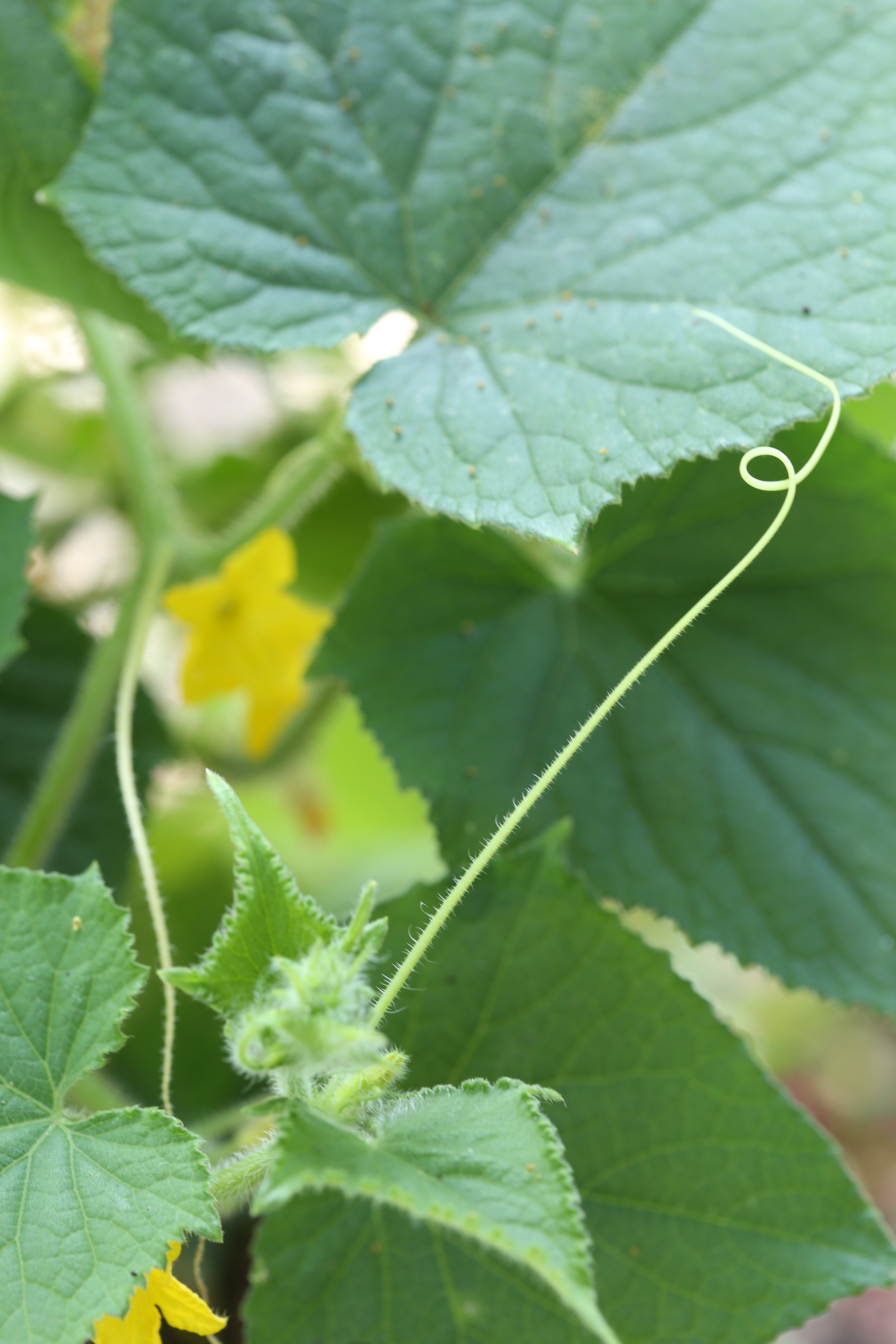 The tendrils are amazingly strong and these plants would sprawl out all over if I give them a chance.
 For my first batch, I peeled, seeded and pureed some cukes. The pale green liquid was added to a hard roll recipe and the dough was shaped into batards. My thought was to keep it simple and I added a few dill seeds to the mix.
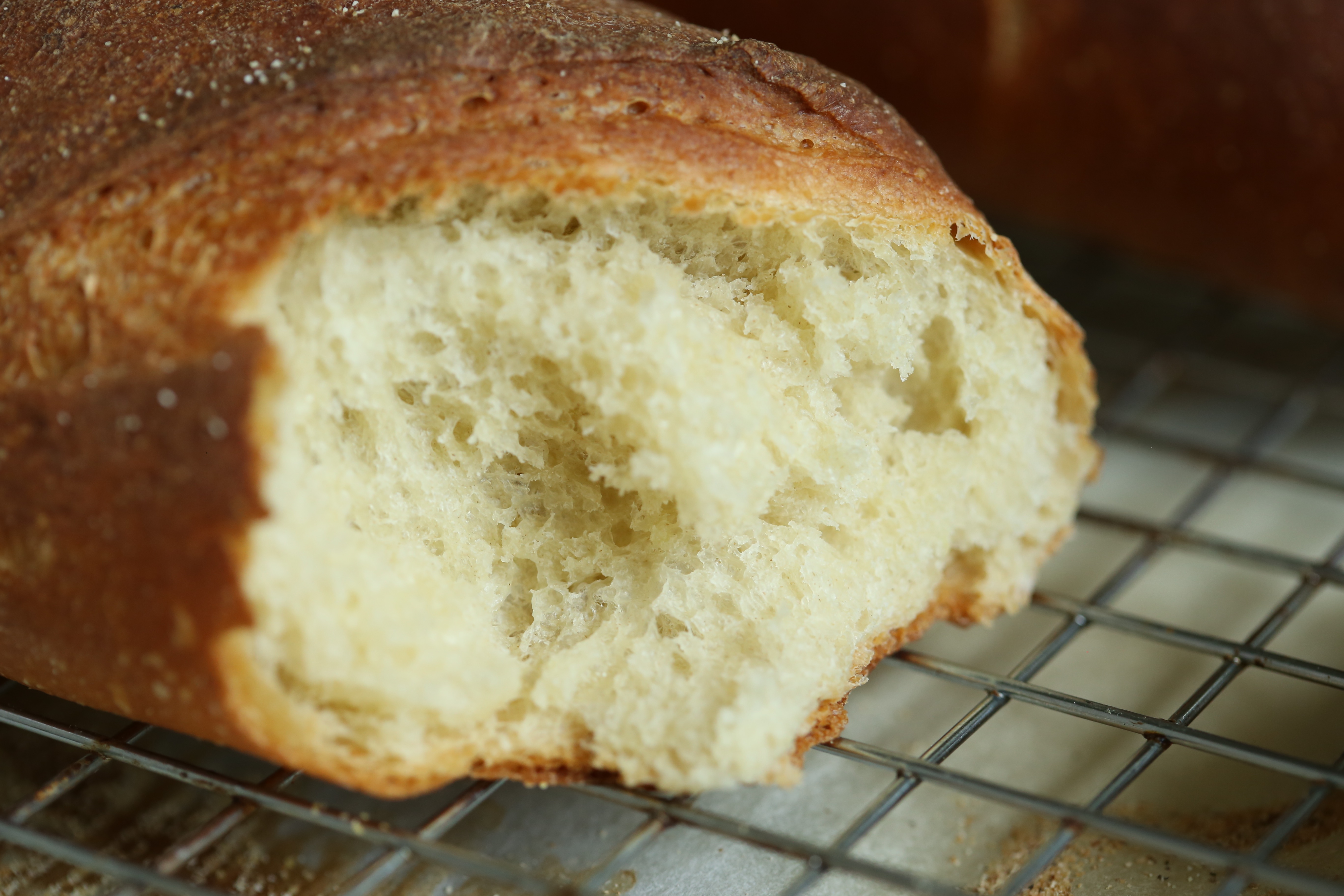 Once baked, it was nearly impossible to see that the cucumbers had an effect on the dough. The interior of the loaf is nearly white and the crumb is a tiny bit compact. Not the results I was hoping for but still a good loaf of bread.
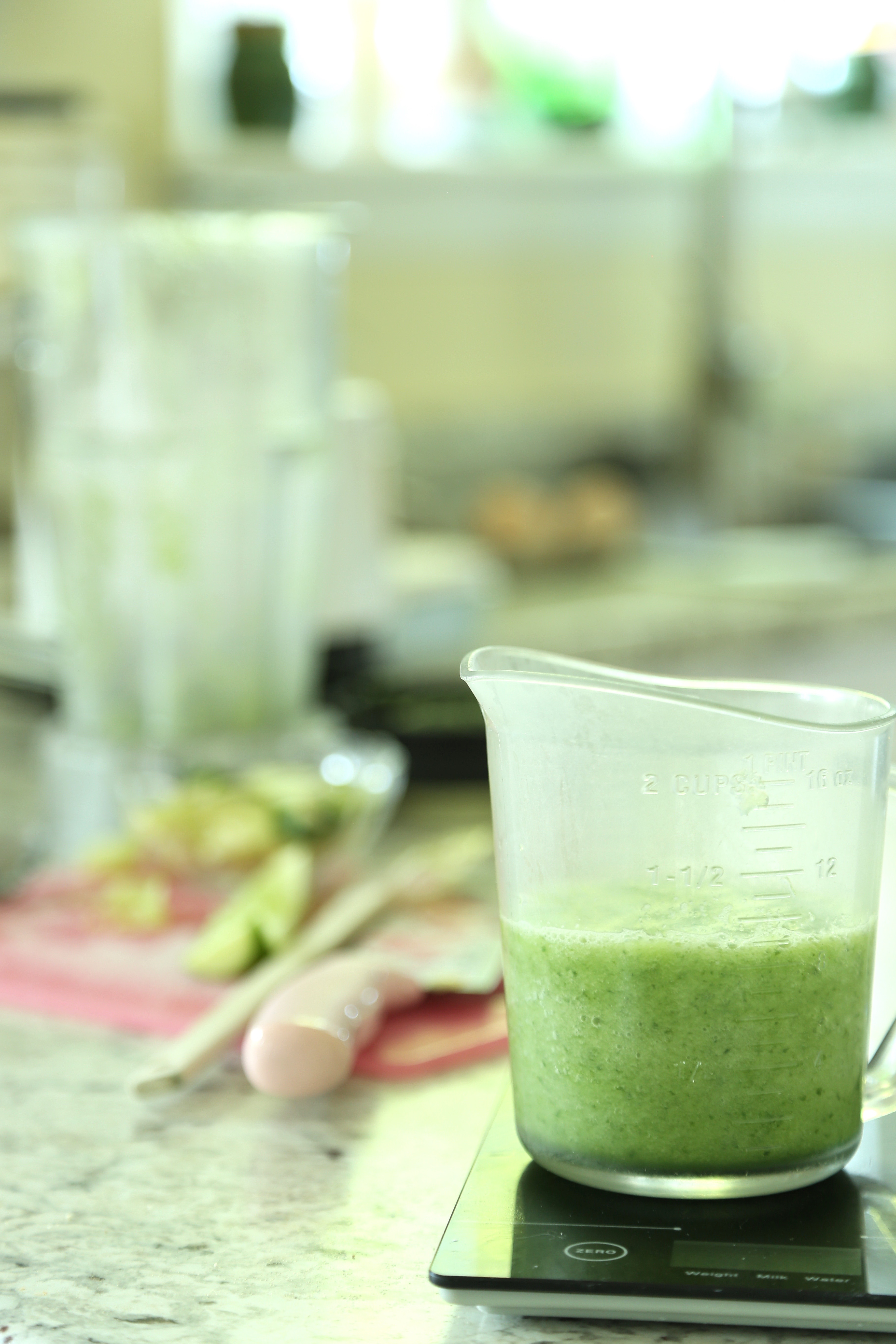 After giving it some thought. I started a second batch of dough using a different recipe. For this batch, I left the skin on the cukes but removed the seeds before pureeing. The liquid was a much darker shade of green and had little flecks of skin in it. For the dough itself, I settled on a recipe that used a Poolish style starter to develop more flavor in the dough. After letting the flour, water and yeast mixture age overnight, I mixed the dough using a method that does not include kneading the dough.
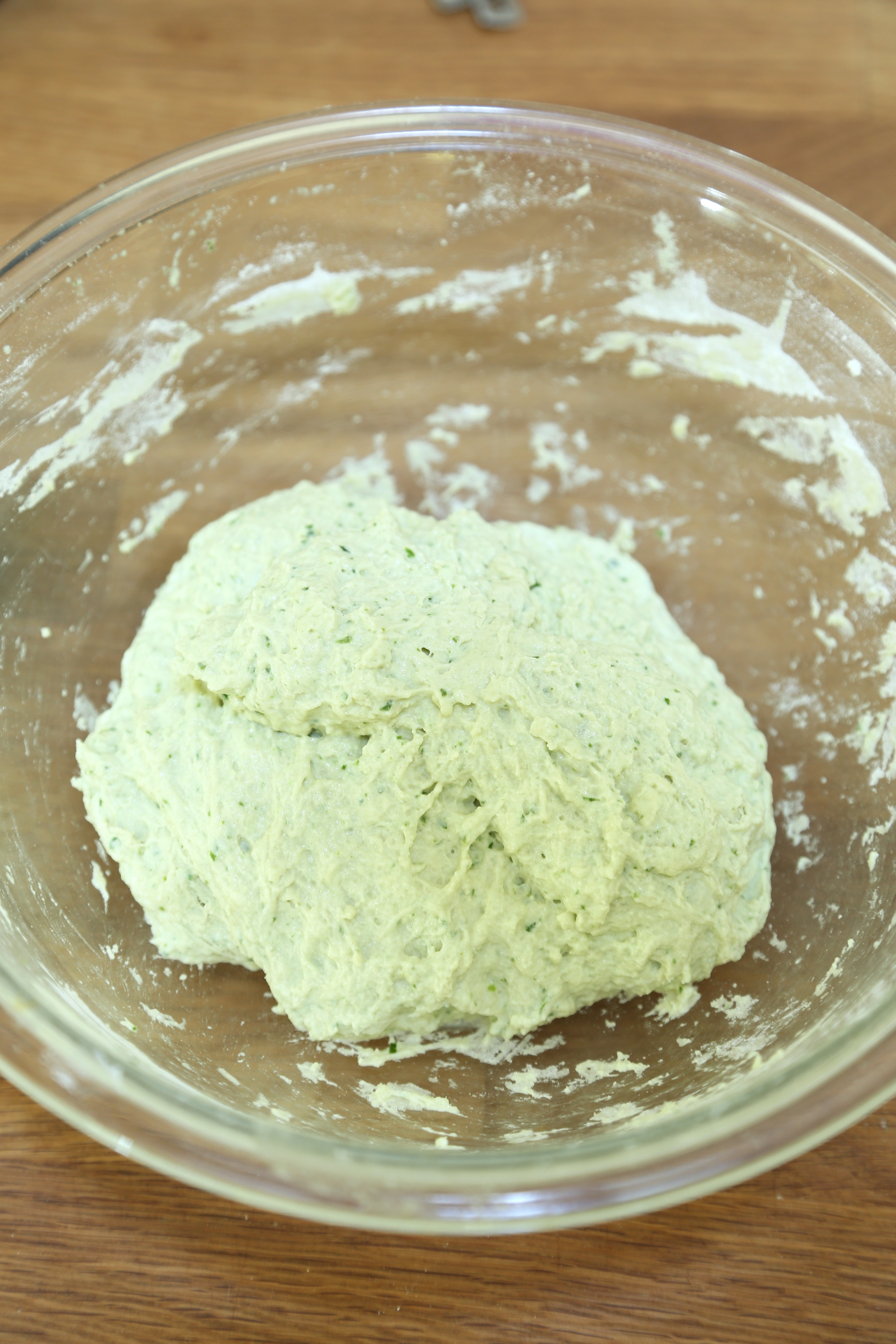 As you can see, the inclusion of skin gave the dough a good amount of green color. The little flecks of skin provide some visual interest and a little texture, as well.
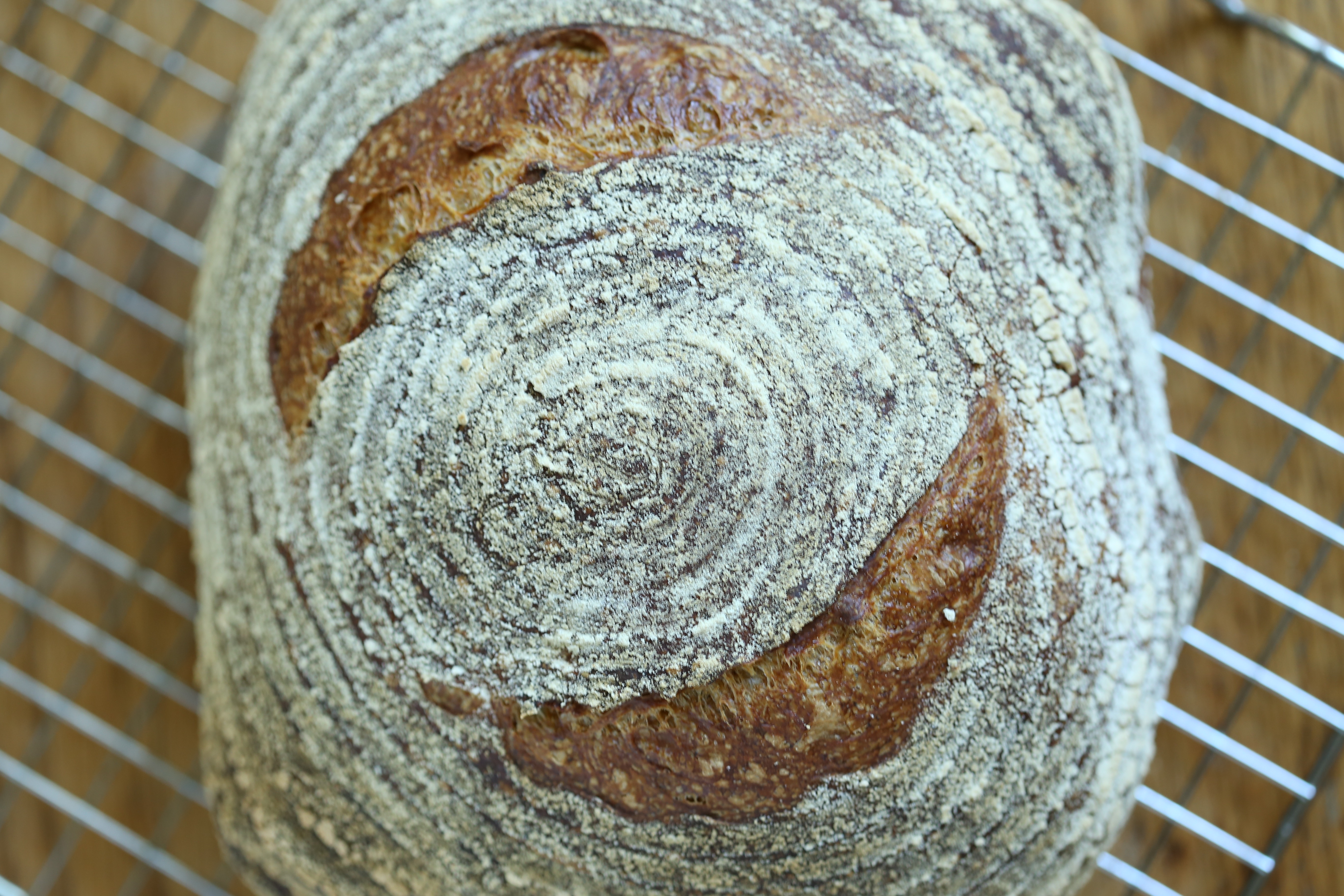 Using a lovely little banneton mold that my husband gave me, I was able to give the loaf a nice spiral pattern on the surface.
 As you can see, the interior has a tint of green to it and a few green specks here and there. The crust baked up crisply and it tasted wonderful while still a little warm. The problem, it just didn’t taste like cucumber, at least not while it was warm. Once the loaf cooled and sat for several hours, the flavor of caramelized flour and dough from the crust of the bread was no longer the predominant flavor. The subtle, earthy and almost sweet, flavor of the cucumbers was fairly obvious.
 will garden for cake